





The Gold Standard: Why Dairy Dominates
For decades, whey protein, a byproduct of cheesemaking, has been the go-to supplement for post-workout recovery. Its reputation is well-earned. Dairy proteins like whey and casein are considered 'complete' proteins, meaning they contain all nine essential
amino acids that our bodies cannot produce on their own. More importantly, whey is particularly rich in branched-chain amino acids (BCAAs), especially leucine. Leucine is the star player, acting as a crucial trigger for muscle protein synthesis—the process of repairing and rebuilding muscle fibres after exercise. With its rapid absorption rate, whey delivers these essential building blocks to your muscles quickly, making it highly efficient for recovery.
The Plant Protein Puzzle
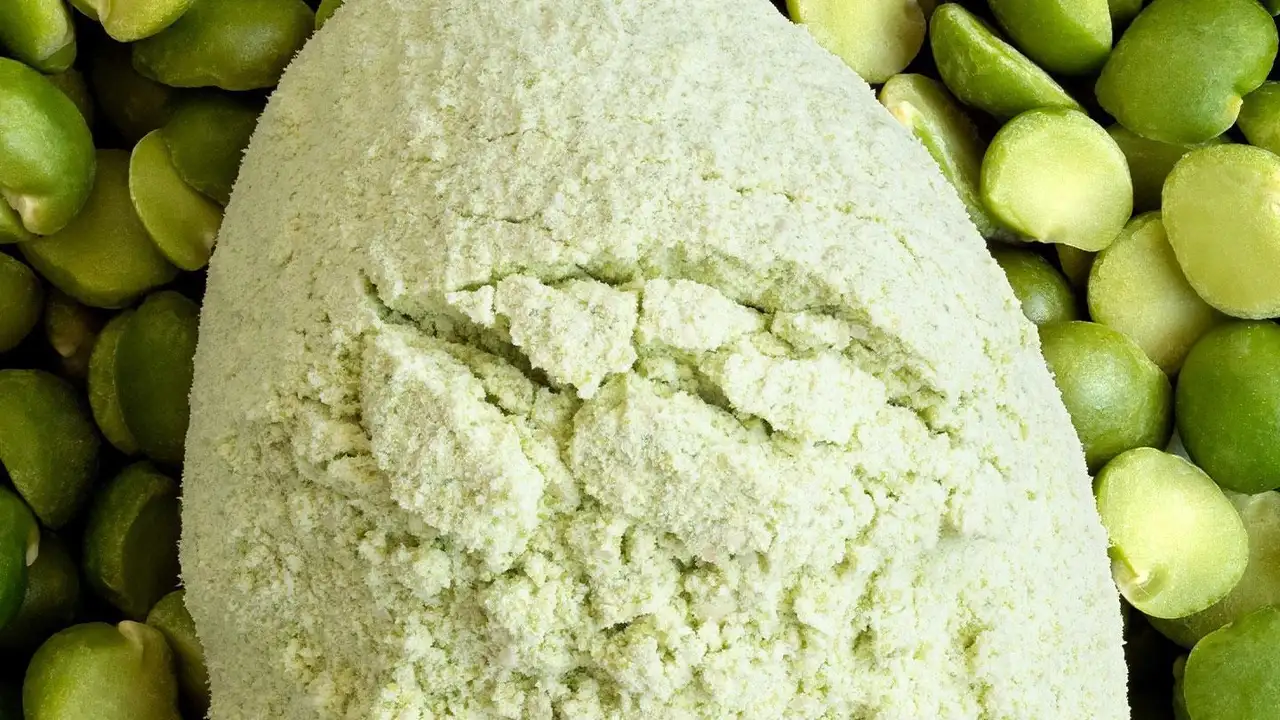
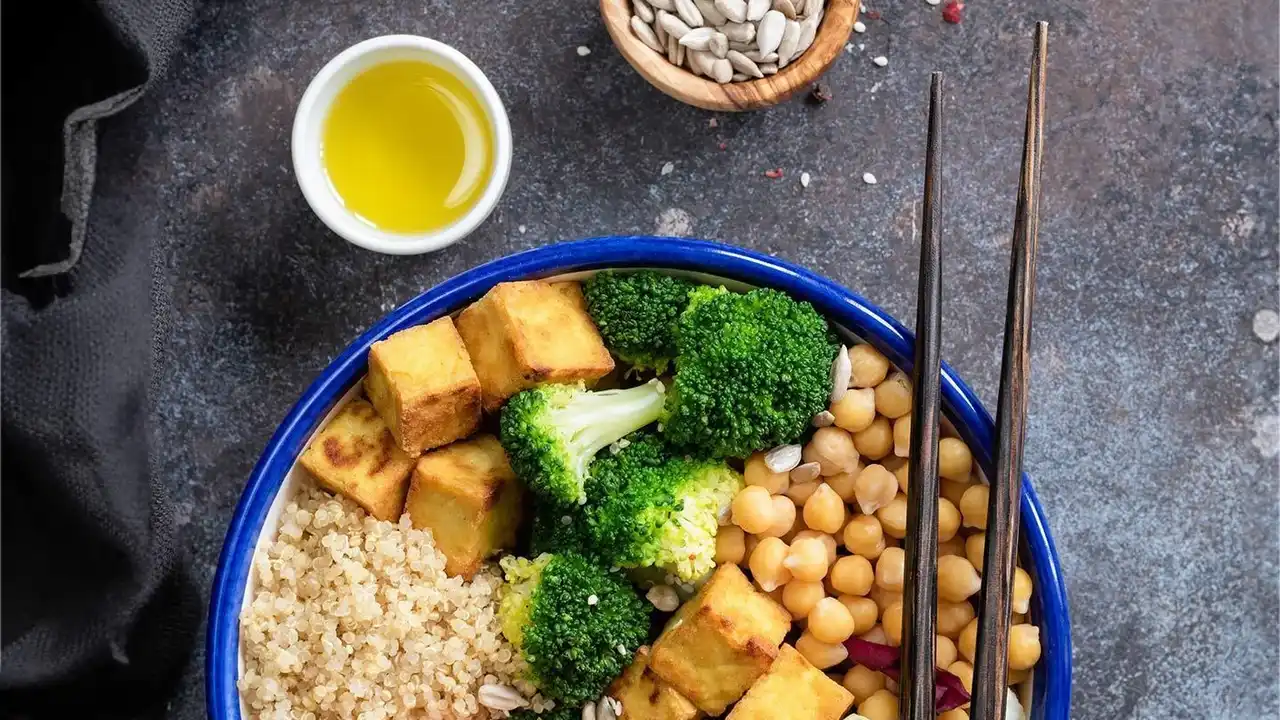
On their own, most individual plant proteins present a challenge. While sources like soy, pea, and rice are excellent, they are often 'incomplete' or have a lower concentration of certain essential amino acids. For example, pea protein is a fantastic source of most amino acids but is lower in methionine. Rice protein, on the other hand, is low in lysine but has sufficient methionine. This is why a single-source plant protein might not stimulate muscle repair as robustly as a scoop of whey, which provides a perfectly balanced amino acid profile in one go. The key to unlocking the full potential of plant-based options lies not in a single source, but in a smart combination.
The Power of the Blend
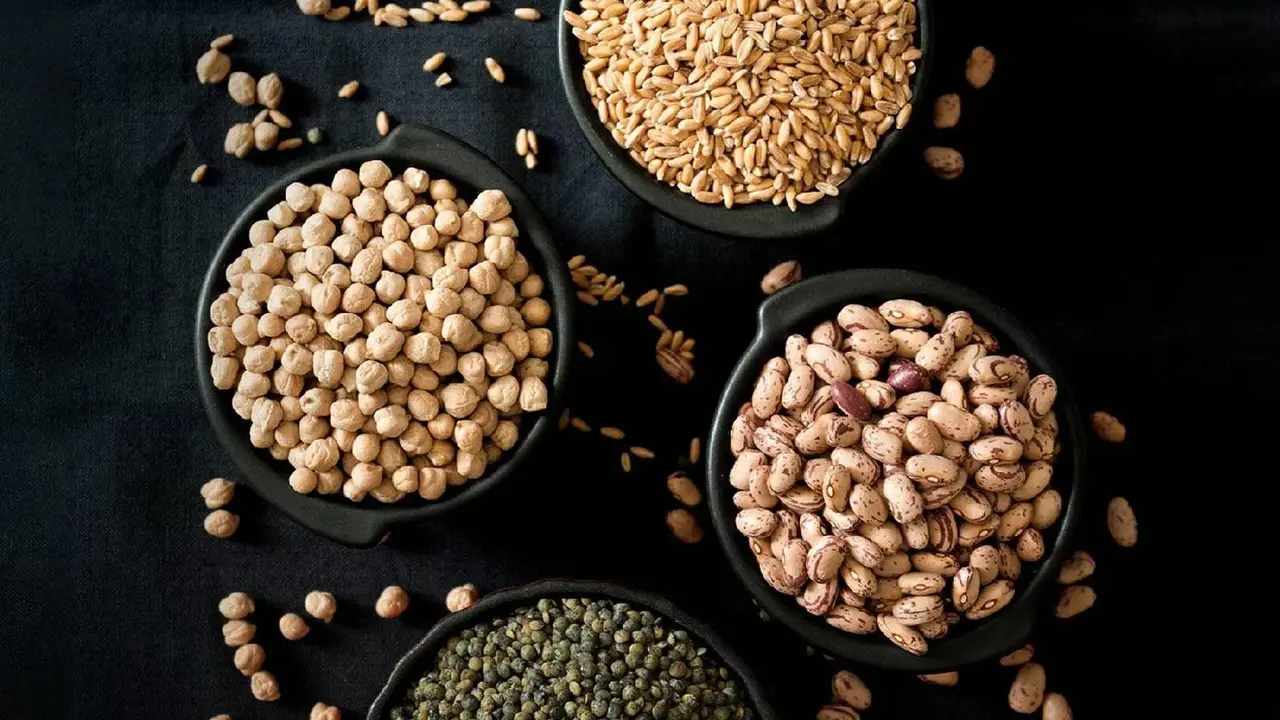
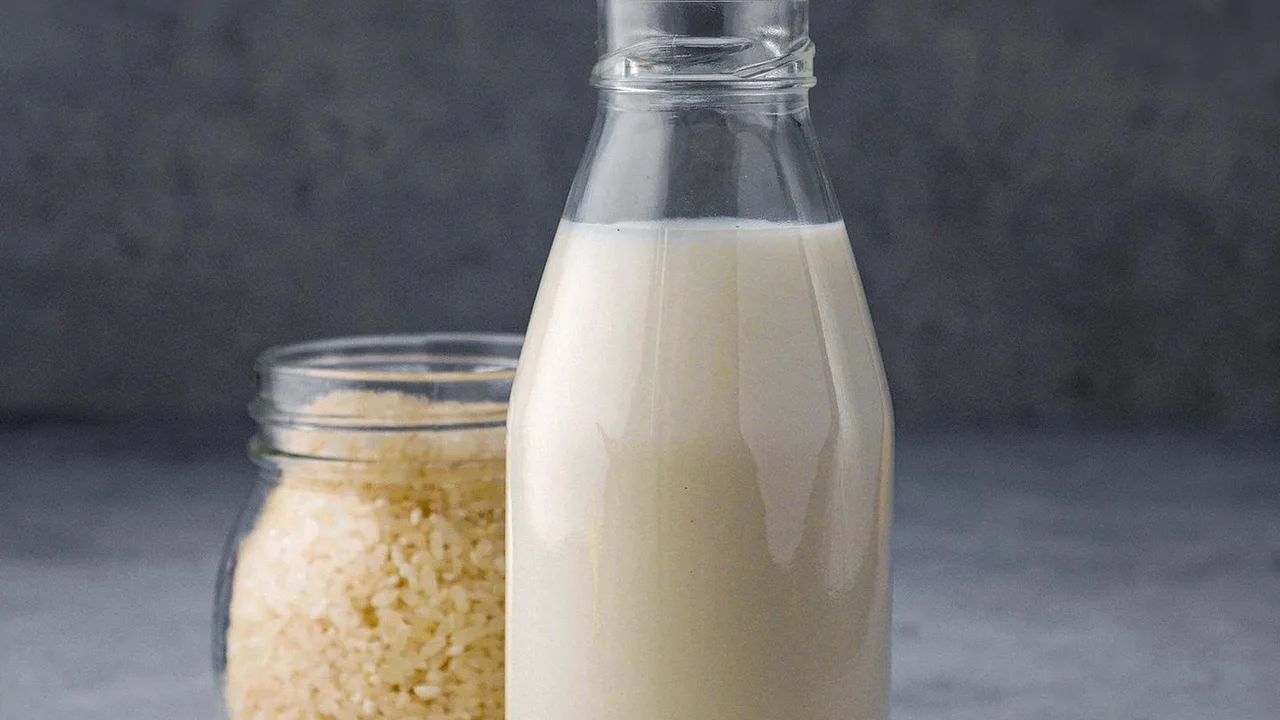
This is where plant-based protein blends come into the picture, changing the game entirely. By combining complementary protein sources, manufacturers can create a final product with a complete and robust amino acid profile that rivals dairy. A classic and effective combination is pea and brown rice protein. The pea protein provides the lysine that rice protein lacks, while the rice protein provides the methionine that pea protein is lower in. The result is a full-spectrum amino acid profile capable of effectively supporting muscle repair and growth. Recent research confirms that well-formulated blends of plant proteins can indeed provide all the necessary building blocks for muscle recovery.
What the Science Says: Levelling the Playing Field
So, do these blends work as efficiently as whey? A growing body of scientific evidence suggests they do. Several studies have directly compared the effects of whey protein against plant-based protein blends (like pea and rice) for muscle growth, strength, and recovery. The findings are compelling: when matched for protein content and a sufficient leucine level, there are often no significant differences in outcomes between the groups. One study published in Medicine & Science in Sports & Exercise found no difference in protein absorption or muscle protein synthesis between participants who consumed whey versus those who had a plant-protein blend after a workout. The consensus is that as long as total daily protein intake is adequate and the protein source provides enough leucine (around 2.5 grams per serving), plant-based blends can be just as effective as whey for building muscle.
Beyond the Muscle: Other Considerations
Choosing a protein powder isn't just about muscle synthesis. For many, digestive comfort is a major factor. Whey protein contains lactose, which can cause bloating and discomfort for individuals with sensitivity or intolerance. Plant-based proteins are naturally dairy-free and are often rich in fibre, which can support gut health. Furthermore, plant-based proteins generally have a smaller environmental footprint, making them a more sustainable choice for eco-conscious consumers. These factors, combined with their proven effectiveness, make plant protein blends a highly attractive option for a broad range of fitness enthusiasts.