


The New Blueprint for Travel
There's a tangible shift in how Indians are choosing to explore their own country. According to the recently launched India Culture Travel Index by Skyscanner, a staggering 84% of travellers say their interest in domestic cultural travel has grown in recent years.
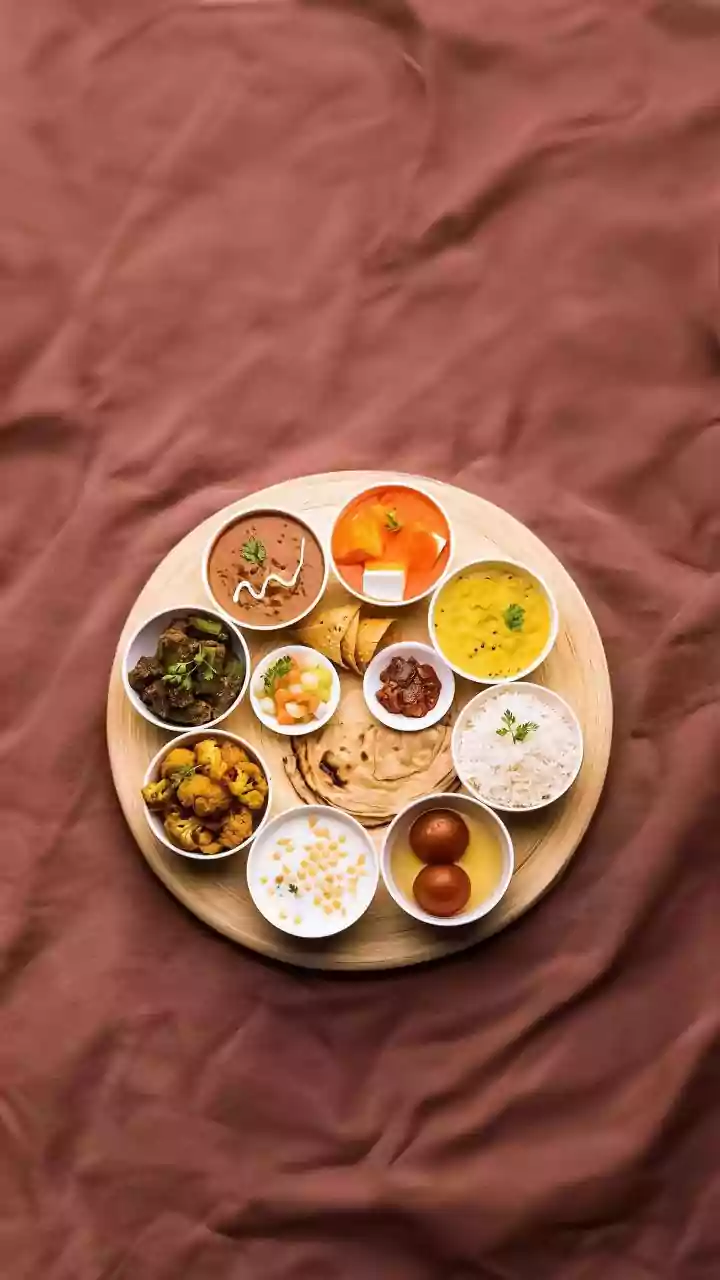
The report, unveiled in July 2026, highlights that culture is no longer an afterthought but the primary driver for planning a trip. Instead of picking a place and then discovering its culture, travellers are now starting with the experience they want—be it a festival, a culinary trail, or a heritage walk—and then choosing the destination. This ‘Culture Travel Index’ isn't just a report; it's a reflection of a new travel mindset that values authentic connection over a simple checklist of sights.
Heritage and Festivals Take the Lead
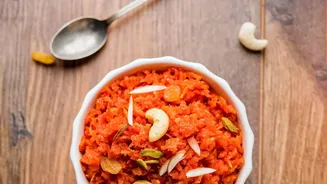
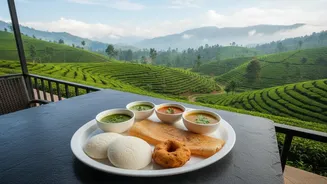
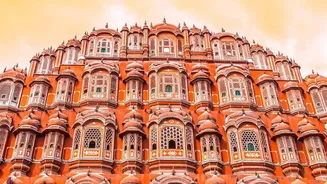
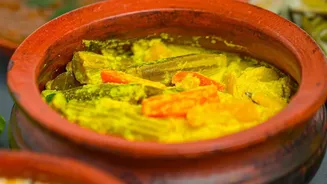
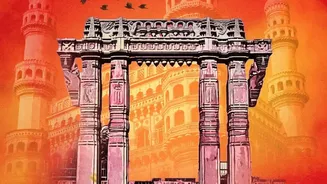
The desire for deeper connection is clear: 67% of Indian travellers now plan their holidays around heritage, festivals, and food. Heritage sites are the strongest single motivator, with 47% of people planning trips specifically to visit historical monuments and communities. But it's not just about static buildings. Festival tourism is booming, with 72% of travellers willing to plan a holiday to attend a major cultural or religious event like Durga Puja in Kolkata or Ganesh Chaturthi in Maharashtra. This indicates a move towards experiencing 'living heritage'—culture as it is practiced today. States like Kerala, Rajasthan, and Uttarakhand are seeing increased interest as they offer a rich blend of architectural marvels and vibrant, living traditions.
Beyond the Golden Triangle
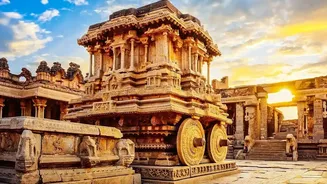
While iconic routes like the Golden Triangle (Delhi, Agra, Jaipur) remain popular introductions to India, the culturally curious traveller is pushing further. The Skyscanner report notes that one in four Indian travellers are now heading to Tier 2 and Tier 3 towns for more niche cultural experiences, moving beyond the usual metropolitan circuit. This decentralisation of tourism opens up a world of possibilities. Think of exploring the ancient Hindu temple architecture in Aihole and Pattadakal in Karnataka, discovering the serene satras (Hindu monasteries) of Majuli island in Assam, or witnessing the otherworldly Theyyam rituals in the villages of northern Kerala. These off-the-beaten-path destinations offer a chance to escape the crowds and engage with local life in a more meaningful way.
How to Plan for a Deeper Connection
Maximising your own 'Culture Travel Index' score requires intentional planning. According to the data, many travellers are already doing this, with 40% planning their culture-focused trips three to six months in advance. Start by identifying your interests. Is it food, textiles, spiritual practices, or folk art? Use that as your keyword for research. Social media and YouTube are major drivers for this new wave of travel, helping people discover unique food trails and craft workshops. Look for homestays or locally-guided tours, as they provide insights that are rarely found in a generic hotel or large tour group. Engaging a local guide can transform a trip from sightseeing to storytelling, offering personal anecdotes and bridging cultural gaps.
The Reward Is in the Experience
Ultimately, travelling for culture is about prioritising experiences over simple observation. It’s the difference between seeing the Taj Mahal and also spending time in a nearby village to understand the legacy of its artisans. It’s about not just eating at a popular restaurant, but taking a cooking class to understand the story behind the regional cuisine. This approach to travel doesn't necessarily mean spending more money, but it does require investing more time in research and being open to discovery. By slowing down and engaging with the living, breathing culture of a place, you move beyond being a tourist and become part of its story, even if just for a few days.