






A Frontier Called Bioastronautics
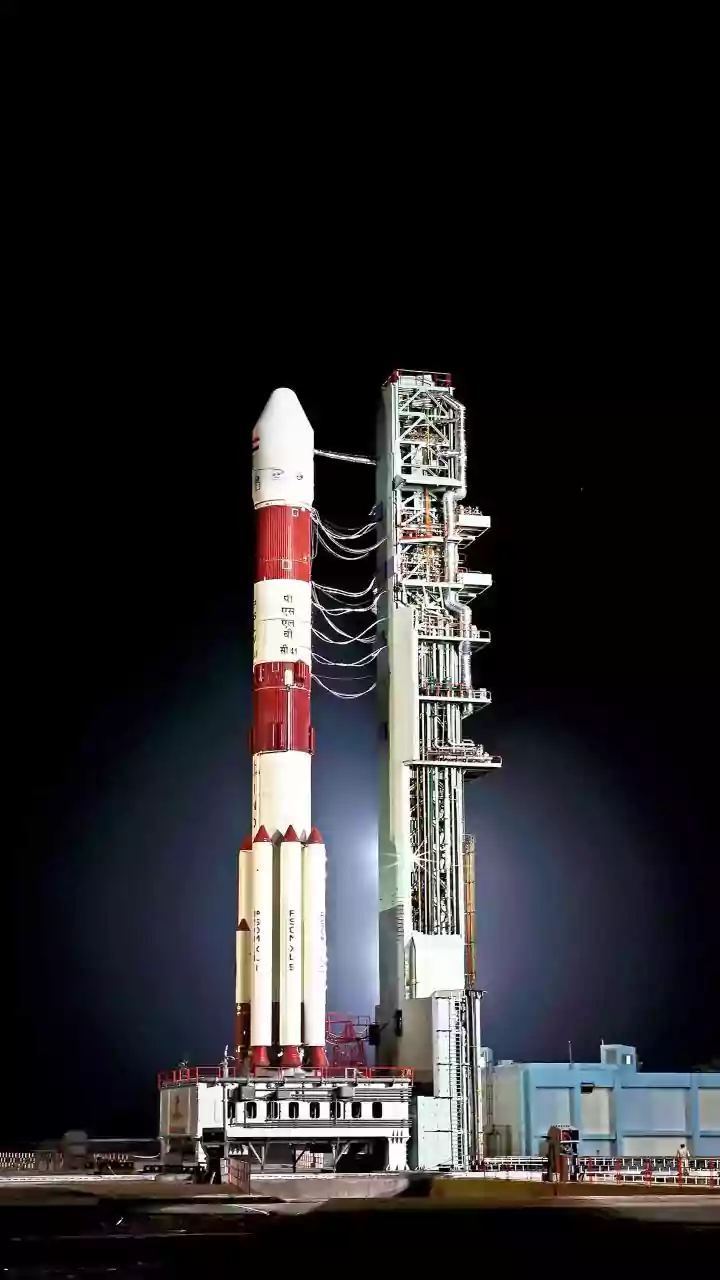
Before diving into the career path, let's clarify the field. Bioastronautics is the specialized study of how space travel affects living organisms, including humans. As India's Gaganyaan human spaceflight programme progresses, this field is no longer
a theoretical pursuit but a critical necessity. Researchers in bioastronautics tackle pressing questions: How do microgravity and cosmic radiation impact human physiology? What medical technologies and life support systems are needed to keep astronauts safe and healthy during long missions?. Answering these questions is fundamental to the success and safety of future Indian astronauts.
The Old Model vs. The New Need
Traditionally, Indian scientists seeking to specialize in such a niche, advanced field often had limited options domestically. The most prestigious post-doctoral research opportunities were concentrated in established space-faring nations like the United States and Russia. This led to a familiar 'brain drain' scenario, where India’s brightest minds contributed their expertise to the space programs of other countries. However, with the formal establishment of the Gaganyaan programme, the need to develop this expertise within India has become urgent. The goal is to build a self-reliant ecosystem that can support not just one-off missions but a sustained human spaceflight program.
India's First Bioastronautics Fellowship
The headline-making development is a direct response to this need. In a landmark collaboration, the Indian Space Research Organisation’s (ISRO) Human Space Flight Centre (HSFC) and the Sree Chitra Tirunal Institute for Medical Sciences and Technology (SCTIMST) in Thiruvananthapuram have launched the nation's first Postdoctoral Fellowship (PDF) Programme in Bioastronautics. An agreement for this was signed in June 2026, with the first intake of two fellows scheduled for the July 2026 academic session. This initiative formalizes a pathway for medical postgraduates and PhD holders to build a specialized career in space medicine right here in India, directly supporting national ambitions.
Cultivating a Local Science Hub
This fellowship is more than just a training program; it is a seed for localized career growth. By establishing it at SCTIMST in Thiruvananthapuram, ISRO is fostering a hub of expertise outside of its traditional centers. This localization has a cascading effect. It strengthens the academic and research profile of the host institution and city, attracting more talent and funding. The collaboration was cemented with the opening of a 'Center for Space Medicine Research' at SCTIMST in late 2025, creating a dedicated facility for this joint work. This creates a powerful feedback loop: the national space program feeds the local institution with challenges and resources, and the institution, in turn, provides the specialized knowledge and trained personnel required for the missions.
Broader Economic and Scientific Impact
The benefits extend beyond the labs. Developing a localized hub for a high-tech field like bioastronautics can spur regional economic development. It creates demand for support services, ancillary technologies, and a skilled local workforce. Furthermore, it inspires a new generation of students in the region to pursue careers in science and technology. As India plans for more complex missions, like building its own space station, the need for domestic experts in fields like space medicine will only grow. This post-doctoral route is a foundational step, ensuring that as India's presence in space expands, the opportunities for its scientists to lead that expansion from home grow along with it, creating a robust and self-sustaining national capability.