

From 'Want' to 'Need': The Functional Mindset
The traditional approach to shopping often starts with a desire—a trendy colour, a specific item seen on an influencer, or the lure of a sale. This leads to a collection of individual pieces that don't necessarily work together. A functional approach flips
the script. Instead of asking, “What do I want to buy?” it asks, “What is my wardrobe preventing me from doing?” This simple question reframes shopping as problem-solving. It’s a strategic move away from accumulating clothes and toward building a cohesive system of dressing that serves your actual life. The goal is to fill genuine gaps, ensuring every new item has a clear purpose and integrates with what you already own.
Conducting a 'Function Audit' of Your Closet
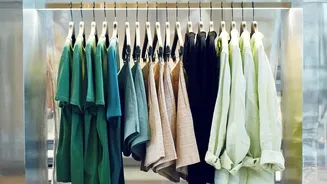
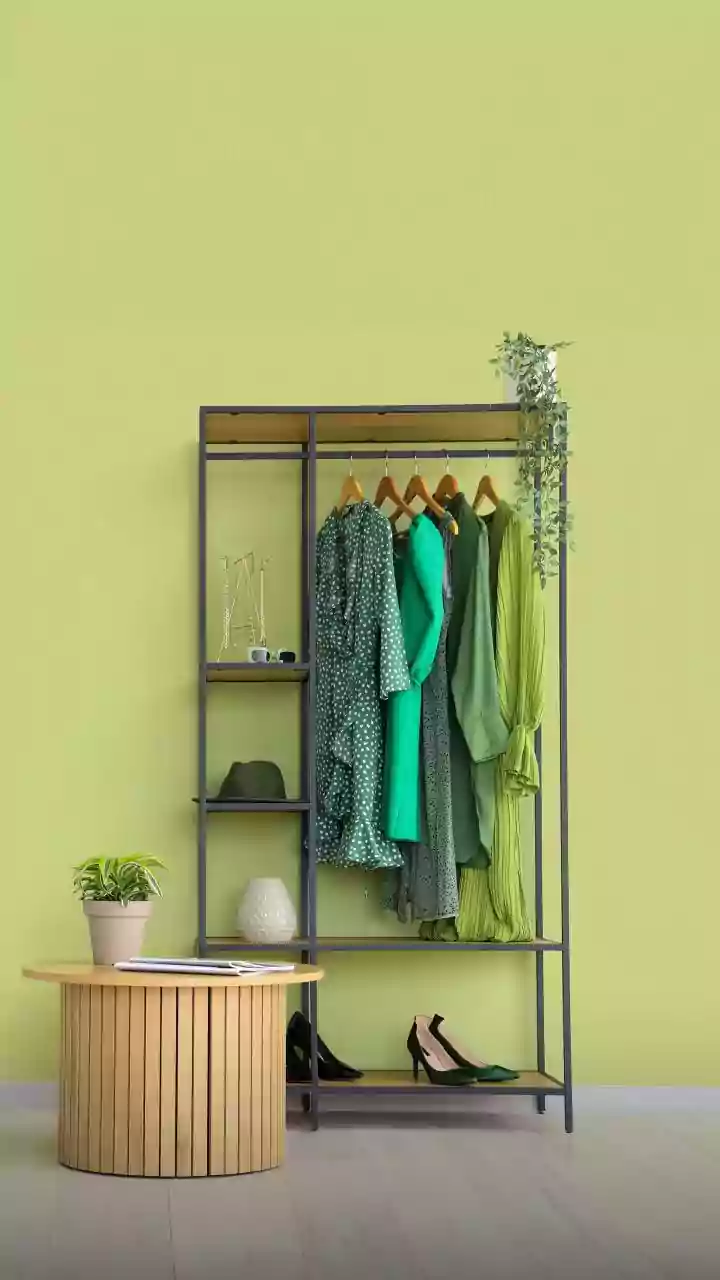
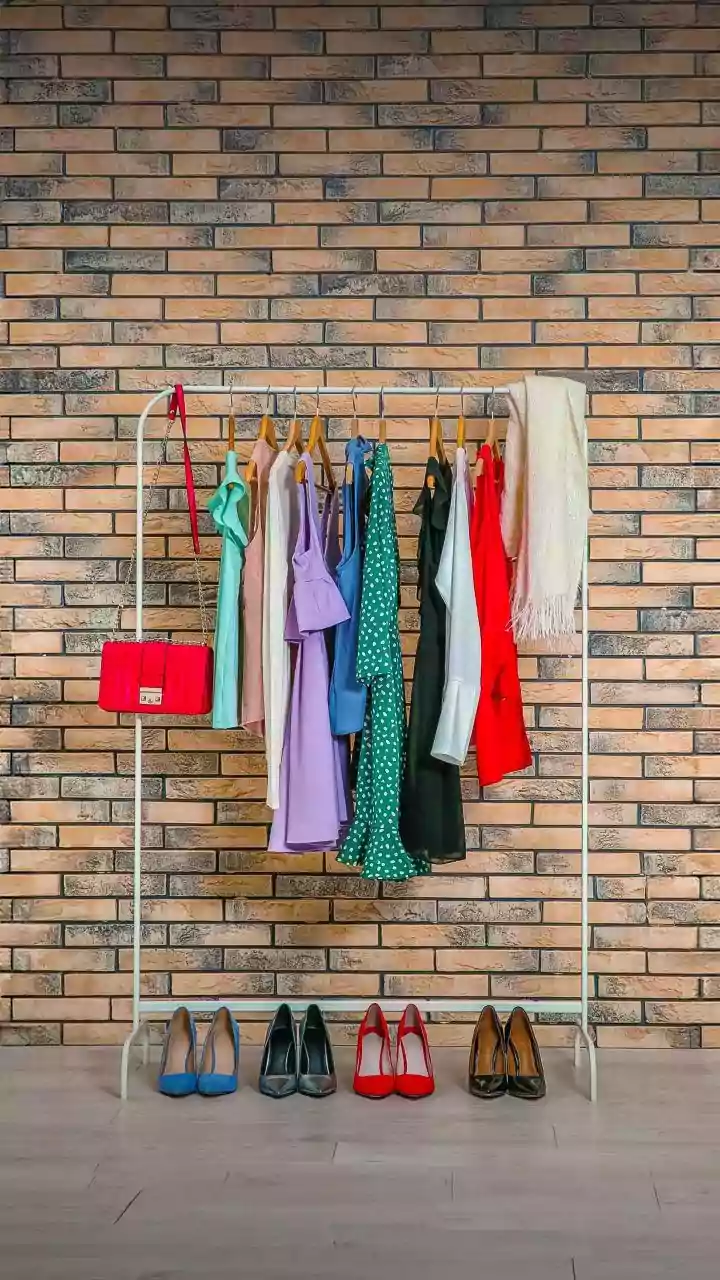
To identify missing functions, you must first understand the life you’re dressing for. Start by looking at your weekly and monthly calendar. What activities dominate your time? Do you have outfits for work, weekend errands, social dinners, and lounging at home? Pinpoint the moments you feel frustrated or underdressed. Perhaps you have plenty of formal trousers and casual jeans, but nothing for a smart-casual event. Or maybe you own many beautiful blouses, but lack the simple, high-quality tops to layer underneath jackets. These points of frustration are your functional gaps. Make a running list of these scenarios. For example: “I have nothing comfortable yet polished to wear on a long flight,” or “I need shoes I can walk in all day that still look professional.” This audit isn’t about what you lack, but about what your existing clothes can’t accomplish.
Creating Your Strategic Shopping List
Once you have your list of missing functions, you can translate them into a concrete shopping list. This is more than just “new tops”; it's about specifics. If your function gap is “needing tops for video calls,” your list item might be “a silk-blend blouse in a flattering jewel tone” or “a structured knit that isn’t a blazer.” Be specific about fabric, fit, and colour. This targeted approach prevents you from getting distracted by items that don't solve your identified problems. Personal stylists often advise clients to treat this list like a grocery list—you wouldn’t go to the store hungry without a plan, so don't approach a clothing store without knowing exactly what you need. This intentionality saves time, money, and decision fatigue.
Shopping With a Mission, Not on Impulse
With a functional shopping list in hand, you can shop with purpose. Your mission is to find the best possible solution for each gap you've identified. This means prioritising quality over quantity and being patient. A deal is only a good deal if the item on sale fills a real need. Before purchasing, ask yourself a few key questions: Does this piece solve a problem on my list? Can I style it with at least three to five items I already own? And critically, would I consider buying it at full price? If the answer is no, it’s likely an impulse buy, not a strategic addition. Shopping this way empowers you to invest in pieces that offer long-term value and versatility, rather than just adding to the clutter. The process might be slower, but the result is a wardrobe where every piece works hard for you.