





A Return to Slower, Mindful Cooking
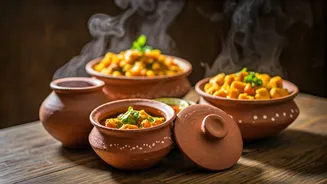
The revival of clay pot cooking is more than just a passing trend; it's a conscious shift towards a more mindful and traditional way of life. In an era dominated by the convenience of pressure cookers and non-stick pans, many are rediscovering the joy
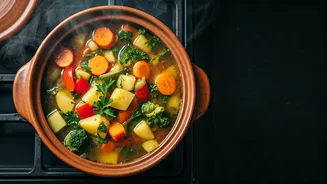
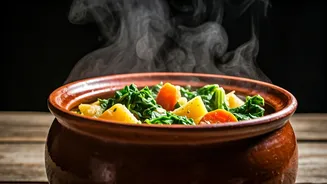
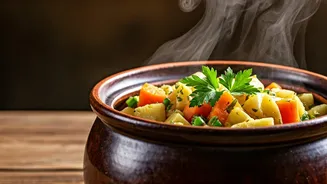
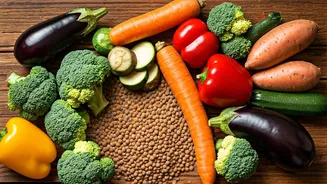
of slow cooking. This movement is driven by a growing desire for authenticity, wellness, and a deeper connection to cultural roots. Chefs and home cooks alike are embracing this ancient method, not just for nostalgia, but for the demonstrably superior results in taste and texture. The slow, gentle heat of an earthen pot allows flavours to meld and develop in a way that rapid cooking methods simply cannot replicate, turning a simple vegetable stew into a rich, aromatic experience.
The Science Behind the Flavour
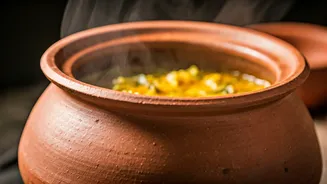
The magic of the mitti ki handi lies in its unique physical properties. Clay is naturally porous, which allows heat and moisture to circulate evenly throughout the pot. This creates a self-basting effect, keeping food moist and tender without needing to add excessive amounts of water or oil. The slow and even heat distribution prevents food from burning and ensures that vegetables are cooked uniformly. Furthermore, clay is alkaline in nature. When heated, it interacts with the acids in foods like tomatoes, neutralising their pH and lending a subtle sweetness to the dish. This not only enhances the flavour but also makes the food easier to digest.
Packed with Health Benefits
One of the most compelling reasons for the earthen pot's comeback is its array of health benefits. The slow-cooking process helps in retaining the nutrients in food, which are often lost at the high temperatures of metal pans. The porous nature of clay locks in steam and moisture, preserving vitamins and minerals. Cooking in clay pots often requires significantly less oil, thanks to the natural non-stick properties that develop over time. This helps in preparing lower-fat meals. Additionally, pure, unglazed clay pots are free from the chemical toxins and harmful metals that can leach from some modern cookware, ensuring a safer meal. Some even believe that beneficial minerals from the clay, like calcium, iron, and magnesium, can be imparted to the food during cooking.
Getting Started: Choosing and Caring for Your Pot
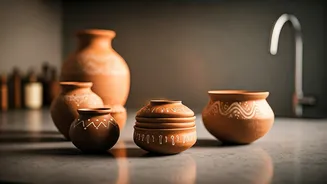
Ready to embrace this tradition? The first step is to choose an unglazed, 100% natural clay pot to ensure there are no harmful chemicals. Before its first use, seasoning the pot is crucial. This typically involves soaking the pot and lid in water for several hours, or even overnight, then letting it dry completely. Some methods also involve rubbing it with oil and heating it gently. This process strengthens the pot and prevents it from cracking. When cooking, always start with a cold oven or a low flame, gradually increasing the heat to avoid thermal shock. For cleaning, avoid using harsh detergents or soaps, as the porous clay can absorb them. A gentle scrub with hot water and baking soda is usually sufficient to clean the pot effectively.