







Why the Monsoon is a Problem for Dog Ears
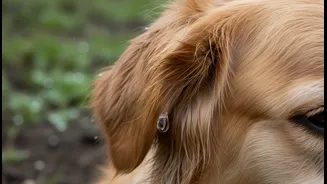
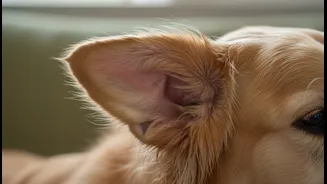
A dog's ear canal is L-shaped, a structure that can easily trap debris and moisture. During India's wet season, humidity skyrockets, creating the perfect warm, moist environment for bacteria and yeast to multiply within the ear. This is especially true
for popular breeds in India with floppy ears, like Labradors, Cocker Spaniels, and Beagles, as their ear flaps reduce air circulation, trapping moisture inside. Even a walk in the rain or playing in damp grass can introduce enough moisture to trigger an issue. This environment can lead to a common condition called otitis externa, which is an inflammation of the outer ear canal that causes significant discomfort and pain.
Warning Signs of an Ear Infection
Dogs can't tell us when their ears hurt, but they show it through their behaviour. One of the most common signs is persistent head shaking or scratching at the ears. You might also notice them rubbing their head against furniture or the floor. A key indicator of an infection is a foul or yeasty odour coming from the ear. When you look inside, the ear may appear red and swollen. There might also be a dark, waxy, or yellowish discharge. Your dog may become sensitive to touch around their head, yelp in pain, or even become uncharacteristically aggressive when their ears are handled. In more severe cases, you might notice a head tilt or a loss of balance.
Simple Steps for Prevention
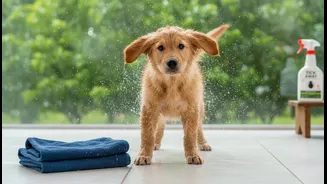
Prevention is the best strategy for avoiding monsoon-related ear troubles. The most crucial step is to keep your dog's ears dry. After walks in the rain, baths, or any activity involving water, thoroughly dry the inside of their ear flaps with a soft towel or cotton balls. Regular inspections are also key. Once a week, take a moment to look inside your dog's ears for any signs of redness, discharge, or unusual odour. For breeds with a lot of hair around the ear canal, keeping it trimmed (often best done by a professional groomer) can improve airflow and reduce moisture. Finally, if your dog is prone to allergies, managing them with your vet's guidance can reduce underlying inflammation that often leads to secondary ear infections.
How to Clean Your Dog's Ears Safely
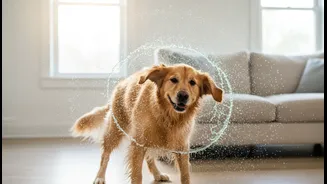
Routine cleaning can help maintain a healthy ear environment, but it's important to do it correctly. Only use a cleaning solution recommended by your veterinarian. Never use hydrogen peroxide or alcohol-based cleaners, as these can cause irritation. To clean the ear, gently hold the ear flap up to straighten the canal and fill it with the cleaning solution. Massage the base of the ear for about 20-30 seconds; you should hear a squishing sound, which means the solution is working to break up debris. After massaging, let your dog shake its head. This helps bring the debris up from deeper in the canal. Finally, use a cotton ball or gauze wrapped around your finger to gently wipe away any visible wax and debris from the outer part of the ear. Never insert cotton swabs (like Q-tips) deep into the ear canal, as this can push debris further in or damage the eardrum.
When You Must Call the Veterinarian
While preventive care helps, some infections require professional medical treatment. You should see a vet if you notice any signs of infection, especially if there's a strong odour, heavy discharge, or your dog seems to be in significant pain. Most ear infections will not resolve on their own and can worsen if left untreated, potentially leading to chronic pain or even hearing loss. If the symptoms don't improve within a day or two, or if your dog develops more serious signs like a persistent head tilt, loss of balance, or circling, it's considered an urgent situation requiring immediate veterinary attention. Your vet can properly diagnose the cause—whether it's bacteria, yeast, or something else—and prescribe the correct medicated drops to resolve the infection. It is crucial to complete the full course of treatment, even if the ear looks better, to prevent the infection from returning.