


More Than Just a Summer Market
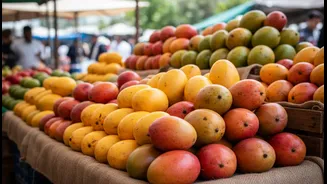
At first glance, a mango fair—or 'aam mahotsav'—is a vibrant celebration of the king of fruits. Stalls overflow with hundreds of varieties, from the world-famous Alphonso and Dasheri to rare, local heirlooms you won't find in a supermarket. But these
festivals are more than just a place to sample and shop. They represent a fundamental shift in the food supply chain. Unlike traditional channels where produce passes through multiple hands, these fairs are often a direct-to-consumer marketplace. This model allows growers to engage face-to-face with the people who eat their fruit, creating a transparent and personal transaction that benefits both sides.
A Lifeline for Small Growers
For many small-scale farmers, the traditional agricultural market system is fraught with challenges. Multiple intermediaries often absorb a large chunk of the final price, leaving growers with slim profit margins. Mango festivals offer a powerful alternative by allowing farmers to bypass these middlemen and sell their produce directly, securing better prices and retaining a larger share of their earnings. This direct interaction is invaluable; it provides immediate customer feedback and helps farmers build a reputation and a loyal customer base. By enabling growers to become entrepreneurs who control their own branding and pricing, these events serve as a crucial economic boost for rural communities.
The Urban Consumer's Reward
For city dwellers, the appeal of a mango fair extends far beyond convenience. It is an opportunity to access a staggering diversity of fruit, with some festivals showcasing over 500 varieties. This exposure helps preserve agricultural biodiversity by creating a market for traditional and heirloom mangoes that might otherwise disappear. Consumers also gain confidence from buying directly from the source. Knowing where your food comes from, how it was grown, and speaking with the farmer who grew it fosters a level of trust and transparency often missing in conventional retail. This connection transforms the simple act of buying fruit into a richer, more meaningful experience.
The Role of Collective Power
Organizing these direct-to-market events is not without its hurdles. Individual small farmers often face significant challenges, including poor transport infrastructure, a lack of cold storage facilities, and limited marketing reach. This is where Farmer Producer Organisations (FPOs) and government bodies play a crucial role. By forming organised groups, farmers can pool resources, share transportation costs, and collectively bargain for better terms. Agencies like the Agricultural and Processed Food Products Export Development Authority (APEDA) often facilitate connections between farmers and buyers, while state governments host festivals to promote their region's agricultural richness. This collaborative approach is essential for the model's success and scalability.
A Model for the Future
The success of mango fairs provides a blueprint for other agricultural products. They demonstrate that when producers and consumers are brought closer together, everyone benefits. The farmer earns a fairer livelihood, the consumer gets a high-quality product with a clear origin, and the local economy grows. These events also spur related industries, from 'mango tourism' that invites visitors to orchards, to small businesses creating value-added products like jams and pickles. This transforms a seasonal harvest into a year-round economic driver, fostering a more resilient and sustainable food system from the ground up.