






What is the Blue Flag, Anyway?
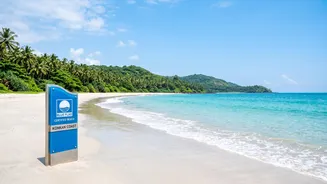
The Blue Flag is a globally recognised voluntary eco-label awarded to beaches, marinas, and sustainable tourism boats. Run by the Denmark-based Foundation for Environmental Education (FEE), it's not a prize for popularity but a testament to rigorous environmental
management. To earn the flag, a beach must meet and maintain a stringent set of 33 criteria, which is reviewed annually. This certification signals that a coastal destination is committed to balancing tourism with the highest standards of ecological preservation, offering visitors an experience that is both beautiful and responsible.
The Four Pillars of Excellence
The 33 criteria are grouped into four main categories. First is water quality, which is non-negotiable. Regular sampling must show that the water is free from industrial and sewage-related contaminants and meets 'excellent' standards for microbiological safety. Second is environmental management, which includes proper waste disposal, beach cleanliness, conservation of local ecosystems, and pollution control. The third pillar is environmental education, requiring that information about local biodiversity, water quality, and a code of conduct is clearly displayed for visitors. Finally, the safety and services category mandates the presence of lifeguards, first-aid facilities, clean drinking water, and accessibility for all visitors.
Maharashtra's Newly Certified Trio
For the 2026-27 season, Maharashtra has made its debut on the Blue Flag map, with three Konkan beaches receiving the honour. This achievement places them among India's 22 certified beaches, highlighting the state's commitment to sustainable tourism. The newly certified beaches are Ladghar and Guhagar in Ratnagiri district, and Shrivardhan in Raigad district. This recognition is expected to put the Konkan coast on the global tourism map and boost the local economy.
Guhagar: White Sands and Casuarina Groves
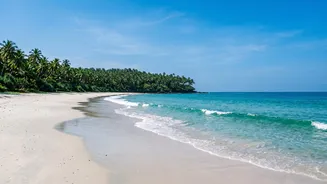
Guhagar Beach in Ratnagiri is renowned for its pristine, six-kilometre stretch of white sand lined with dense Casuarina (suru) plantations. A long-time favourite for its clean bathing waters and serene environment, its Blue Flag status now formalises its reputation. The certification confirms its low-impact tourism infrastructure and commitment to preserving the natural landscape that makes it a tranquil escape for visitors.
Ladghar: Reddish Sands and Dolphin Spotting
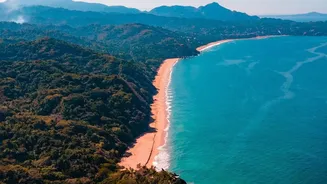
Also in Ratnagiri, near Dapoli, Ladghar Beach offers a unique spectacle. It is popularly known as 'Tamas Teertha' because of the reddish hue its sands take on during sunset. The beach is famous for its calm, shallow waters, making it ideal for swimming. It is also a hub for eco-tours, with dolphin-spotting being a major attraction. The community-managed coastal biodiversity programmes here have been crucial in meeting the stringent environmental criteria for the Blue Flag award.
Shrivardhan: A Historic and Serene Shoreline
Located in Raigad district, Shrivardhan Beach is celebrated for its peaceful, crescent-shaped shoreline and flat, safe gradient ideal for swimming. The beach's management is noted for its strong, gram panchayat-led waste segregation systems, a key component of the Blue Flag's environmental management standards. Its proximity to the historic town associated with the Maratha Peshwas adds a layer of cultural heritage to its natural beauty.