
The Joy of Minimal Cleanup
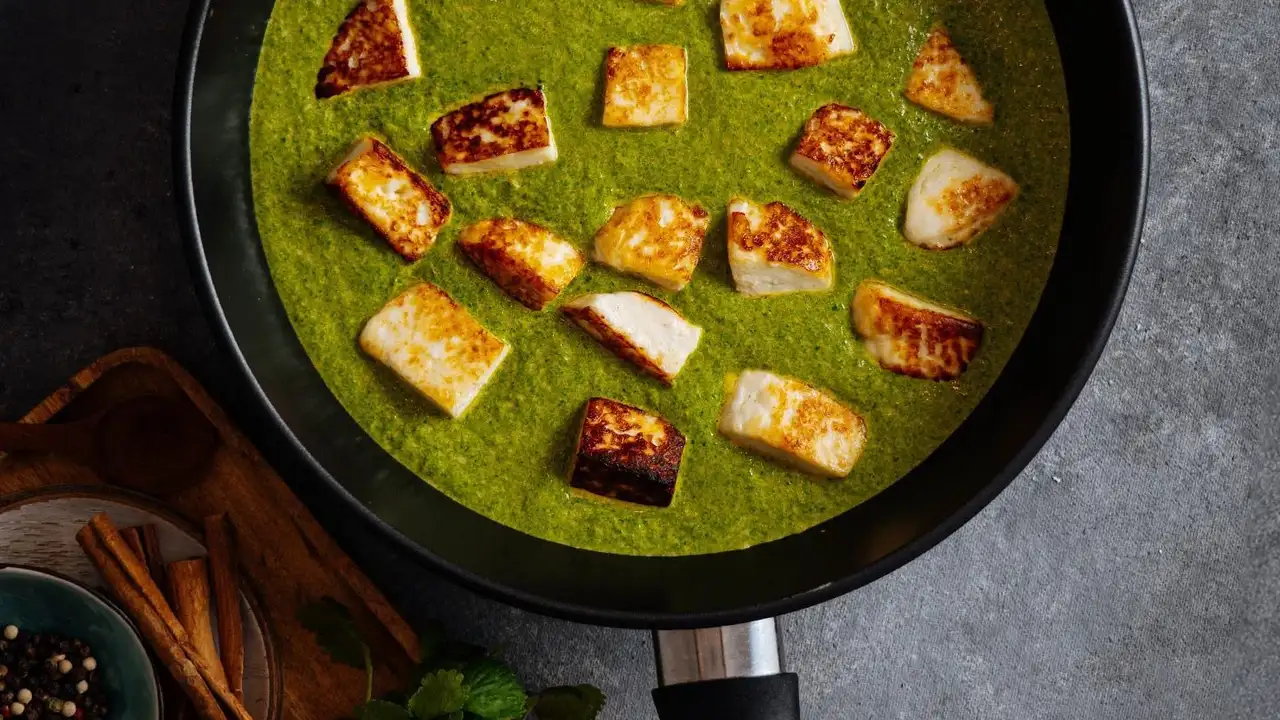
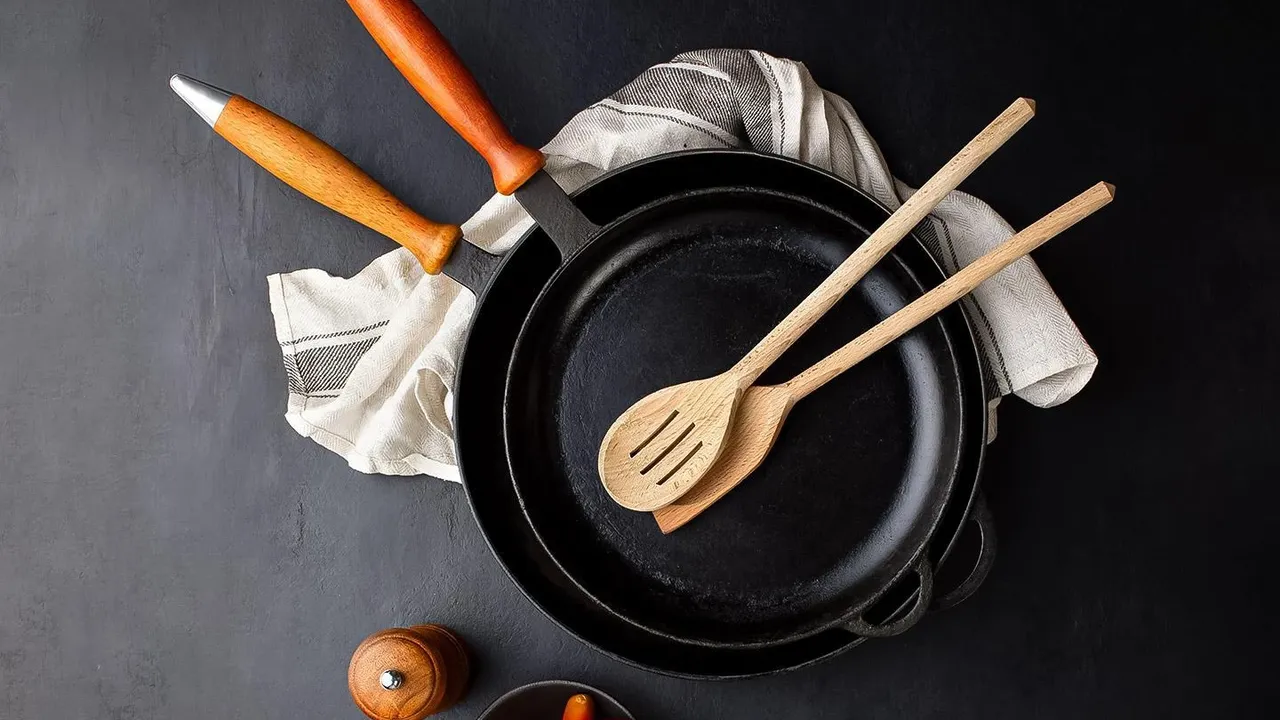
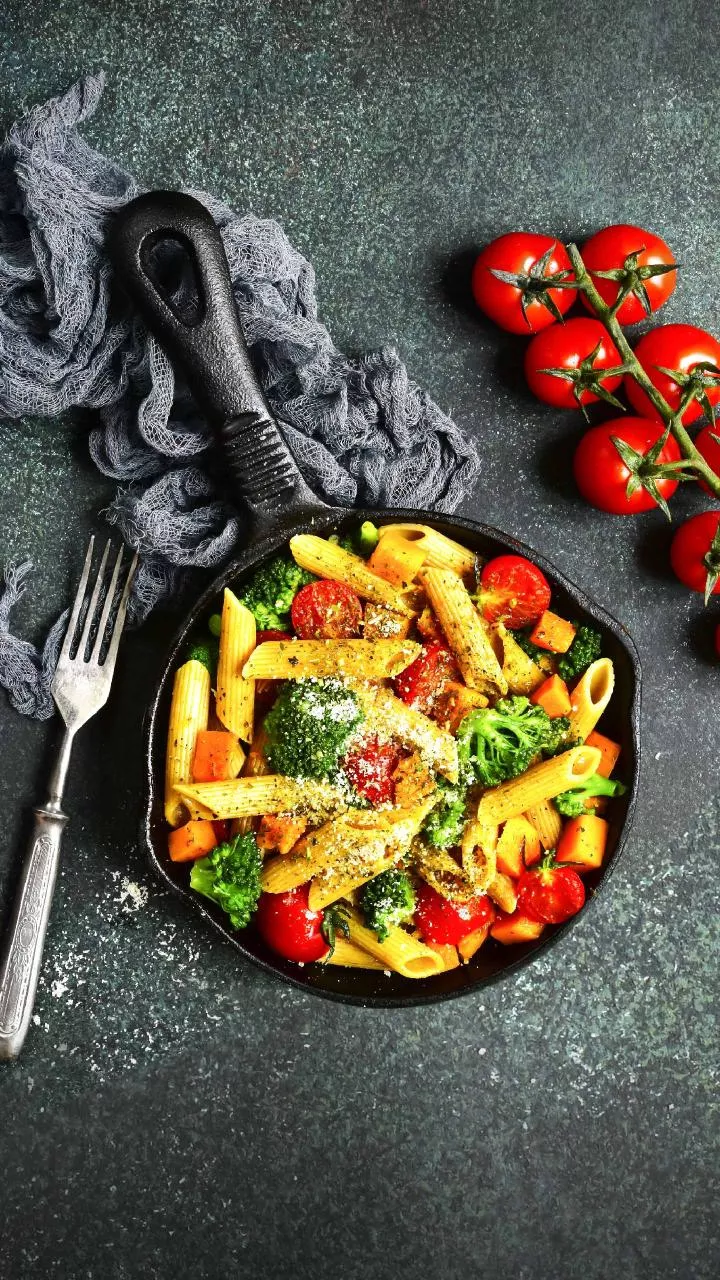
Let’s start with the most celebrated benefit: fewer dishes. Cooking an entire meal in a single skillet or on one sheet pan means you aren't juggling multiple pots and pans. Instead of a mountain of cookware to scrub, you’re often left with just one item
to wash. This isn’t just a time-saver; it’s a stress-reducer. On a busy weeknight, reclaiming that 15 or 20 minutes from cleanup can feel like a genuine luxury, freeing up mental space and allowing you to relax sooner. It simplifies the entire cooking process from start to finish, making a home-cooked meal feel achievable even when you're exhausted.
Building Deeper, Richer Flavors
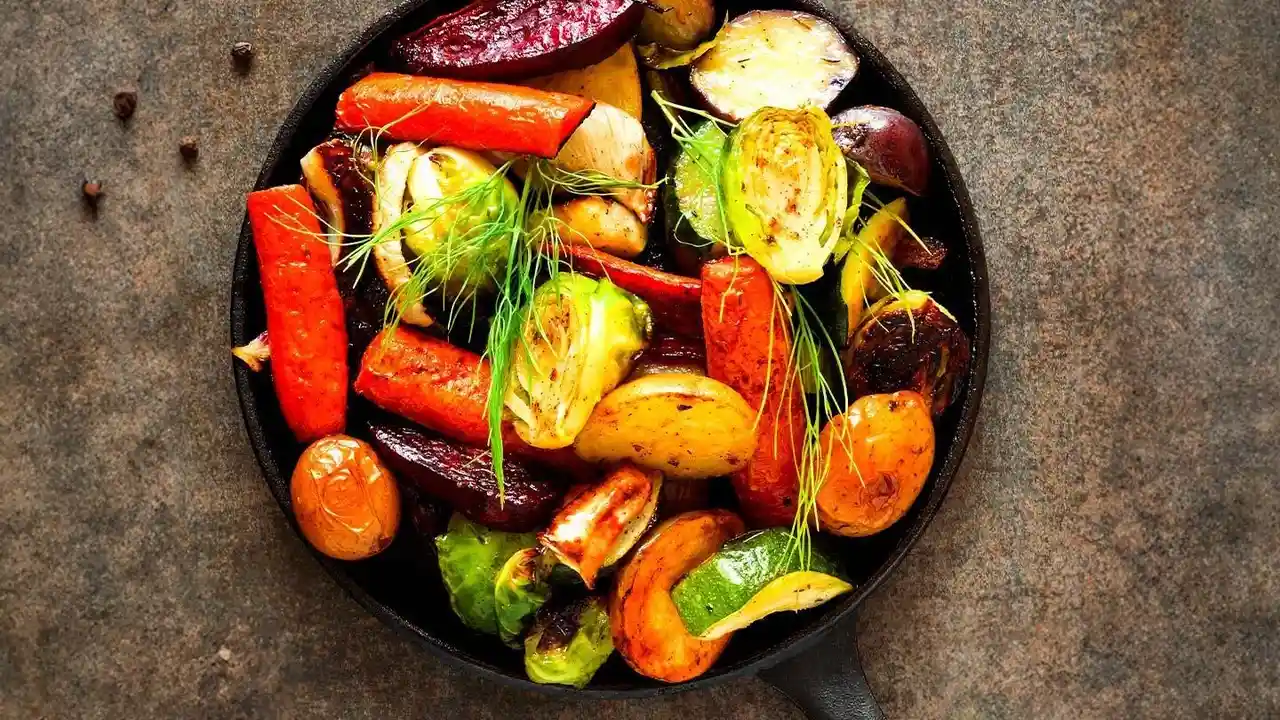
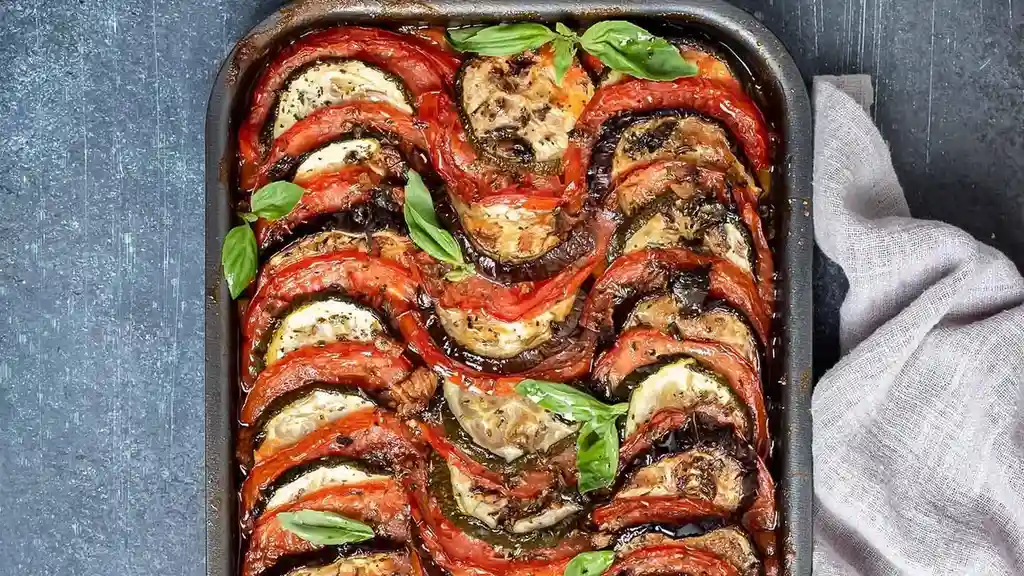
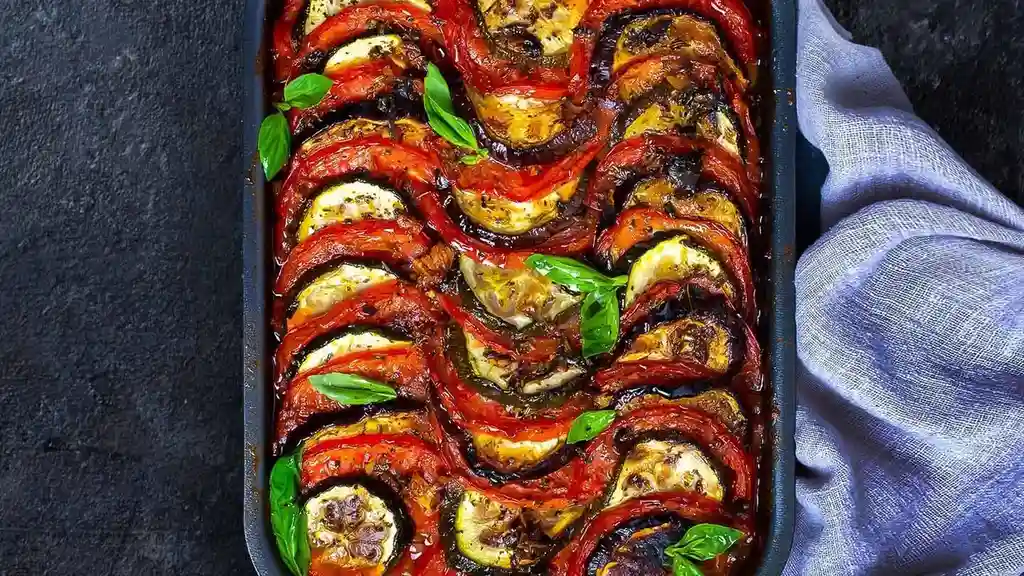
A happy consequence of cooking everything together is incredible flavor development. As vegetables, proteins, and grains cook in the same pan, their flavors meld and deepen in a way that’s difficult to replicate with separate components. Imagine roasting chickpeas and sweet potatoes; they caramelize and their sweetness intensifies. Add some spices and a bit of onion, and you start building layers of taste. As everything cooks, the ingredients release juices that create a natural, flavorful sauce, infusing every bite with a cohesive, rich taste. This method turns simple ingredients into a truly satisfying and comforting meal.
Achieving a Balanced Meal with Ease
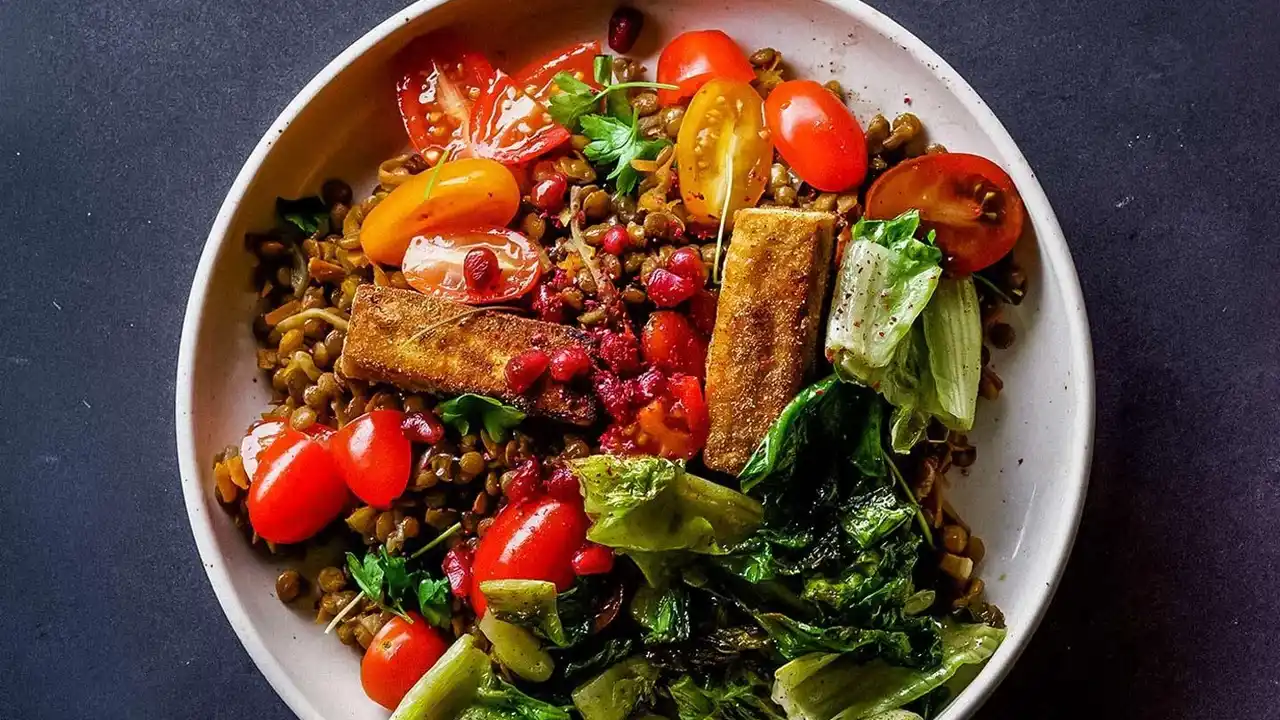
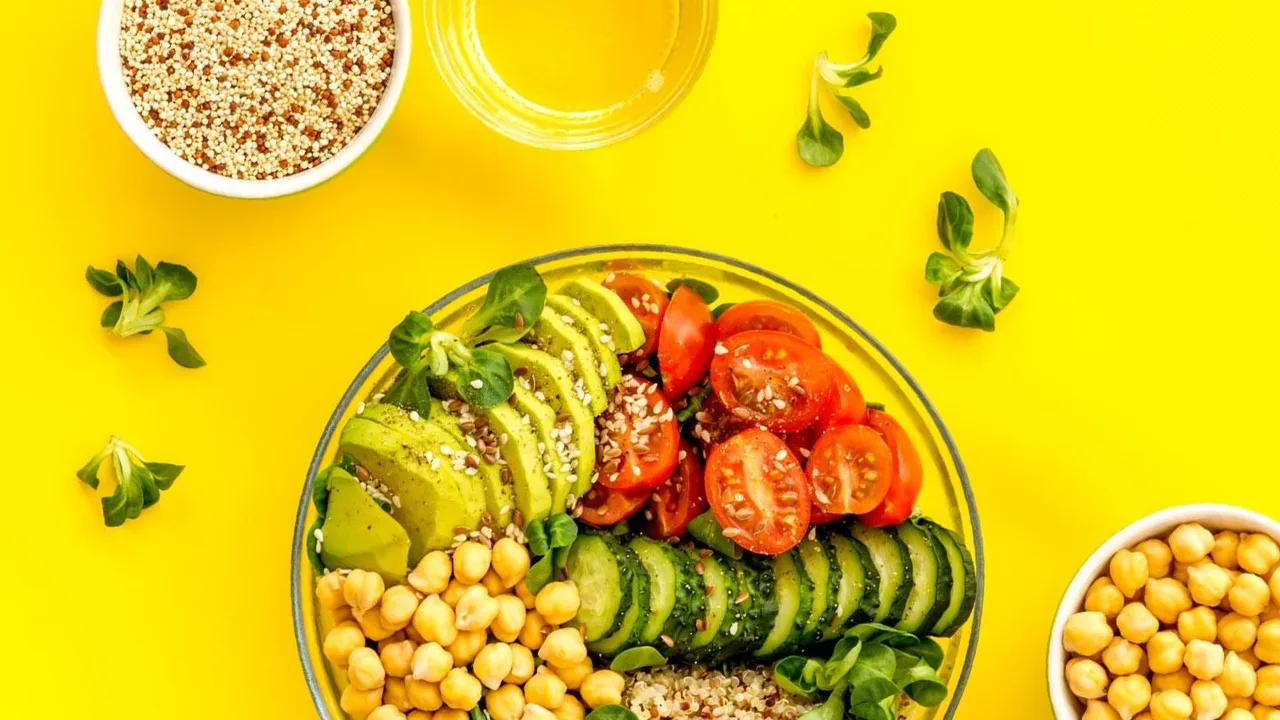
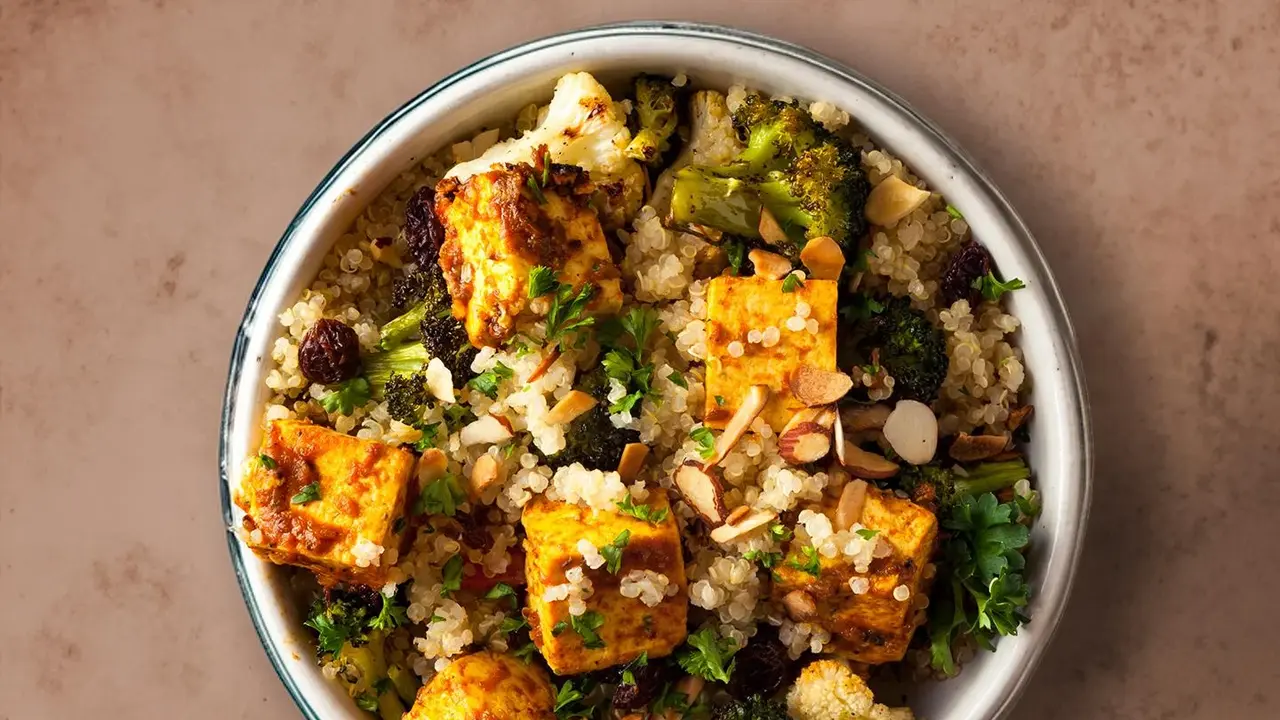
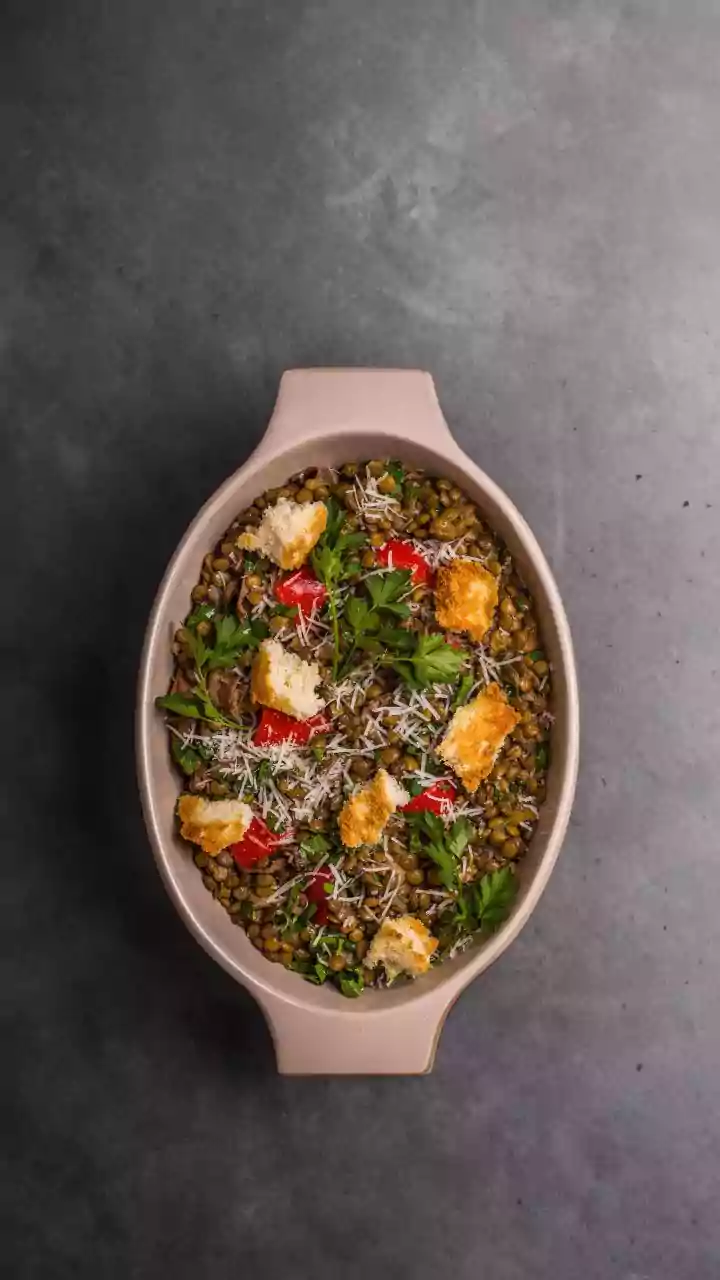
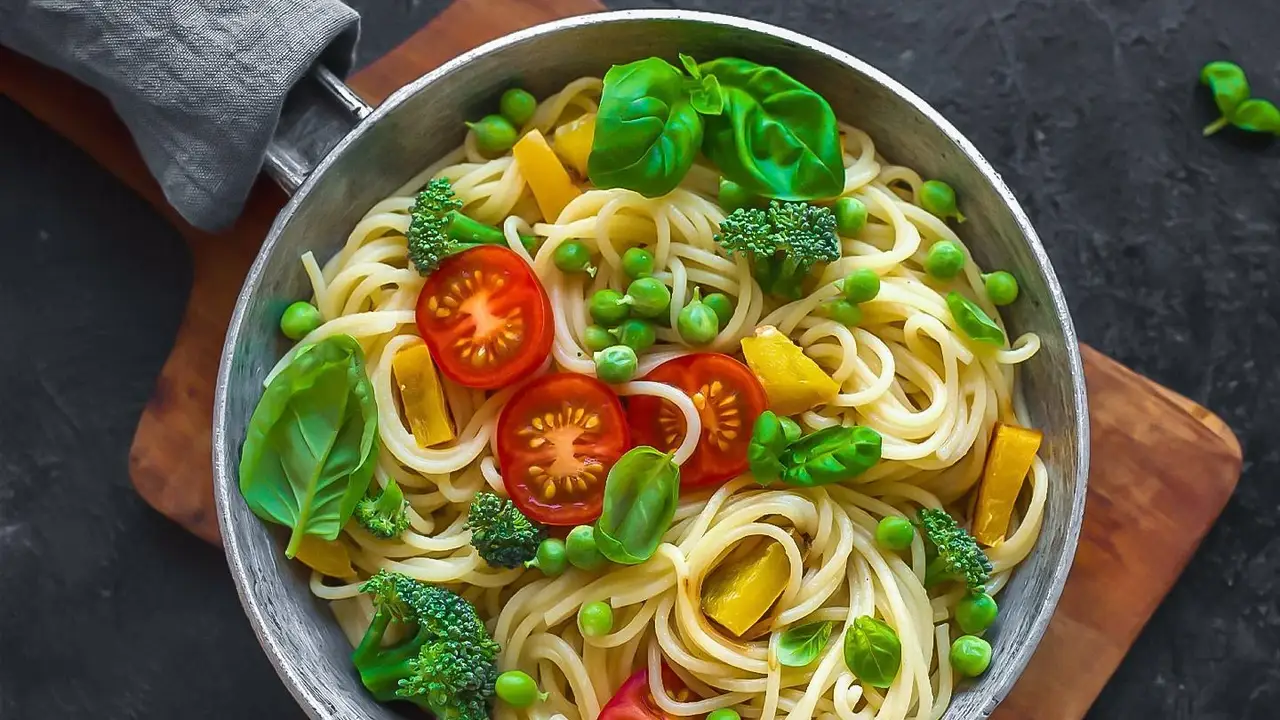
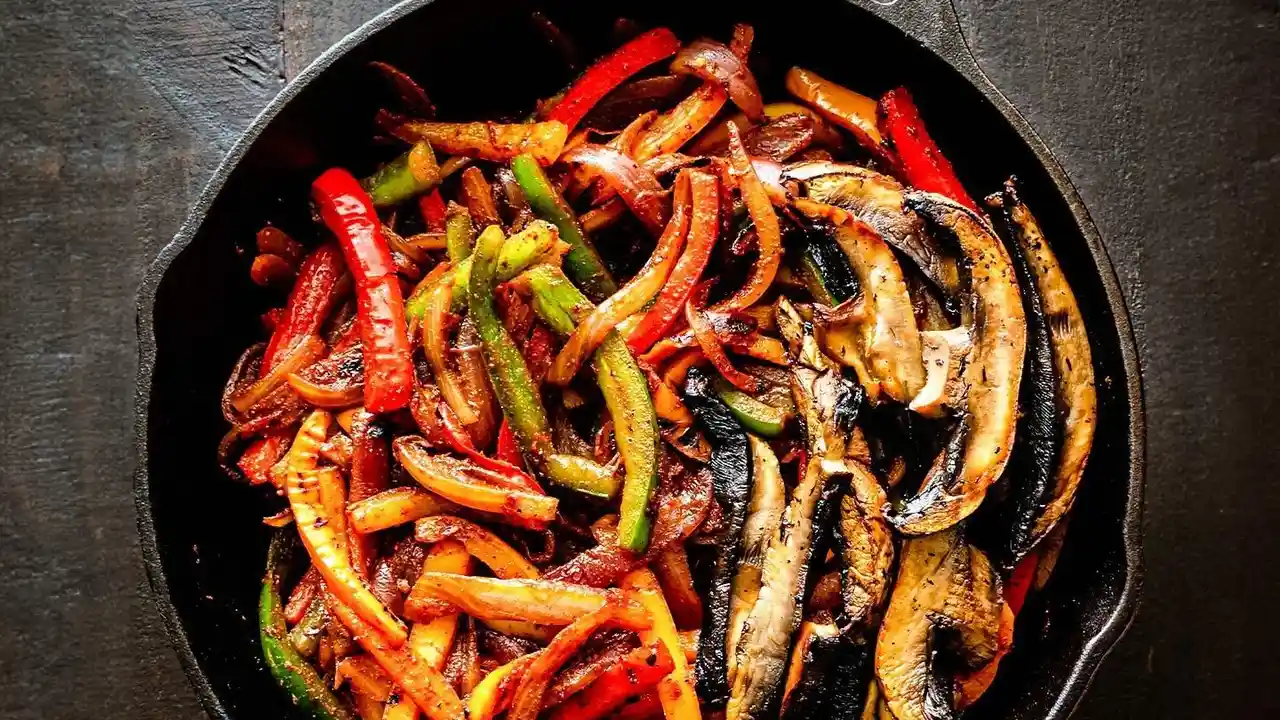
One-pan meals make it incredibly simple to build a nutritionally complete vegetarian dinner. The format encourages a balanced mix of vegetables, plant-based proteins, and healthy carbohydrates without extra effort. You can easily toss in a can of rinsed chickpeas or black beans for protein and fiber, add quinoa for complex carbs, or use hearty vegetables like broccoli and bell peppers for essential vitamins. Plant-based proteins like lentils, tofu, and beans are perfectly suited for this style of cooking, absorbing the surrounding flavors beautifully. This ensures your quick weeknight dinner is not only easy but also wholesome and filling.
Mastering the Technique Is Key
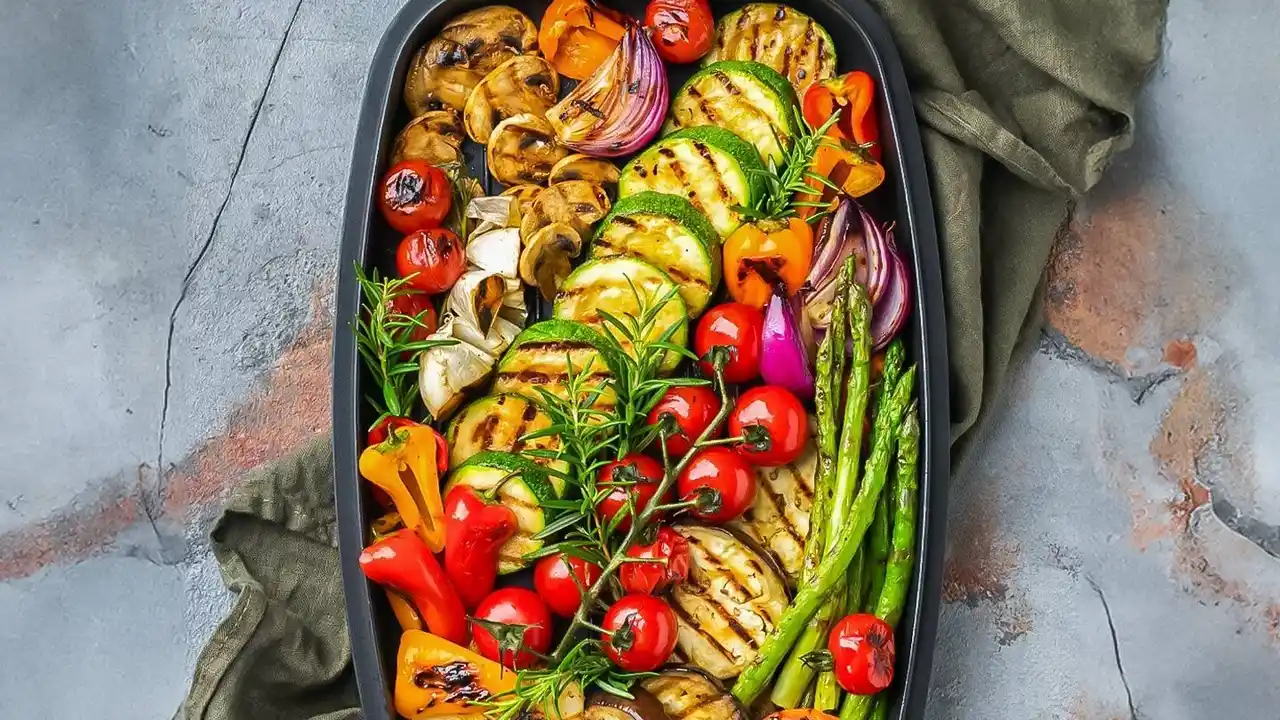
The secret to a great one-pan meal isn't just a good recipe, but understanding the technique. Timing is crucial to avoid a plate of mushy vegetables. A common mistake is adding all the ingredients at once. Instead, start with heartier vegetables that take longer to cook, like potatoes and carrots. Partway through, add quicker-cooking items like bell peppers, zucchini, or asparagus. Proteins like tofu or chickpeas can often be added in the last 15-20 minutes of roasting. Also, don't overcrowd the pan. Giving your ingredients space allows them to roast and caramelize rather than steam, resulting in better texture and flavor.
The Ultimate Meal Prep Hack
The one-pan philosophy extends brilliantly to meal prepping. It’s just as easy to fill a large sheet pan as it is a small one, allowing you to batch-cook for the week ahead. By doubling a recipe, you can prepare several days' worth of lunches or have a ready-to-reheat dinner for another night. These meals often taste just as good, if not better, the next day as the flavors continue to meld. A large batch of roasted vegetables with lentils or a one-pot curry can be portioned out, saving you from having to think about cooking again during a particularly hectic week.