



The Great Indian Snack Shift
For generations, snacking in India was a straightforward affair, an act of simple indulgence. It was about the communal joy of a shared plate of pakoras on a rainy day or the familiar comfort of a masala-spiced potato chip. Flavour and tradition were
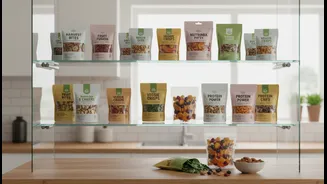
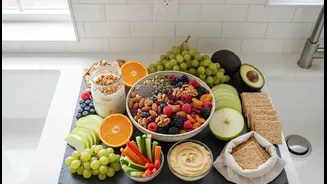
king. But now, a fundamental shift is occurring. Indian consumers, particularly in urban centres, are no longer just asking if a snack is tasty; they're asking what's in it. This growing health consciousness is rapidly reshaping the entire packaged food industry, with India's healthy snacking market projected to grow at a compound annual growth rate (CAGR) of nearly 10%, outpacing the global average.
The Rise of the 'Clean Label' Detective
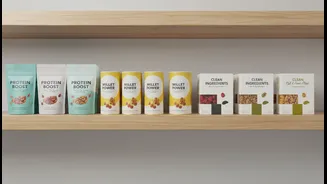
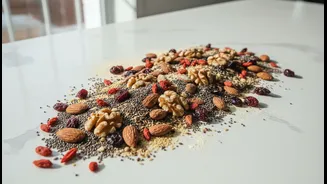
One of the biggest drivers of this change is the demand for 'clean labels'. While not a legally defined term, it reflects a consumer-led movement for transparency and simplicity. Shoppers are turning into ingredient detectives, scanning packages for things they can recognise and understand. They're looking for products free from artificial preservatives, colours, and flavours. According to a recent report, a staggering 62% of consumers consider clear information about ingredients the most important factor when choosing a snack brand, ranking it far above celebrity endorsements. This has forced manufacturers to reformulate products, swapping out chemical-sounding additives for simple, kitchen-style ingredients like turmeric for colour or dates and jaggery for sweetness. The preference is clear: consumers want food, not a chemistry experiment.
Protein Becomes the New Hero Ingredient
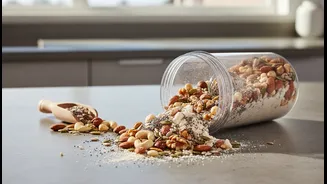
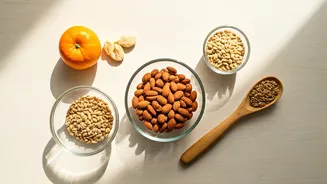
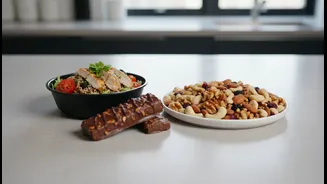
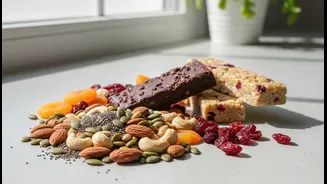
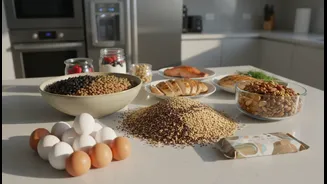
Alongside the clean label movement, protein has transitioned from a niche concern for gym-goers to a mainstream obsession. Health has become a primary driver for snacking choices, and protein is at the top of the checklist. A 2026 report revealed that 86% of Indian consumers prioritise protein when selecting a snack. This surge in demand is fuelled by a greater understanding of nutrition, where protein is valued for promoting satiety, aiding in muscle repair, and providing sustained energy. This trend is evident in the booming popularity of products like protein bars, nut butters, makhana (fox nuts), and roasted chana. Consumers are not just willing to look for protein; nearly a third are willing to pay a premium for it, signalling a significant shift in purchasing decisions.
Old Favourites Get a Healthy Makeover
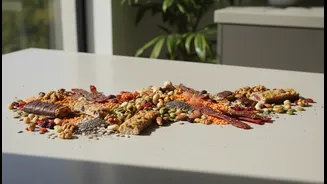
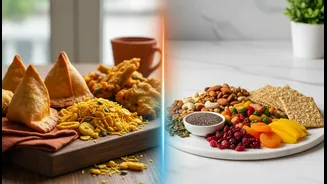
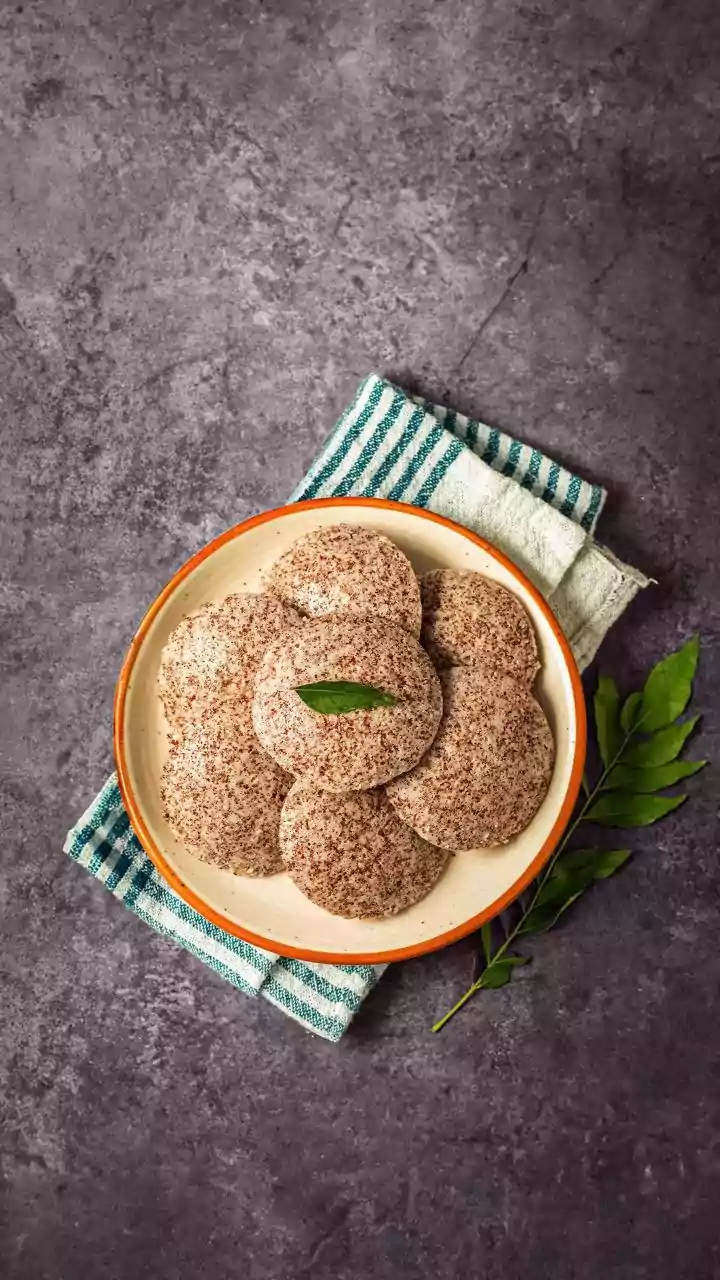
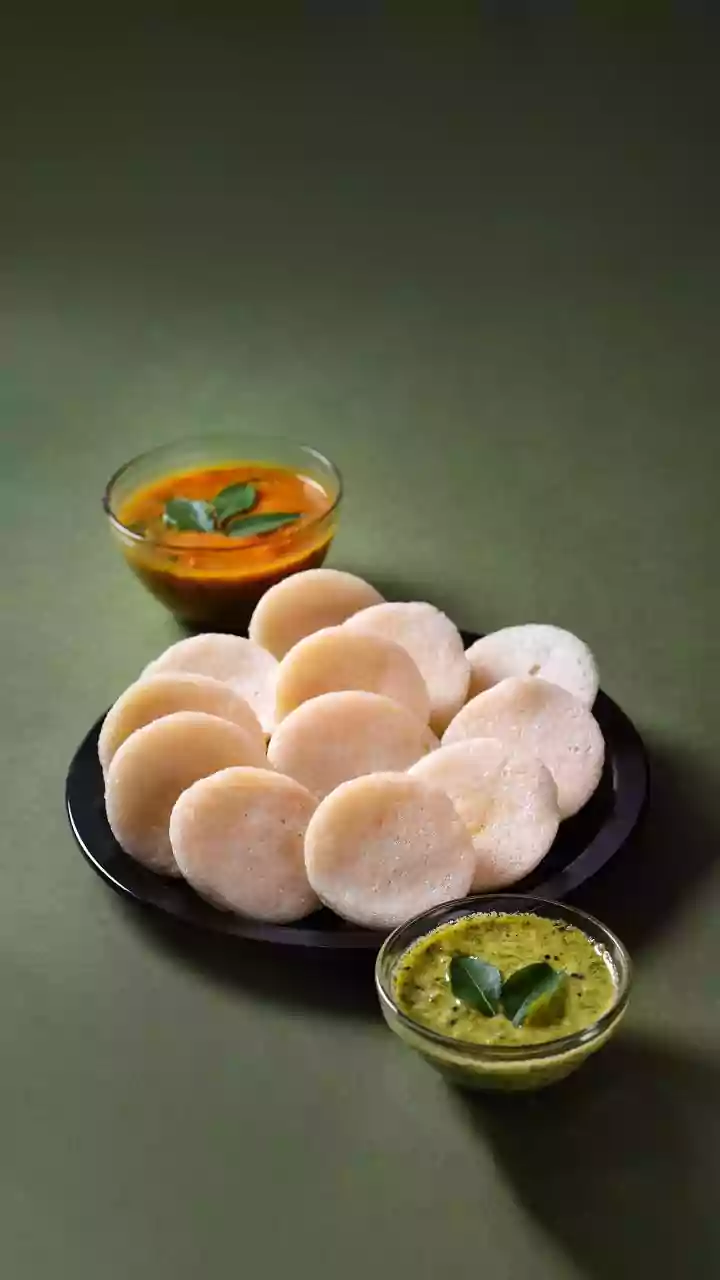
This new wave doesn't necessarily mean the end of traditional snacks. In fact, many brands are finding success by giving beloved Indian staples a healthy, modern twist. Traditional snacks have always been based on whole ingredients like chickpea flour (besan), lentils, and millets, which are naturally rich in nutrients. The problem often lay in the preparation methods and added oils. Today, companies are innovating by offering baked, not fried, versions of snacks like chakli and chivda, or by creating namkeens with minimal oil and sodium. Even traditional powerhouses like roasted chana, sprouts, and paneer are being celebrated and repackaged as convenient, high-protein options, proving that sometimes the healthiest choices have been with us all along.
The Future of Snacking in India
The evolution of the Indian snack market is being further accelerated by technology and convenience. The rise of quick commerce platforms like Blinkit and Zepto has compressed the path from discovery to purchase, making it easier than ever for consumers to access these new-age snacks. This intersection of health consciousness, demand for transparency, and digital convenience is creating a dynamic and competitive landscape. Brands leading the charge are those that can build trust through authentic storytelling and transparent sourcing. The future points not to a replacement of the old with the new, but a coexistence where the consumer is empowered with choice—from the comforting, indulgent samosa to the functionally nutritious protein bar.