



First, Read the Label
Before you do anything, find the care tag. This small label is your single most important guide, providing instructions tested by the manufacturer. The symbols are part of an international system, so understanding them is key. The main icons to look for are a washtub
(washing), a triangle (bleaching), a square (drying), an iron (ironing), and a circle (professional cleaning). An 'X' through any symbol means 'do not do'. Lines underneath the washtub indicate the need for a gentler cycle; two lines signify a very gentle or wool-specific cycle.
The Gentle Art of Washing
Wool is naturally odour and stain-resistant, so it doesn't need frequent washing; often, simply airing it out is enough. When a wash is necessary, check if the label permits machine washing. If so, turn the garment inside out, use a wool or delicate cycle with cold water (max 30°C), and choose a detergent specifically made for wool. Never use bleach or fabric softener. For hand-washing, fill a basin with lukewarm water and a small amount of wool detergent. Gently submerge the item, let it soak for about 10 minutes, and then rinse thoroughly with clean, cool water without twisting or wringing the fabric.
Drying Without Disaster
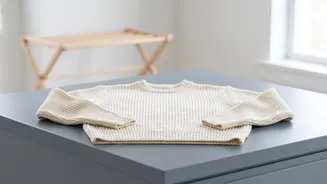
Never hang a wet wool garment, as the weight of the water will stretch it out of shape. And unless the label explicitly allows it, keep wool far away from the tumble dryer, as the heat and agitation can cause it to shrink and felt. The safest method is to lay the garment on a clean, dry towel. Gently roll the towel and garment together, pressing down to absorb excess water. Then, unroll it, reshape the garment, and lay it flat on a dry towel or a mesh drying rack away from direct sunlight or heat.
Smart Storage for Longevity
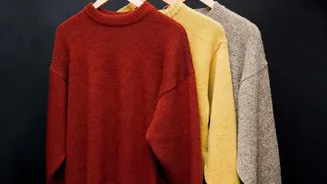
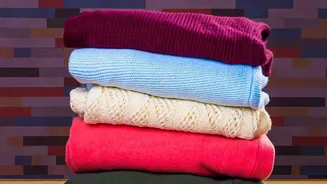
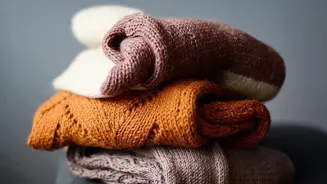
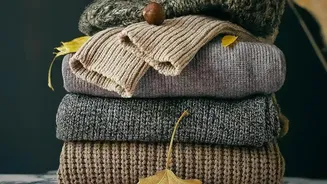
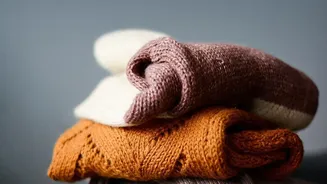
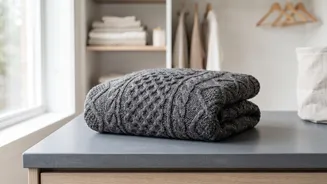
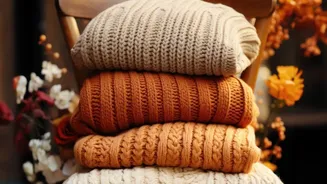
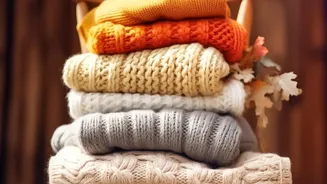
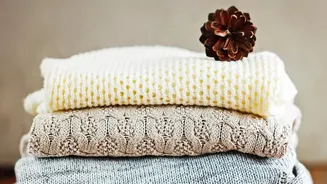
Proper storage is crucial, especially for long-term seasonal storage. First, ensure every item is completely clean and dry before putting it away, as food stains and body oils can attract moths. The number one rule of storing wool knits is to fold, not hang. Hanging can cause the shoulders and body to stretch and lose their shape over time. Store your folded woollens in a cool, dry place. For added protection against pests, use breathable fabric bags or containers with natural repellents like cedar blocks or lavender sachets. Avoid sealing them in plastic bags, which can trap moisture and lead to mildew.