







The Seduction of Strength
Let’s be honest: powerlifting is empowering. There’s a raw, tangible sense of accomplishment in lifting more than you ever thought possible. The community is supportive, the progress is measurable, and the feeling of commanding hundreds of kilos is a powerful
antidote to a world where we often feel powerless. This pursuit of brute strength, however, can come at a hidden cost. The very movements that build muscle—the squat, the bench press, and the deadlift—place immense compressive and shear forces on the vertebral column. While a strong back is essential for these lifts, we often confuse muscle strength with spinal health, and they are not the same thing.
The True Price of Poor Mobility
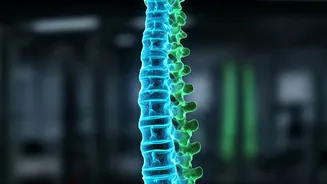
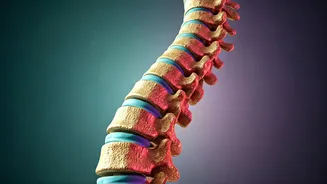
Imagine your spine as a stack of shock-absorbing cushions (intervertebral discs) between bony blocks (vertebrae). Heavy lifting, especially with imperfect form, squeezes these cushions relentlessly. Over time, without proper counter-movement and decompression, this can lead to disc degeneration, bulges, or even herniations. Many lifters focus on strengthening the muscles around the spine—the erector spinae, the abs, the lats—but neglect the mobility of the spine itself. A stiff, rigid spine cannot effectively distribute load. It becomes brittle. The result? Chronic lower back pain, sciatica, and injuries that can sideline you for months, erasing all your hard-earned gains. The quest for a 200 kg deadlift means very little if you can’t bend over to tie your shoes without wincing.
Flexibility: The Unsung Hero of Strength
The headline says “Ditch Powerlifting,” and while that’s a provocative thought, the smarter approach is to reframe our priorities. Instead of seeing flexibility as the enemy of strength—a common myth in old-school lifting circles—we must see it as its most critical partner. A mobile spine allows for a deeper, safer squat. It enables better arch and shoulder positioning in the bench press, protecting delicate joints. It facilitates the correct hip hinge in a deadlift, taking dangerous pressure off the lumbar region. Spinal flexibility, supported by core stability, isn't just about injury prevention; it's about performance enhancement. It allows your body to move through a full, efficient range of motion, recruiting more muscle fibres and ultimately making you stronger and more resilient.
Enter Yoga: The Perfect Counterbalance
This is where yoga, especially on International Yoga Day, offers a perfect solution. It’s not about trading your barbell for a yoga mat permanently. It’s about adding a powerful tool to your arsenal. Yoga is the practice of active recovery and foundational strength. Poses like Cat-Cow (Marjaryasana-Bitilasana) gently mobilise each vertebra, hydrating the spinal discs. Downward-Facing Dog (Adho Mukha Svanasana) decompresses the entire spine, stretching the hamstrings and shoulders—all common tight spots for lifters. Gentle twists (like Ardha Matsyendrasana) help to release tension in the deep muscles surrounding the spine. Furthermore, yoga’s focus on breath (pranayama) and core engagement builds the deep stabilising muscles that protect your back under heavy load, something crunches alone can’t achieve.
A Practical Plan for Balance
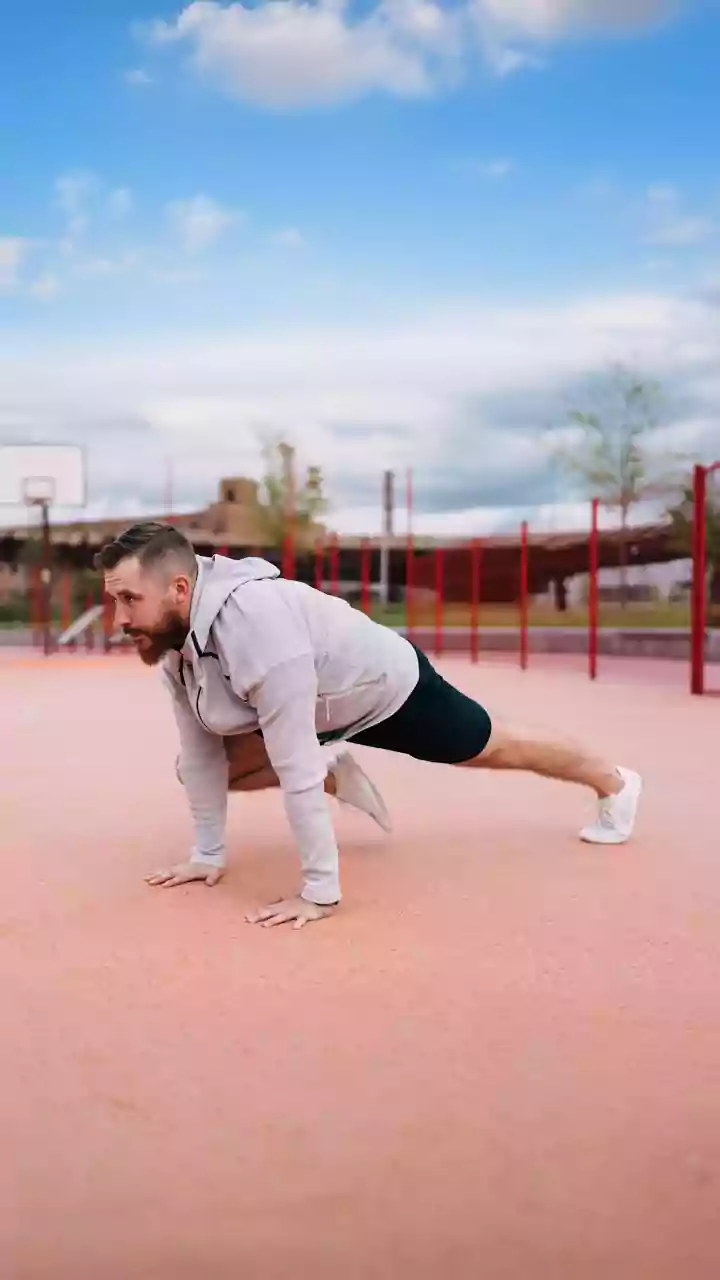
Integrating this focus doesn’t require a complete overhaul of your routine. Start small. Dedicate 10-15 minutes before your lifting session to dynamic spinal movements. Instead of just foam rolling, perform gentle spinal rotations and Cat-Cow flows to prepare your back for the load. Post-workout, instead of heading straight for the door, spend 10 minutes in restorative poses. Hold a deep squat to open your hips, lie in a gentle spinal twist, or simply hang from a pull-up bar to allow gravity to decompress your vertebrae. On your rest days, consider a full yoga class. Think of it not as “losing a training day” but as investing in your lifting longevity.