







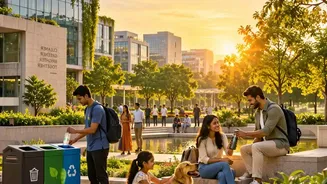
In the concrete jungles of Bengaluru and Mumbai, a new patch of green is becoming a top priority for homebuyers: the humble pet park. This isn't just about lawn space; it's a fundamental shift in how urban India lives and what we value in a home.
A New Kind of Family Member
The primary
driver behind this trend is a deep cultural shift in how urban Indians view their pets. For a growing number of people, particularly millennials and Gen Z, pets are not just animals; they are integral family members, often referred to as 'fur babies'. This demographic, which now constitutes a significant portion of homebuyers and renters, has moved from being pet 'owners' to 'pet parents'. They are emotionally invested and their decisions, including major financial ones like buying a home, are heavily influenced by the well-being of their pets. A home that cannot comfortably accommodate a four-legged family member is often a deal-breaker. This humanisation of pets means that their needs—for exercise, socialisation, and safe spaces—are no longer an afterthought but a primary consideration.
The Real Estate Calculation
Real estate developers are not adding these amenities out of sheer goodwill; it's a sharp business strategy. In the competitive property markets of Mumbai and Bengaluru, a generic clubhouse or swimming pool no longer guarantees a sale. High-end buyers, in particular, now come with a checklist of specific lifestyle needs, and pet-friendly infrastructure is high on that list. Developers have realised that dedicated pet parks, walking trails, and grooming stations can differentiate a project in a crowded market. These features have moved from being a niche luxury to a mainstream expectation, especially in the premium housing segment. Projects that integrate pet amenities from the master planning stage are more attractive to a wider pool of potential buyers, which can lead to higher demand and better property values.
Designed for a Crowded City
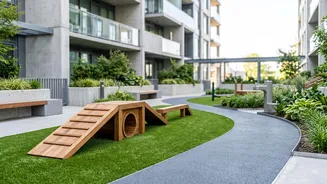
Living in a high-rise apartment in Bengaluru or Mumbai presents practical challenges for pet owners. A simple toilet break can mean a long trip down the elevator and a search for a suitable patch of grass in a busy neighbourhood. Dedicated pet play areas within the complex offer a convenient and safe solution. These are typically fenced-off zones where dogs can run off-leash, exercise, and socialise without disturbing other residents. This separation of space is crucial; it helps minimise conflict between pet owners and non-pet-owning residents over issues of hygiene and safety in common areas like parks and elevators. By providing a designated zone, societies can better manage cleanliness and reduce wear and tear on general landscaping.
More Than Just a Park
The benefits of these dedicated areas extend to the health and behaviour of the pets themselves. A well exercised dog is typically a better behaved dog. Access to a safe, off leash area for play helps reduce boredom and anxiety, which can otherwise lead to destructive behaviour indoors. It also provides a vital opportunity for socialisation with other dogs, which is essential for their mental well being. But the perks are not just for the pets. These parks serve as social hubs for their owners, too. Neighbours who might otherwise never interact find common ground, fostering a stronger sense of community within the apartment complex. These casual interactions can make a large, impersonal building feel more like a connected neighbourhood.
A Post Pandemic Push
The COVID‑19 pandemic accelerated the trend of pet ownership in India, with many seeking companionship during long periods of isolation. This surge in pet adoption, combined with the rise of work‑from‑home culture, meant that owners were spending more time with their pets and becoming more attuned to their daily needs. The limitations of apartment living became more apparent, fuelling demand for better amenities. Furthermore, recent guidelines from civic bodies like the Bruhat Bengaluru Mahanagara Palike (BBMP) have prohibited resident welfare associations (RWAs) from banning pets, legally reinforcing the rights of pet owners. This has encouraged larger housing societies to proactively create infrastructure like pet parks to balance the needs of all residents and establish clear rules for pet ownership.