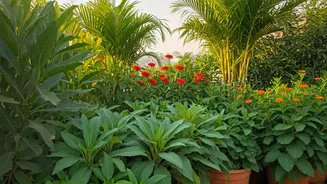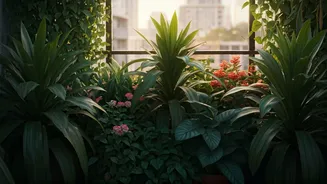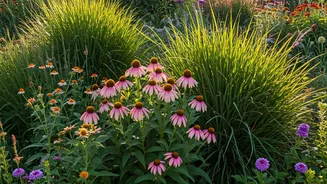



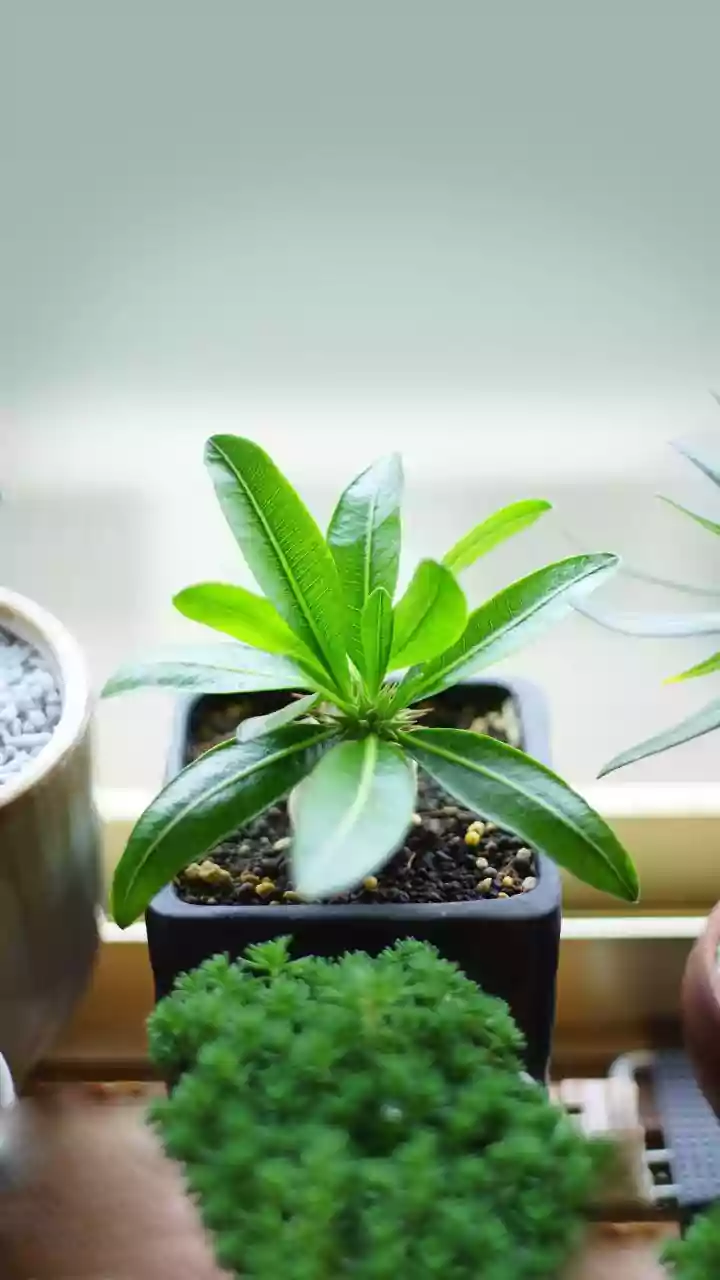


A Shift in the Urban Landscape
Walk through any urban neighbourhood in India, and you'll notice a subtle but significant change. Gardeners are increasingly looking beyond imported ornamental plants and embracing species that have naturally grown in their region for centuries. [16]
These are 'native plants'—species like Neem, Tulsi, Jamun, and Marigold that are indigenous to a specific area. [5, 13] Unlike exotic plants, which are introduced from other regions, natives are perfectly adapted to the local climate, soil, and ecosystem. [10, 18] This shift represents more than just a gardening trend; it's a move towards a more sustainable, practical, and ecologically conscious way of life in the city. [9]
The Allure of Low Maintenance
For the busy urbanite, the primary appeal of native plants is their remarkable resilience and ease of care. [10, 21] Since they have evolved to thrive in the local environment, they demand far less attention than their exotic counterparts. [17, 18] This translates to significant savings in water, a critical concern in many Indian cities facing water scarcity. [9, 11, 14] Adapted to local rainfall patterns, native plants require minimal irrigation once established. [10, 12] They are also naturally resistant to local pests and diseases, which drastically reduces the need for chemical pesticides and fertilizers. [5, 9] This low-maintenance nature makes gardening more accessible and enjoyable, freeing up time and reducing costs. [3]
Creating Tiny Pockets of Biodiversity
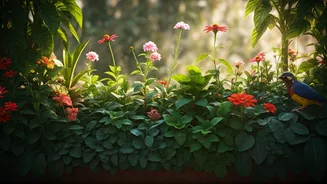
Perhaps the most profound benefit of native gardening is its positive impact on local wildlife. [18] Native plants provide essential food and shelter for indigenous birds, bees, butterflies, and other insects. [2, 10, 17] For example, trees like Peepal and Jamun attract birds, while flowering plants like Hibiscus and Marigold provide nectar for pollinators. [5, 13, 22] By planting native species, even in a small balcony pot, urban gardeners are effectively creating 'mini-ecosystems'. [6] These green patches help restore a fraction of the natural habitat lost to urbanization, supporting local food webs and enhancing the city's overall biodiversity. [2, 4, 16]
A Deeper Connection to Local Heritage
Choosing native plants is also a way of reconnecting with the region's cultural and natural heritage. [18] Many of these plants, like Tulsi (Holy Basil) and the Peepal tree, hold deep spiritual and medicinal significance in Indian culture. [5, 7, 23] Incorporating them into our homes is a celebration of this legacy. [5] Instead of uniform gardens filled with the same few exotic species, native planting encourages a landscape that is unique and true to its location. It fosters an appreciation for the local environment and adds a layer of cultural identity to personal green spaces. [6, 18]
Getting Started with Your Native Garden
Starting a native garden is surprisingly simple. Many common Indian household plants are, in fact, native. For a sunny balcony, consider plants like Tulsi, Marigold, Hibiscus, or Curry Leaf. [5, 7, 22] For those with a bit more space, trees like Neem or Jamun are excellent choices. [13] Even succulents like Aloe Vera are well-suited to hot, dry conditions. [21, 22] The key is to start small. Replace one or two exotic plants with native alternatives, or dedicate a corner of your balcony to them. [5] Local nurseries are increasingly stocking native varieties, responding to this growing demand from informed gardeners. [5, 16]