






A Welcome Escape from Perfection
For years, interior design chased a futuristic ideal: glossy, mass-produced, and perfectly uniform. But as our lives become more digital and disconnected, we are craving the opposite in our living spaces. This resurgence of natural materials isn't just
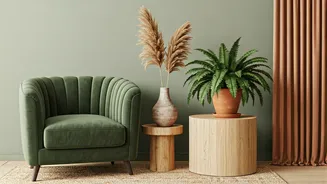
a fleeting trend; it's a collective sigh of relief. It’s a move towards 'Wabi-Sabi,' the Japanese aesthetic that finds beauty in imperfection. We're seeking warmth, texture, and a connection to something real. In a world of filters and flawless finishes, the unique grain of a wooden table or the slight asymmetry of a handmade clay pot feels honest and deeply comforting. This trend is about creating a home that feels like a sanctuary, a calm and grounding space to retreat from the chaos of the outside world.
The Timeless Strength of Wood
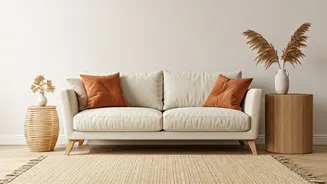
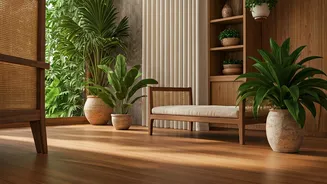
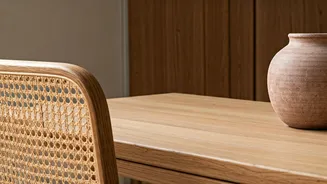
Wood has always been a cornerstone of Indian homes, but its modern incarnation is more thoughtful. The focus is shifting from heavily polished, dark woods to lighter tones and more natural finishes that celebrate the material's inherent character. Think sustainably sourced teak, mango wood, or sheesham, often left with a matte or oiled finish that you can actually feel. Reclaimed wood, with its history etched into every knot and nail hole, is especially prized for everything from statement dining tables to accent walls. This isn't just about furniture; it's about wooden flooring that warms a room, decorative bowls that add a rustic touch, and beautifully carved panels that serve as art. The new rule for wood is to let it be itself, imperfections and all.
The Lightness and Art of Cane
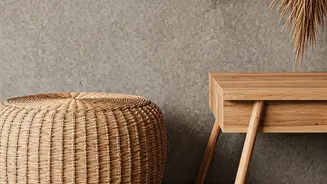
Remember the cane and wicker furniture from old family homes? It’s back, but with a chic, contemporary twist. Cane, rattan, and bamboo bring an airy lightness to interiors that heavier materials cannot. Their woven textures add visual interest and a touch of the bohemian, without overwhelming a space. We're seeing it everywhere: in the iconic 'Chandigarh Chair' style, on the fronts of cabinets and sideboards (a modern take on the traditional 'jaali'), and in intricate lampshades that cast beautiful, patterned shadows. What makes cane so appealing now is its versatility. It fits seamlessly into minimalist, Scandinavian-inspired spaces as well as lush, tropical-themed rooms, proving that this traditional Indian craft has a truly global and modern appeal.
The Grounding Power of Clay
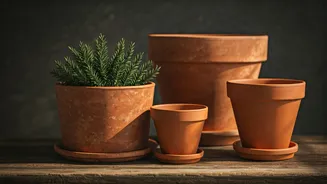
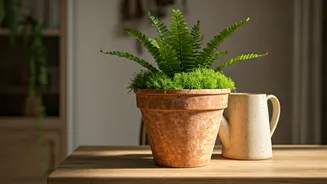
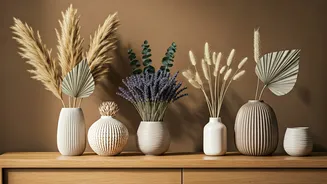
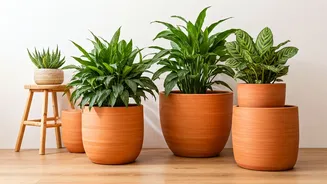
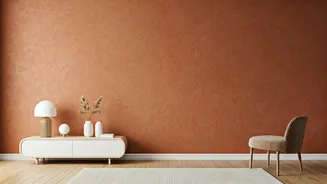
Perhaps no material is as elemental as clay. Terracotta, earthenware, and ceramics are re-emerging from the garden and kitchen to take centre stage in our living rooms. The appeal lies in their earthy, humble nature. A simple terracotta planter can make a style statement, while a collection of handmade ceramic vases adds a personal, artistic touch. In the kitchen, unglazed earthenware is being celebrated for both its aesthetic and its purported health benefits for cooking and water storage. These pieces connect us to the soil and to centuries-old craft traditions. Their matte textures and warm, reddish-brown hues provide a perfect, grounding counterpoint to the cooler tones often found in modern homes. They remind us that beauty doesn't have to be loud; it can be quiet, simple, and profound.
More Than Just a Look
Ultimately, this trend is about more than just aesthetics. It represents a conscious choice. By choosing items made from wood, cane, and clay, we are often supporting local artisans and sustainable practices. It’s a vote for longevity over disposability, for craftsmanship over mass production. This is the core of 'biophilic design'—the idea that connecting with nature, even through the materials in our homes, is essential for our well-being. It’s about creating a space that not only looks good but *feels* good, promoting a sense of calm, creativity, and connection to the natural world. It’s a reflection of a deeper desire for a slower, more mindful way of living.