







What Happens When You Overeat?
When you eat a larger meal than usual, your digestive system works overtime. Your stomach, which is highly elastic, stretches to accommodate the volume. To break down the extra food, your body releases more digestive enzymes and hormones. Your heart may
even pump harder to send extra blood to your digestive system, which is one reason you might feel tired and lethargic. If the meal was high in carbohydrates and sugar, you might experience a blood sugar spike followed by a crash, contributing to that sluggish feeling. This is a normal, albeit uncomfortable, response to a temporary overload.
The Myth of the 'Detox'
The wellness market is flooded with products and plans promising to 'cleanse' your system. However, medical experts largely agree that these are unnecessary. Your body has a highly efficient, built-in detoxification system: the liver and kidneys. These organs work around the clock to filter your blood, process nutrients, and eliminate waste products and actual toxins. Most commercial detox plans are not backed by compelling scientific evidence and often involve severe calorie restriction. Any weight lost is typically water weight, which returns once you resume your normal diet.
Gentle Support, Not Extreme Measures
Instead of punishing your body with a restrictive cleanse, the goal should be to support its natural recovery process. The day after a big feast is not the time for fasting or juice-only diets, which can leave you feeling fatigued and irritable. Forcing your body into an extreme state can be counterproductive. The focus should be on returning to balance through gentle, nourishing habits that help your digestive system reset without added stress. Think of it as helping your body do its job, not taking over with an unproven, drastic intervention.
Hydrate, Hydrate, Hydrate
One of the simplest and most effective things you can do is drink water. Proper hydration helps your kidneys flush out excess sodium, which is often high in celebratory foods and can contribute to bloating. Water also aids digestion by helping to break down food and prevent constipation. Sipping water throughout the day is key. You can also try herbal teas like peppermint, ginger, or chamomile, which are known for their ability to soothe the digestive system and reduce gas.
Embrace Gentle Movement
While a high-intensity workout is not recommended right after a large meal, light physical activity can be very beneficial. A leisurely walk stimulates digestion, helps regulate blood sugar levels, and can alleviate feelings of bloating and gas. Movement helps get things moving through your gastrointestinal tract. The key is to keep it gentle; a stroll around the neighbourhood is perfect. Avoid strenuous exercise, as it can divert blood flow away from your digestive system to your muscles, slowing down the process.
Return to Nutrient-Dense Foods
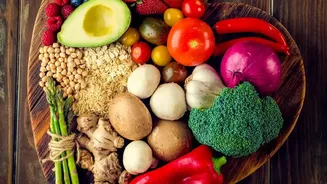
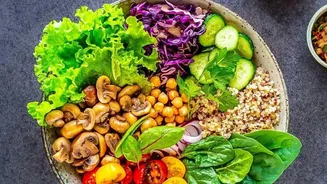
Don't skip meals to 'compensate' for overindulgence, as this can lead to being overly hungry and making poor food choices later. Instead, focus on reintroducing nutrient-dense, whole foods. Incorporate plenty of dietary fibre from fruits, vegetables, and whole grains. Fibre feeds the beneficial bacteria in your gut and promotes regular bowel movements. Lean proteins like chicken, fish, or lentils can help you feel full and stabilize energy levels. Probiotic-rich foods like plain yogurt can also support a healthy gut environment after a festive disruption.