






What Are the New Rules?
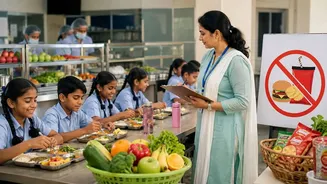
The Karnataka government, through its Food Safety and Drug Administration, has prohibited the sale, advertising, and even free distribution of foods high in fat, salt, and sugar (HFSS) on school and college campuses. This ban extends to a 50-metre radius
around these educational institutions. The advisory, issued in late July 2026, makes institutions responsible for ensuring compliance on their premises and displaying warning signs about unhealthy foods. The move follows statewide inspections that found many vendors near campuses were selling HFSS food items.
Why the Sudden Health Focus?
This initiative is a direct response to growing concerns about lifestyle diseases among young people. The government aims to promote healthier eating habits and curb rising rates of obesity and diabetes. Officials noted that inspections revealed that meals served in some institutions were high in refined carbohydrates like white bread and pasta, which can cause unhealthy spikes in blood sugar. Health Minister UT Khader stated that this is the first phase of a larger plan to combat lifestyle diseases among the youth. This policy aligns with national efforts by the Food Safety and Standards Authority of India (FSSAI) to ensure students have access to safe and nutritious food.
So, What's Off the Menu?
While a definitive, itemized list of banned foods has not been released, the target is clearly what is broadly termed 'junk food'—items high in fat, sugar, and salt. This includes many popular processed snacks, sugary carbonated drinks, and other common canteen fare. However, this lack of a specific list has caused some confusion. School and college associations have welcomed the health initiative but are asking for greater clarity on what exactly qualifies as 'junk food'. For instance, questions have been raised about whether items like a vegetable sandwich would be considered junk food under the new rules.
A Push for Healthier Alternatives
The government isn't just taking things off the menu; it's also encouraging healthier additions. The advisory recommends that campus canteens serve balanced meals that include cereals, pulses, millets, fresh seasonal fruits, vegetables, milk, and eggs. There's a strong push to use locally available produce and incorporate fortified staples like fortified rice and double fortified salt, in line with FSSAI regulations. The goal is to replace unhealthy options with nutritious, freshly prepared meals that provide sustained energy and support healthy growth among students.
Enforcement and Reactions
The government has put the onus on educational institutions to enforce the ban on their premises. Food Safety Officers will conduct random inspections of canteens and nearby establishments. Violators could face penalties of up to ₹3 lakh under the Food Safety and Standards Act, 2006. The Health Minister has also mentioned discussions about potentially not renewing the licences of non-compliant schools in the future. The reaction from schools has been cautiously positive, though marked by requests for more clarity. For canteen operators and vendors, the shift will require a significant change in business strategy, moving away from high-demand junk food to government-approved healthier options.