



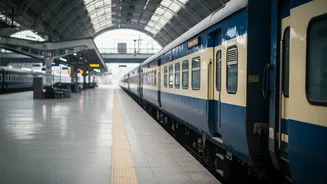


Defining the 'Route-Level Check'
The term “route-level check” isn't about one single action, but a philosophy of targeted, repeated enforcement. It encompasses a range of activities, from intensive ticket-checking drives to surprise cleanliness and safety audits on specific trains and at particular
stations. Instead of relying solely on broad, system-wide policies, railway zones are increasingly deploying special squads to tackle localized problems. These can be “fortress checks,” where a station is cordoned off to catch ticketless travellers, or “ambush checks” conducted on specific train sections notorious for overcrowding. The goal is to move from passive oversight to active, on-ground intervention that directly addresses issues as they occur, creating a more disciplined and orderly environment for everyone.
The Tangible Impact on Crowding
The most immediate benefit for ticket-holding passengers is the reduction of overcrowding in reserved coaches. Intensive ticket-checking drives are proving remarkably effective. For instance, in the first quarter of the 2026-27 financial year, Central Railway collected over ₹101 crore in fines from nearly 13 lakh passengers travelling without valid tickets, a 43% increase in revenue from the previous year. These drives are not just about revenue generation; they are a direct response to the perennial problem of unauthorized passengers occupying seats and floor space, compromising the comfort and safety of legitimate travellers. When passengers know there is a high likelihood of being checked and fined, compliance improves, ensuring that reserved coaches remain reserved for those who paid for them.
Beyond Tickets: Safety and Cleanliness
Route-level checks extend far beyond ticketing. Indian Railways has been instituting surprise “super-checks” to audit the quality of track maintenance and rolling stock. After a maintenance crew services a section of track, a separate team from the Track Analytics Cell might conduct an unannounced inspection to verify the quality of the work, ensuring deficiencies are caught and rectified. Similarly, to combat unauthorized vendors who pose security and hygiene risks, railway divisions conduct joint drives with the Railway Protection Force (RPF) and vigilance departments. There's also a renewed focus on onboard hygiene, with plans to have dedicated staff clean general coaches and toilets every 60-90 minutes on dozens of long-distance trains, with performance monitored through technology.
Accountability from the Ground Up
This strategy places significant responsibility on ground-level staff—the Travelling Ticket Examiners (TTEs), RPF personnel, and maintenance crews—but also empowers them. By equipping ticket-checking staff with Hand-Held Terminals (HHTs), the process of verifying tickets, allotting vacant berths, and collecting fines becomes more transparent and efficient. Furthermore, making senior officials accountable for monitoring these drives ensures they are conducted seriously and consistently. This focus on accountability aims to create a culture of proactive service rather than reactive problem-solving. It sends a clear message that ensuring a safe, clean, and comfortable journey is a shared responsibility, from the highest levels of management to the staff interacting with passengers every day.
The Case for Consistency
The success of these route-level initiatives hinges on one crucial factor: consistency. A one-off drive during a festive season may provide temporary relief, but making it a regular, unpredictable feature of rail travel is what drives long-term behavioural change. Railway officials have noted that the purpose of these checks is not just to collect penalties but to create awareness and foster a culture of compliance. While large-scale infrastructure upgrades and the introduction of new trains are vital for the future, the daily experience of millions of passengers is shaped by the conditions inside the coach. Repeated, route-level checks are a powerful, cost-effective tool to improve that experience right now, proving that sometimes, small, persistent actions can make the biggest difference.