




Moving Beyond Grit and Grind
For many fitness enthusiasts, post-workout recovery has long been a passive affair: rest, ice, and maybe wincing through some aggressive foam rolling. The underlying belief was that recovery is something you endure, not an active part of training. Passive
rest, which involves minimal physical activity, certainly has its place, especially when dealing with significant fatigue or certain injuries. However, relying on it completely can mean slower removal of metabolic waste from muscles and a feeling of stiffness. The new thinking reframes recovery not as an absence of activity, but as a strategic, gentle continuation of it.
The Science of Active Recovery
This new approach is rooted in the concept of active recovery: using low-intensity exercise to help the body heal. When you perform strenuous exercise, your muscles undergo microscopic tears and accumulate metabolic byproducts. Low-impact activities stimulate blood flow to these tired muscles. This increased circulation delivers a fresh supply of oxygen and nutrients needed for repair while simultaneously helping to flush out the waste products that contribute to soreness and fatigue. The goal is to keep the body moving without adding new stress, calming the nervous system and improving feelings of stiffness.
What Counts as Low-Impact?
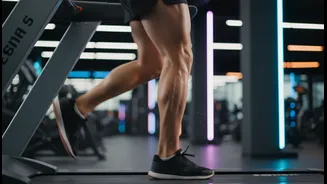
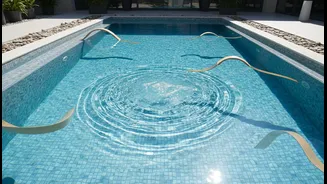
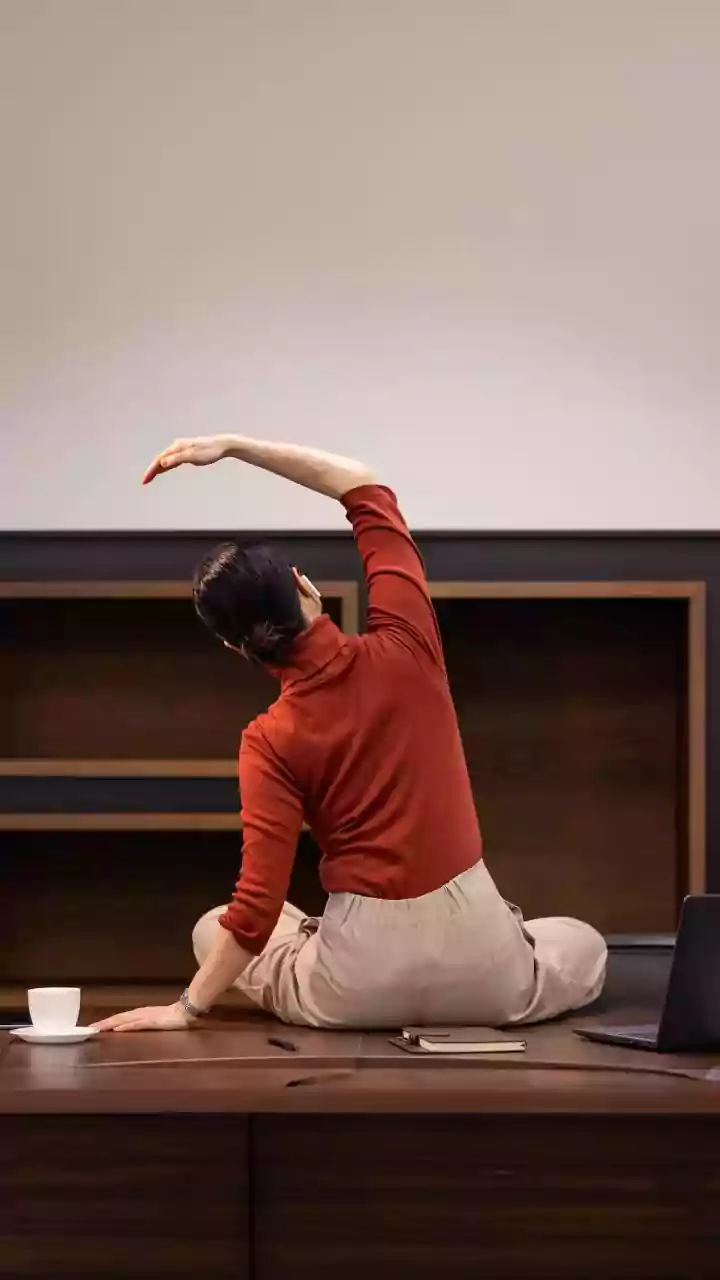
Low-impact exercises are activities that are gentle on your joints. This doesn't necessarily mean low-intensity; you can still get your heart rate up. The key is that they avoid the jarring impact of activities like running or jumping. Examples are plentiful and can be adapted to any fitness level. Swimming and other water-based workouts are ideal because the buoyancy of water supports your body, removing nearly all stress from your joints. Light cycling, brisk walking, rowing, and using an elliptical machine are other excellent choices. Mind-body practices like yoga and tai chi also fit the bill, offering the dual benefits of improving flexibility and promoting a sense of calm.
How Top Athletes Use This Method
This shift is being led by professional athletes who understand that career longevity depends on smart recovery. It's common for Tour de France cyclists to go for a light spin the day after a grueling stage to keep their legs from seizing up. Many runners incorporate cross-training days with swimming or cycling to maintain cardiovascular fitness without the constant pounding on their joints. This blend of high-intensity work and low-intensity recovery allows them to train more consistently, reducing the risk of overuse injuries that can come from a relentlessly high-impact schedule. By listening to their bodies, they're proving that sometimes, the smartest way to get ahead is to slow down.
Adding It to Your Own Routine
You don't need to be a professional to reap the benefits. Incorporating low-impact active recovery is simple. On days after a particularly tough workout, instead of collapsing on the couch, consider a 20- to 30-minute leisurely walk, a gentle swim, or a short yoga session. These activities should be performed at a low effort level, around 60-75% of your normal workout's heart rate. Active recovery can also be used as a cool-down immediately following intense exercise to help your body transition more smoothly back to a resting state. The key is to find an activity you enjoy and that leaves you feeling refreshed, not more tired.