






What Exactly is a Warung?
Before you can eat at a warung, it helps to know what you're looking for. A warung is a small, often family-owned and run eatery in Indonesia. The term itself simply means a small business, but it's most commonly associated with these humble food stalls.
Don't expect fancy decor or air conditioning; think simple wooden benches, plastic stools, and a glass cabinet showcasing the day's dishes. These establishments are the heart of local culinary life, serving traditional Indonesian and Balinese food that is fresh, flavourful, and incredibly wallet-friendly. Many are famous for a single dish or style of cooking, and it's not uncommon to see locals travelling across town just for a specific warung's specialty. This is where you'll find the true taste of Bali, far from the tourist-centric cafes.
The Golden Rule: Embrace Nasi Campur
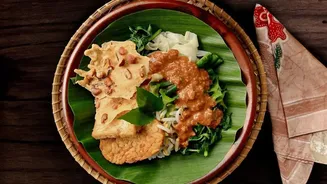
For the first-timer, ordering at a warung can seem intimidating, but one dish makes it easy: Nasi Campur. Meaning 'mixed rice', this is the quintessential warung meal. You start with a plate of steamed rice (nasi) and then point to the various dishes on display in the glass case. It’s a buffet-style approach where you build your own plate. Options typically include a wide variety of vegetables (sayur), fried tempeh, tofu, grilled chicken (ayam bakar), beef rendang, and different types of spicy chili paste called sambal. Each item has its own price, with meat and fish costing more than vegetables. A generous plate of Nasi Campur provides a balanced, filling meal and a fantastic way to sample many different local flavours all at once. It’s a complete meal that rarely disappoints and is different at every warung.
How Much Can You Actually Save?
The price difference between eating at a warung and a tourist-facing restaurant is significant. A full, satisfying meal at a warung, such as Nasi Campur with a drink, can cost between 25,000 to 50,000 Indonesian Rupiah (IDR), which is roughly ₹140 to ₹280. Comparatively, a single main course at a mid-range cafe in tourist hubs like Canggu or Seminyak can easily cost IDR 80,000 to 180,000 (around ₹450 to ₹1000). For a solo traveller, sticking to warungs for most meals means your daily food budget could be as low as IDR 100,000-150,000 (about ₹560 - ₹840) for three meals. This is a fraction of the cost of eating at establishments geared towards tourists, where a single brunch with coffee can exceed that entire daily budget. This saving allows you to allocate more of your funds towards activities, transport, and accommodation.
Tips for the Indian Palate
For many Indian travellers, finding suitable food is a key concern. The good news is that warungs are incredibly accommodating. Rice, lentils, and vegetable dishes are staples. For vegetarians, options are plentiful. You can build a delicious plate with dishes like Sayur Urap (steamed vegetables with coconut), fried tofu, and tempeh, which is a fermented soybean cake and a great source of protein. To be sure, you can use simple phrases like “saya vegetarian” (I am vegetarian) or “tidak makan daging” (I do not eat meat). Many warungs will have pre-cooked vegetarian dishes, and Nasi Campur allows you to choose exactly what goes on your plate. For those who love spice, the local sambal will feel familiar, but be warned—it can be very potent! If you prefer less heat, just say “tidak pedas” (not spicy).
Beyond the Savings: An Authentic Experience
While the budget benefits are clear, the real value of eating at warungs lies in the cultural immersion. It’s an opportunity to step away from the polished tourist trail and experience Bali as its residents do. You'll sit side-by-side with locals on their lunch break, share a smile with the family running the stall, and taste home-cooked recipes passed down through generations. This is where you connect with the island's rhythm. You might discover your favourite dish is something you've never heard of, or find a friendly local willing to share tips. Choosing a warung over a cafe isn't just a financial decision; it's a choice to have a more genuine, memorable, and delicious travel experience.