

The Underrated Tyranny of Cleanup
For many home cooks, the time spent preparing a meal is only one part of the equation. The real time sink, the one that drains your evening energy, is what comes after. The collection of pots, pans, mixing bowls, and utensils that pile up can make a 30-minute
cooking session turn into a 45-minute cleaning ordeal. This post-dinner task is often the most disliked part of cooking at home. Studies and home cooks agree: minimising the number of dishes used is a key factor in making home cooking sustainable and enjoyable on a daily basis. A recipe's true time cost isn't just the active cooking, but the total time from start to a clean kitchen.
How One Pan Changes the Game
One-pan or one-pot meals are exactly what they sound like: complete dishes where the protein, vegetables, and starches are all cooked together in a single vessel, be it a sheet pan in the oven or a skillet on the stove. The primary benefit is obvious and powerful: minimal cleanup. Instead of scrubbing multiple pots and pans, you are left with just one. Using tools like parchment paper or foil to line a sheet pan can reduce the cleanup effort even further, sometimes to just a quick rinse. This approach fundamentally shifts the effort, saving you significant time and energy where it matters most—after you've already eaten.
Mastering the One-Pan Method
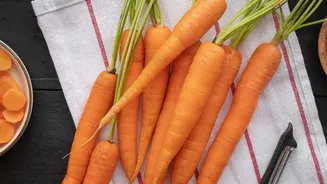
While the concept is simple, a successful one-pan meal requires a bit of strategy to avoid common pitfalls like soggy vegetables or unevenly cooked protein. The most crucial technique is staggering your ingredients based on cooking time. Dense, hardy vegetables like potatoes and carrots need to go in first, while quicker-cooking items like bell peppers, zucchini, or shrimp should be added to the pan later in the process. Another key is to avoid overcrowding the pan. Ingredients need space for hot air to circulate, which allows them to roast and caramelise rather than steam. If you have too many ingredients, it's better to use two pans than to crowd one.
More Than Just Less Washing
Beyond the dramatic reduction in cleanup time, one-pan cooking offers other advantages. As all the components cook together, their flavours meld in a way that is difficult to replicate when cooked separately, creating a deeper, more cohesive taste. This method also simplifies the cooking process itself. There's less active management, especially with oven-based sheet pan meals, freeing you up to do other things while dinner is cooking. It's a more streamlined and less chaotic way to cook, reducing kitchen stress and making it easier to produce a balanced, nutritious meal with protein and plenty of vegetables.
A Simple Formula for Success
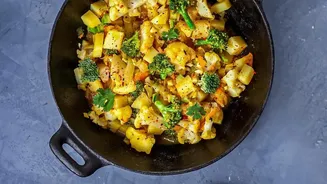
You don't need a specific recipe to get started. Think in terms of a formula: Protein + Vegetables + Starch + Seasoning. For an Indian-inspired sheet pan dinner, you could toss paneer or chicken pieces with cubed sweet potatoes, cauliflower florets, and onions. Season generously with oil, ginger-garlic paste, turmeric, cumin, and coriander powder. Roast in a hot oven, perhaps adding some chopped tomatoes or bell peppers partway through. Finish with a squeeze of lemon juice and fresh coriander. This template is endlessly adaptable to whatever you have in your fridge, empowering you to create delicious, low-effort meals any night of the week.