





What is the Push-Pull-Legs Split?
The Push-Pull-Legs (PPL) split is a popular and enduring training method that organizes your workouts by movement pattern. Instead of focusing on one body part at a time (like a "chest day" or "arm day"), you group muscles that naturally work together.
The structure is straightforward: one day is dedicated to upper body "pushing" muscles, the next to upper body "pulling" muscles, and a third to training your entire lower body. This logical grouping makes it one of the most efficient workout splits available.
The Three Core Workouts
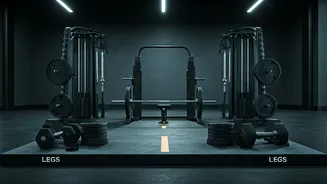
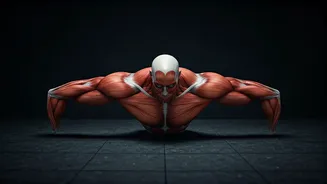
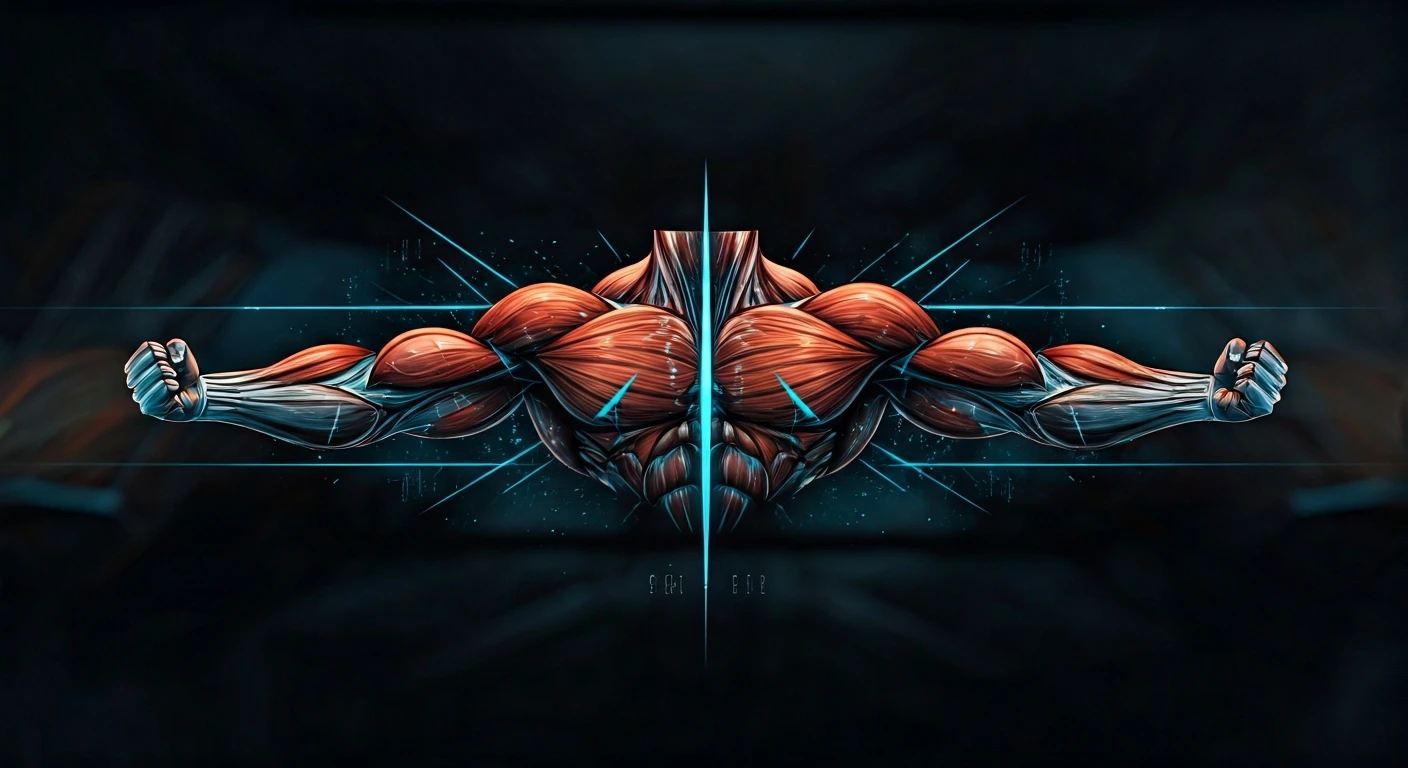
Understanding the PPL split is as easy as knowing which muscles perform each function. * **Push Day:** This workout targets the muscles you use to push weight away from your body. The primary movers are your chest, shoulders, and triceps. Think of exercises like the bench press, overhead press, and dips. * **Pull Day:** This session focuses on muscles that pull weight toward your body. These are your back muscles (lats, rhomboids, traps) and your biceps. Common exercises include pull-ups, rows, and bicep curls. * **Leg Day:** As the name implies, this workout is dedicated to your entire lower body, including the quadriceps, hamstrings, glutes, and calves. Squats, deadlifts, and lunges are foundational movements here.
Why It Prevents Confusion and Boosts Results
The primary benefit of a PPL routine is its beautiful simplicity and efficiency. By grouping related muscles, you ensure maximum overlap within a single workout; for example, when you perform a bench press for your chest, your shoulders and triceps are also heavily engaged. This synergy makes your workouts more effective. Furthermore, this structure minimizes overlap *between* workouts. Your pushing muscles get to recover completely while you have a pull day or leg day, which helps prevent overtraining and promotes better muscle repair and growth. This clear separation of duties—push, pull, or legs—removes the daily guesswork, making it much easier to stay consistent.
How to Structure Your PPL Week
The PPL split is incredibly flexible and can be adapted to your schedule and experience level. For beginners, a 3-day split is an excellent starting point, allowing ample recovery time between sessions. A typical week might look like this: * **Monday:** Push Day * **Tuesday:** Rest * **Wednesday:** Pull Day * **Thursday:** Rest * **Friday:** Leg Day * **Saturday/Sunday:** Rest For more advanced lifters or those wanting to increase their training frequency, a 6-day split is common. This involves running through the PPL cycle twice per week, often with one rest day. For instance: Push, Pull, Legs, Push, Pull, Legs, Rest. This high-frequency approach allows you to train each muscle group twice a week, which can double your training volume over a year compared to some other splits.
Sample Exercises for Your Routine
To get started, focus on compound exercises that work multiple muscles at once, supplemented with isolation movements. Here’s a basic template: * **Push Day:** Barbell Bench Press (3 sets of 6-8 reps), Overhead Press (3 sets of 8-10 reps), Incline Dumbbell Press (3 sets of 10-12 reps), and Triceps Pushdowns (3 sets of 12-15 reps). * **Pull Day:** Barbell Rows (4 sets of 6-8 reps), Pull-Ups or Lat Pulldowns (3 sets of 8-10 reps), Face Pulls (3 sets of 12-15 reps), and Barbell Curls (3 sets of 8-10 reps). * **Leg Day:** Barbell Squats (4 sets of 6-8 reps), Romanian Deadlifts (3 sets of 8-10 reps), Leg Press (3 sets of 10-12 reps), and Calf Raises (3 sets of 15-20 reps). Remember to warm up properly before each session and focus on maintaining good form, especially when you are starting.