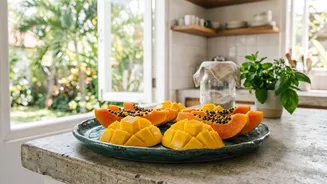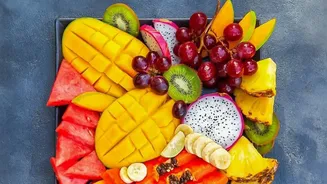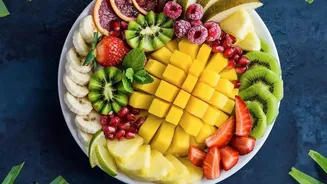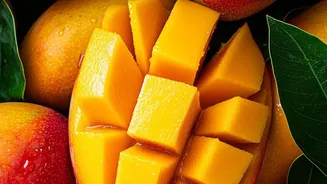




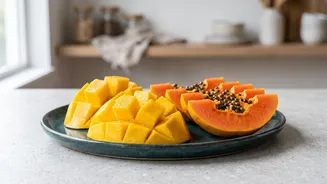

Mango and papaya are staples of tropical fruit bowls, beloved for their sweet, vibrant flesh. But beyond their sunny colours and delicious taste, their nutritional profiles tell two very different stories. So which one is the right choice for you?
The Vitamin C Champion: Papaya
When
it comes to immune support, papaya takes a decisive lead. A single cup of papaya can provide over 100% of your daily recommended intake of Vitamin C, sometimes packing nearly 70% more than the same amount of mango. Vitamin C is a powerful antioxidant crucial for a healthy immune system, protecting cells from damage and promoting skin health by aiding collagen production. While mango is still a good source, offering around two-thirds of your daily need per cup, papaya is the clear winner for anyone looking to maximize their intake of this essential vitamin.
The Vitamin A Powerhouse: Mango
If eye and skin health are your priorities, mango is the superior choice. Mango is exceptionally rich in beta-carotene, a compound your body converts into Vitamin A. A one-cup serving of mango can deliver a significant portion of your daily Vitamin A needs, often containing more than double the amount found in papaya. Vitamin A is vital for maintaining good vision, supporting skin cell turnover, and ensuring a robust immune defense. Both fruits contain these valuable carotenoids, but mango's concentration gives it a distinct advantage in this category.
Digestive Health: The Papain Advantage
One of papaya’s most unique features is an enzyme called papain. This natural compound is a proteolytic enzyme, meaning it helps break down proteins, which can aid digestion, especially after a protein-heavy meal. For centuries, papain has been used to help reduce bloating and indigestion. While both fruits contain beneficial dietary fibre, which supports regularity and a healthy gut, papaya's papain content gives it a unique edge for digestive support. Unripe green papaya contains an even higher concentration of this enzyme.
Calories and Sugar Content
For those managing their weight or sugar intake, papaya is the lighter option. Per 100 grams, papaya has fewer calories (around 43 compared to mango's 60) and significantly less sugar (about 8 grams versus 14 grams in mango). This makes papaya a better choice for enjoying a larger, satisfying portion without consuming as much sugar or as many calories. Despite having more sugar, mango has a slightly lower glycemic index (around 51) compared to papaya (around 56-60), meaning it may cause a gentler rise in blood sugar when eaten in moderation.
Other Key Nutrients: Folate and Minerals
Beyond the headline vitamins, the comparison reveals other subtle differences. Mango often has a slight edge in folate (Vitamin B9), which is crucial for cell growth and metabolism, making it particularly important during pregnancy. Both fruits provide valuable minerals like potassium, which is important for blood pressure regulation, with levels being broadly similar. Papaya may offer slightly more calcium. Ultimately, both contribute to a well-rounded intake of essential micronutrients.