

The Planetary Giants Take the Stage
August is a fantastic month for planet-watching, and two gas giants are putting on a spectacular display. The star of the show is Saturn, the ringed planet, which is at its biggest and brightest for the year. Look for a steady, yellowish-white point of light
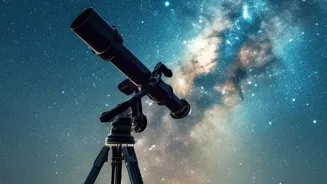
rising in the east as evening falls. It will be visible all night long, tracking across the sky. Even a basic pair of binoculars might give you a hint of its elongated shape, but a small telescope will reveal its magnificent rings. Joining Saturn is the undisputed king of planets, Jupiter. It rises a bit later in the evening, but you can’t miss its dazzling, silver-white light. Jupiter easily outshines every star in the sky. Throughout the night, it follows Saturn’s path across the celestial dome. If you have binoculars, you might even be able to spot its four largest moons—Io, Europa, Ganymede, and Callisto—appearing as tiny pinpricks of light huddled close to the planet.
Follow the Archer to the Milky Way
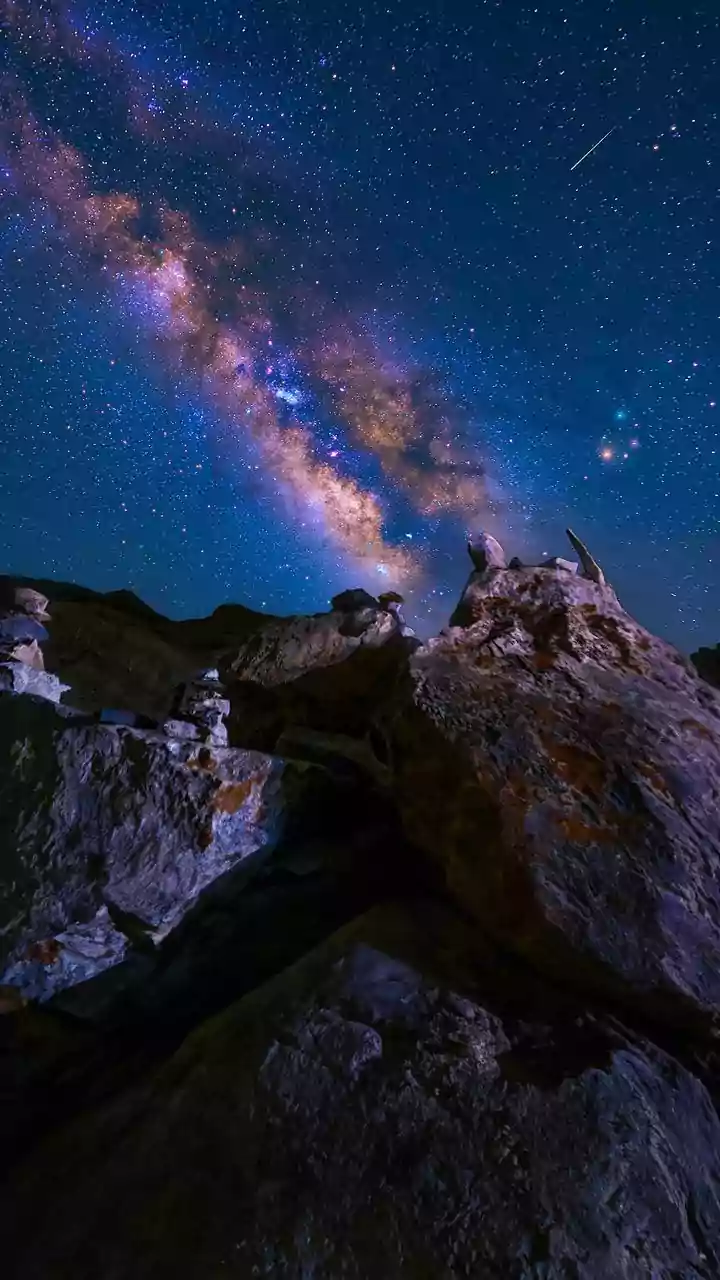
Dominating the southern sky during August nights are the constellations Sagittarius and Scorpius. Don't worry if you can't trace the official figures; just look for their most recognizable parts. For Sagittarius, that's a prominent asterism known as the 'Teapot'. It looks just like its namesake, with a handle, lid, and spout, sitting low in the south. To its right, you’ll find the fiery red star Antares, which marks the heart of Scorpius, a constellation that forms a distinct J-shaped hook of stars. Finding the Teapot is more than just a fun exercise in pattern recognition. Its spout points directly toward the densest, brightest part of our own galaxy, the Milky Way. From a location with dark skies, you'll see this region as a luminous, hazy cloud of countless distant stars, stretching upwards from the southern horizon. It’s one of the most awe-inspiring sights available to the naked eye.
Catch the Last of the Summer Meteors
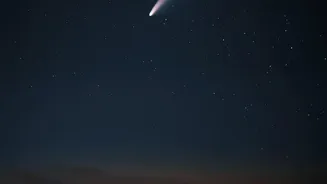
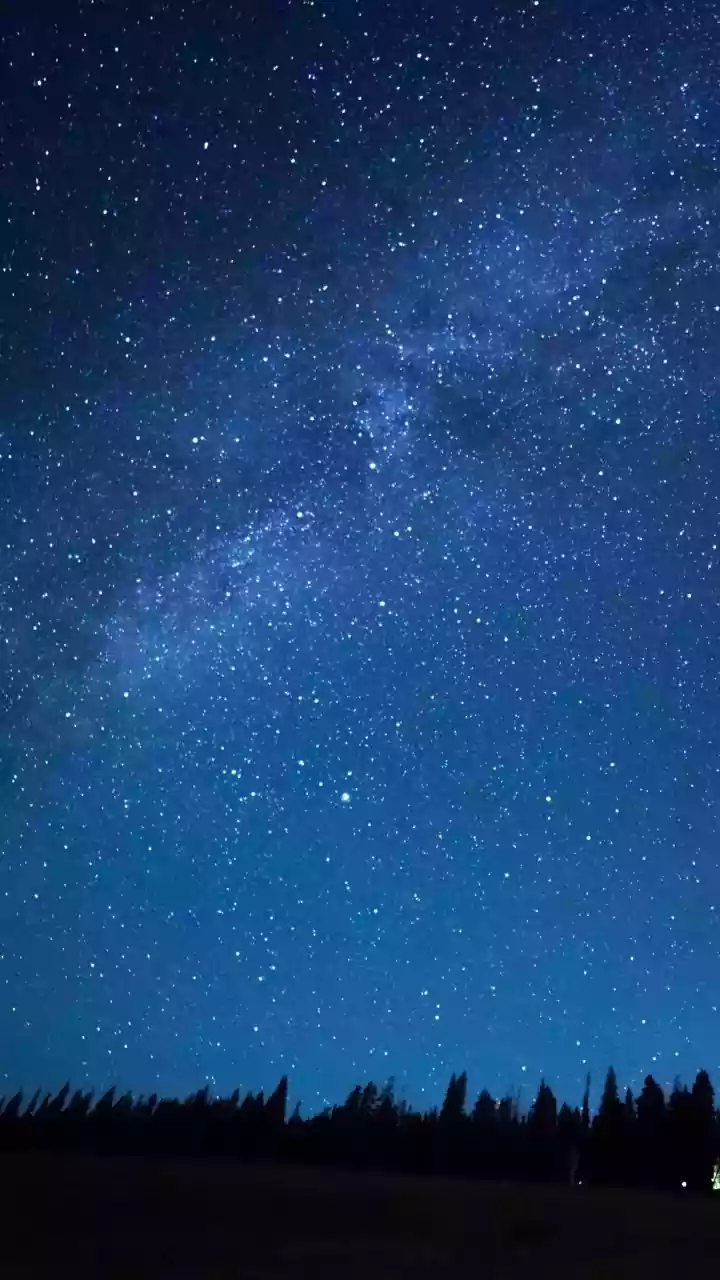
You may have heard about the spectacular Perseid meteor shower, which peaked in mid-August under ideal moonless conditions. While the main event has passed, the shower remains active until the last week of August. This means you still have a chance to catch a few 'falling stars' as Earth travels through the tail end of the debris stream left by Comet Swift-Tuttle. The best time to look is after midnight, once the sky is at its darkest. Find a comfortable spot, lie back, and gaze toward the northeast. While you won't see the peak rate of nearly a hundred meteors per hour, seeing a few bright Perseids streaking across the star-filled sky is a magical experience and a perfect way to cap off a night of stargazing.
Your Guide to a Perfect Viewing Night
Seeing these celestial wonders is easier than you might think. The most important step is to escape bright city lights. Even a short drive to a darker suburban or rural area can dramatically increase the number of stars you can see. Places like the Rann of Kutch, Spiti Valley, or high-altitude spots in Coorg are famous for their dark skies, but any local park or open field away from streetlights will improve your view. Once you're at your spot, give your eyes about 20 to 30 minutes to fully adapt to the darkness; you'll be amazed at how many more stars appear over time. Resist the urge to look at your bright phone screen, as it will instantly ruin your night vision. If you need a light, use a torch with a red filter. While everything mentioned here is visible to the naked eye, a pair of binoculars will enhance the view of planets and star fields considerably, making the experience even more memorable.