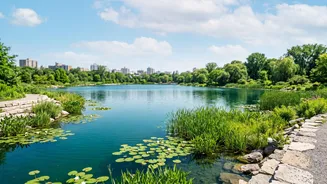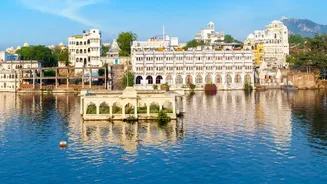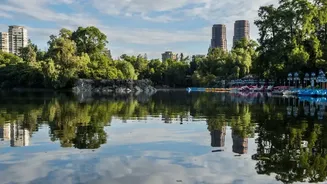







That lake in the middle of the city is more than just a pretty view. Often overlooked, these urban water bodies are hardworking ecosystems, silently performing a crucial function: naturally filtering the water that flows through our towns.
The Urban Pollution Problem
Cities are dominated
by impervious surfaces like roads, rooftops, and parking lots. When it rains, water doesn't soak into the ground as it would in a forest. Instead, it becomes stormwater runoff, washing over these surfaces and collecting a cocktail of pollutants. This includes everything from oil and heavy metals from vehicles to pesticides and fertilisers from gardens, and litter. This contaminated water often flows directly into drainage systems and, eventually, into local rivers and lakes, posing a threat to aquatic life and overall water quality. Without a natural buffer, our urban water bodies can quickly become overwhelmed with pollutants.
How Lakes Act as Nature's Kidneys
An urban lake functions much like a kidney for the city's water system. When polluted runoff enters a lake, the water's flow slows down dramatically. This simple physical change allows heavier particles and contaminants to settle to the bottom through a process called sedimentation. This is the first and most basic step of purification. Heavier pollutants, often bound to soil particles, are trapped in the lakebed sediment, effectively removing them from the water column where they could cause the most harm. This process is crucial for sequestering contaminants and preventing them from flowing further downstream.
The Biological Cleanup Crew
The real magic happens at a microscopic level, thanks to a process called bioremediation. Lakes are teeming with beneficial bacteria and microorganisms that see pollutants as a food source. These tiny organisms break down complex organic pollutants and excess nutrients, like nitrogen and phosphorus, into simpler, less harmful substances. Furthermore, the aquatic plants along the shoreline and within the lake play a vital role in what is known as phytoremediation. Their root systems trap sediment, while the plants themselves absorb excess nutrients that would otherwise fuel harmful algal blooms. Species like water hyacinth and certain reeds are so effective at this that they are sometimes used specifically for bioremediation projects.
More Than Just Clean Water
The benefits of a healthy urban lake extend far beyond water filtration. They are vital green (and blue) spaces that enhance urban biodiversity, providing habitats for birds, fish, and insects. These water bodies also help mitigate the urban heat island effect, moderating local temperatures. Restored and well-maintained lakes often become hubs for community recreation and can even lead to increased property values in the surrounding areas. They act as natural sponges during heavy rainfall, helping to control stormwater and reduce the risk of localised flooding. In essence, they are multi-purpose assets that make cities more resilient and liveable.
Challenges and Our Role
Despite their natural abilities, urban lakes are not invincible. They can be overwhelmed by high levels of pollution, leading to a state called eutrophication, where excessive nutrients cause explosive algae growth. This depletes oxygen in the water, creating 'dead zones' that harm fish and other aquatic life. These lakes are also vulnerable to contamination from industrial discharge, untreated sewage, and the introduction of invasive species. Therefore, protecting these ecosystems requires active management, including controlling pollution at its source, restoring native vegetation along shorelines, and sometimes implementing engineered solutions to support their natural processes.