






The Quest for Stable Internet
For any digital nomad, Wi-Fi is the lifeline. In Gangtok, connectivity is surprisingly robust, but it pays to be prepared. The most reliable mobile networks in the main city are Jio and Airtel, both offering decent 4G and even 5G services in many areas.
However, it's a wise strategy to carry SIM cards from two different providers—a Jio and BSNL combination is often recommended for wider coverage if you plan to explore beyond the city. Many hotels and homestays offer fibre broadband, but you must confirm this with your host before booking, as quality can vary. Be mindful of the weather; heavy rain or winter snow can occasionally disrupt both mobile and broadband signals. For mission-critical work, a portable Wi-Fi dongle with a prepaid data plan provides a solid backup.
Your Office with a Mountain View
Once your internet is sorted, you need a comfortable place to work. Gangtok's cafe culture is vibrant, and many establishments on or near the popular MG Marg are laptop-friendly, offering plug points and a peaceful ambience. For those who require a more formal setup, Gangtok is home to dedicated co-working spaces. Sanctorum, the city's first major coworking hub, offers everything from hot desks to private meeting rooms with fibre internet, a podcast studio, and endless coffee. Other providers like My Branch also have a presence in the city. Day passes and monthly plans are usually available, making it a flexible option for short or long stays. Alternatively, many remote workers opt for a well-vetted homestay. A good host will not only provide a desk and reliable Wi-Fi but also invaluable local advice.
Navigating the Mountain Roads
Getting around Gangtok and its surroundings is an adventure in itself. Within the city, local transport is dominated by small taxis, which operate on fixed routes and rates. Shared taxis are a common and economical way to travel between key points. The main town centre, especially the pedestrian-only MG Marg, is best explored on foot. For sightseeing trips to places like Tsomgo Lake or Nathu La, you'll need to book a dedicated tourist vehicle, typically an SUV, from a registered local operator. It's advisable to arrange these trips at least a day in advance, as permits are often required for restricted areas. While bus services operated by Sikkim Nationalised Transport (SNT) connect Gangtok to other towns and states, taxis remain the primary mode of transport for local and sightseeing travel.
Life Beyond the Laptop
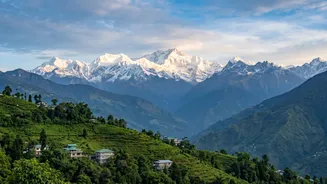
A successful workation is as much about the 'cation' as it is about the work. The best times to visit Gangtok are during the spring (March to June) and autumn (September to November), when the weather is pleasant and skies are clear, offering stunning views of the Himalayas. If you're arriving from a lower altitude, give yourself a day or two to acclimatise before diving into a heavy work schedule. Power cuts, though not frequent in the main city, can happen during bad weather, so having a power bank for your devices is a good idea. Once you log off for the day, the city offers a wealth of experiences, from exploring serene monasteries and bustling local markets to savouring delicious Sikkimese cuisine. Planning weekend excursions to nearby destinations like Pelling or a group tour to North Sikkim can round out your mountain experience perfectly.