




In the quest for healthier eating, the debate between honey and sugar is a classic. One is a natural product from bees, the other a refined crystal. But is one truly better? The answer isn't just about which you choose, but how much you use.
The Calorie and Sweetness Equation
On the surface,
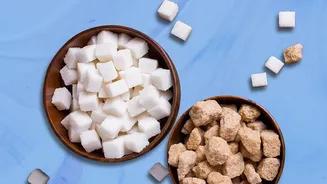
comparing honey and sugar by volume can be misleading. A tablespoon of honey contains about 64 calories, while a tablespoon of granulated sugar has around 49. This is partly because honey is denser. However, honey is generally perceived as being sweeter than sugar, mainly due to its higher concentration of fructose. This increased sweetness can be an advantage for portion control, as you might find you need less honey to achieve the same level of sweetness you would get from sugar. So, while honey is more caloric spoonful-for-spoonful, using less of it could potentially even out or even reduce your total calorie intake.
A Look at the Nutritional Makeup
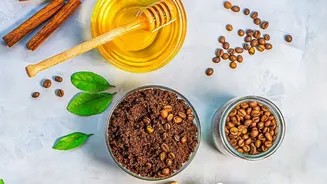
Here lies the most significant difference. Table sugar, or sucrose, is a simple carbohydrate made of 50% glucose and 50% fructose bonded together. After processing, it contains no vitamins, minerals, or beneficial compounds—it provides 'empty calories'. Raw honey, on the other hand, is a more complex substance. It consists mainly of separate fructose and glucose molecules but also contains trace amounts of B vitamins, minerals like potassium and iron, enzymes, and amino acids. Crucially, dark, raw honey is a source of antioxidants like flavonoids and phenolic acids, which have anti-inflammatory properties. While these nutrients are present in very small quantities, they are entirely absent from refined sugar.
Impact on Blood Sugar Levels
The Glycemic Index (GI) measures how quickly a food raises blood sugar levels. Table sugar has a GI of around 65, while honey’s is typically lower, averaging about 58. This means honey may raise your blood sugar slightly more slowly than sugar does. The difference is attributed to honey's higher fructose content and the presence of other compounds that moderate its absorption. However, this difference is modest. For anyone, especially people with diabetes, both honey and sugar are high-GI foods that significantly impact blood sugar and should be consumed with caution and in moderation.
The Real Winner: Portion Control
While raw honey offers minor nutritional advantages over sugar, both are classified as 'free sugars'. Health organisations worldwide recommend limiting the intake of these sugars. The Dietary Guidelines for Americans, for example, suggest that added sugars should make up less than 10% of your daily calories, which is about 50 grams for a 2,000-calorie diet. Some health bodies recommend even stricter limits, closer to 25-30 grams per day. Whether you choose honey for its trace nutrients or sugar for its lower calorie count per tablespoon, the primary health goal is to reduce your overall consumption of all added sweeteners. Overconsumption of either can contribute to health issues like weight gain, heart disease, and type 2 diabetes.
Making an Informed Choice
If you are going to use a sweetener, raw honey is arguably the more wholesome choice because it is less processed and contains beneficial compounds that sugar lacks. It can also serve as a prebiotic, feeding good bacteria in your gut. However, these benefits do not make it a 'health food' that can be consumed without limits. The key is mindfulness. Pay attention to how much sweetener you add to your tea, coffee, oatmeal, or baked goods. Try gradually reducing the amount you use. Your taste buds can adapt over time, and you might find that you enjoy your food and drinks just as much with less sweetness, regardless of the source.