






From Itinerary to Intention
For generations, a successful holiday was measured by a checklist: the number of cities visited, monuments photographed, and relatives appeased. The modern wellness getaway flips that script entirely. Instead of focusing on what you see, the emphasis
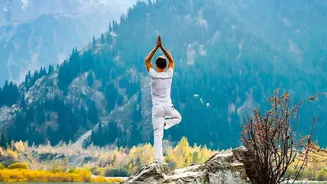
is on how you feel. It is a trip defined not by a destination, but by an intention: to reset, recharge, and reconnect with oneself. This can take many forms, from structured yoga and meditation programs in the Himalayas to Ayurvedic healing in Kerala. Some are immersive digital detoxes where phones are surrendered at the door, while others focus on mindful activities like forest bathing, art therapy, or simply enjoying farm-to-table meals in nature. The goal is no longer to come back with a camera full of photos, but with a sense of inner balance that was impossible to find amidst city life.
The Burnout Generation Seeks a Breather
So, why the sudden shift? The answer lies in the realities of modern urban life. Young professionals in India are navigating high-pressure careers, constant digital connectivity, and the lingering mental fatigue from the pandemic. This has created a generation acutely aware of burnout and actively seeking remedies. Wellness travel is seen not as an indulgence but as a necessary investment in mental and emotional health. Reports show that young travelers are increasingly planning trips with the explicit goal of relaxation and doing nothing at all. It's a proactive approach to well-being, treating a holiday as a tool for recovery rather than another source of stress. This marks a significant cultural change, where mental clarity and emotional balance are becoming aspirational goals in themselves.
Redefining a 'Good' Holiday
This trend also reflects a deeper change in values, moving from conspicuous consumption to a desire for meaningful experiences. While the perfect Instagram post still holds sway, the definition of a flex-worthy vacation is expanding. It's less about the exotic location and more about the transformative experience. This is part of a broader shift where Gen Z and millennials prioritize travel that feels personal and unique, not pre-packaged. According to recent surveys, a significant number of young travelers are now choosing destinations based on the stay itself—a unique eco-lodge or a retreat with a specific program—rather than the location's popularity. They are seeking authenticity and are willing to travel to find it, turning wellness into a new form of cultural currency.
India's Wellness Corridor
Fortunately, India is perfectly positioned to cater to this demand, leveraging its ancient traditions of holistic health. The country has long been a global hub for wellness, but now domestic travelers are exploring its riches with newfound enthusiasm. Rishikesh in Uttarakhand remains the undisputed 'Yoga Capital of the World', attracting those looking for spiritual and physical alignment. Kerala, the cradle of Ayurveda, offers world-class rejuvenation therapies in serene backwater and coastal settings. Destinations like Dharamshala provide a backdrop for mindfulness and meditation, while quieter spots in Goa, Karnataka, and even Rajasthan are offering boutique wellness experiences that go beyond the typical tourist trail. This has created a vibrant wellness corridor across the country, with options ranging from luxurious palace resorts to rustic, back-to-nature ashrams.
The Industry Responds
The travel and hospitality industry has been quick to notice this lucrative shift. Wellness tourism is one of India’s fastest-growing travel segments, with a market value expected to climb significantly in the coming years. In response, hotels and travel operators are moving beyond simply having a spa. They are curating entire wellness-focused experiences, from mindful dining menus and expert-led workshops to integrated health consultations. Some luxury properties are now positioned not just as hotels, but as comprehensive wellness destinations in their own right. This has also fueled a rise in specialized retreats focusing on everything from digital detoxes to preventive health, making wellness not just a travel trend, but a dominant force shaping the future of Indian tourism.