


The September Weather Showdown
September is a month of change in Southeast and South Asia. For travellers, this means that picking the right spot is crucial. Vietnam's weather story is one of regional diversity; while one part of the country is entering a beautiful, dry autumn, another
is navigating the tail-end of its rainy season. Sri Lanka, on the other hand, operates on a dual-monsoon system. In September, while the popular south and west coasts are still experiencing the Southwest Monsoon, the east and north are often basking in glorious sunshine. This makes your choice less about which country is 'better' and more about which part of the country aligns with your holiday goals.
Vietnam: A Tale of Three Regions
Vietnam in September isn't a single weather story; it’s a trilogy. Northern Vietnam, including Hanoi, Sapa, and Ha Giang, is arguably at its peak. The monsoon rains are receding, humidity drops, and comfortable temperatures make it perfect for exploring Hanoi's Old Quarter or witnessing the spectacular golden rice terraces during harvest season in places like Mu Cang Chai. Central Vietnam, home to Hoi An and Da Nang, is more of a gamble. This region enters its rainy season, with an increased risk of heavy rain and typhoons, especially from the middle of the month onwards. Meanwhile, Southern Vietnam, including Ho Chi Minh City and the Mekong Delta, is still in its wet season. However, the rain often comes in short, heavy afternoon bursts, leaving mornings clear for activities.
Sri Lanka: Follow the Sun to the East
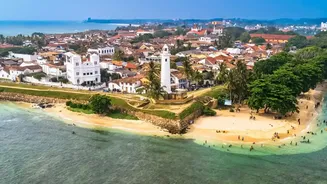
Sri Lanka’s weather in September is a clear case of heading in the right direction. The Southwest Monsoon, which affects areas like Galle, Bentota, and Colombo, is still active, leading to humid conditions and frequent showers. This makes beach holidays on the south and west coasts less than ideal. However, the story is completely different on the opposite side of the island. The east and northern coasts, including destinations like Trincomalee, Pasikudah, and Arugam Bay, are in their dry season. Here you can expect plenty of sunshine, calm seas, and perfect beach weather, making it an excellent choice for sun-seekers, divers, and surfers. Arugam Bay, in particular, still offers great surfing conditions at the tail end of its peak season.
Activities and Attractions: What’s on the Agenda?
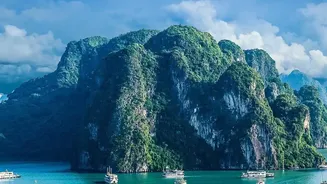
Your choice of activities will be heavily influenced by these weather patterns. In Vietnam, a September trip is ideal for cultural and trekking adventures in the north. You can enjoy a cruise on Halong Bay with clearer skies or explore the stunning landscapes of Ninh Binh. In Sri Lanka, the focus shifts to the east coast's aquatic offerings. Snorkeling and diving around Pigeon Island near Trincomalee are prime activities, as are safaris in national parks like Minneriya, famous for its large gathering of elephants. The Cultural Triangle, including sites like Sigiriya and Polonnaruwa, is also generally hot and dry, making it great for sightseeing without the peak season crowds.
Crowds, Costs, and Final Considerations
September is considered a shoulder season for both countries, which translates to significant benefits for travellers. You can generally expect fewer crowds at major attractions and more competitive pricing for flights and accommodation. In Vietnam, the north is popular for the rice harvest, but it's less crowded than the peak international tourist season. In Sri Lanka, you'll find the popular eastern beaches to be much quieter than during the height of summer in July and August. Ultimately, the decision comes down to your travel priorities. If your vision for September includes lush mountain scenery, golden rice fields, and cultural exploration in pleasant temperatures, Northern Vietnam is a standout choice. If guaranteed sunshine, pristine beaches, and world-class surfing or diving are non-negotiable, then Sri Lanka's east coast is the clear winner.