





The Real Problem: Heat, Humidity, and Pollution
For decades, many beauty products sold in India were global formulations designed for cooler, drier Western climates. These often fail spectacularly when faced with the realities of Indian weather. The key challenges are a combination of high heat, which
can break down product formulas; extreme humidity, which prevents products from setting and makes everything feel heavy; and high levels of urban pollution that cause oxidative stress and skin damage. This trifecta means foundation can slide off, sunscreens feel thick and greasy, and moisturisers can clog pores. The Indian climate, from coastal humidity to northern heatwaves, presents a unique stress test that standard product development has often ignored. This is why a lightweight product in Europe might feel like a heavy mask in Mumbai or Chennai.
What Is This 'Climate Test'?
The "climate test" is not a single government-mandated regulation but rather a new, industry-led approach to research and development. Brands are now simulating Indian environmental conditions—like high heat and 80-90% humidity—in their labs to see how formulations perform. This goes beyond standard stability testing, which only ensures a product doesn't spoil on the shelf. This new benchmark involves checking if a product’s texture, effectiveness, and wear-time hold up under real-world stress. A growing number of homegrown Indian brands are building their entire philosophy around this, creating products from the ground up for Indian skin and climate, rather than adapting international formulas. They recognize that what works in a lab in Paris may not work during a Delhi summer.
Smarter Skincare for Indian Skin
The most significant changes are happening in skincare. In response to humidity and heat, brands are shifting away from heavy, oil-based creams towards lightweight, breathable textures. Gel and water-based moisturisers, which provide hydration without greasiness, are becoming the norm. Ingredients like hyaluronic acid for lightweight hydration and niacinamide for oil control are now staples in formulations designed for India. There's also a rising focus on 'barrier repair' to protect skin from urban pollutants, with serums and sunscreens now including antioxidants to fight free radical damage. Sunscreens themselves have evolved, with brands offering 'ultra-light' and 'sweat-proof' formulas that provide high SPF without feeling sticky or leaving a white cast.
Makeup That Actually Lasts
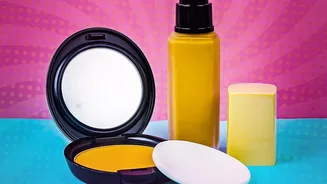
On the makeup front, the goal is longevity in the face of sweat and humidity. The biggest innovation is in base makeup. Brands are launching 'sweat-proof' and 'humidity-resistant' foundations, often in lightweight skin tint or stick formats that adhere better to the skin than heavy liquids. These products often use film-forming polymers that create a flexible, water-resistant layer on the skin. Primers are also gaining prominence as a crucial step to control oil and give foundation something to grip onto. Beyond the base, you'll find an increase in waterproof mascaras, smudge-proof kajals, and transfer-resistant liquid lipsticks designed to withstand a long, hot day. The new rule is to use thin, buildable layers, as one heavy coat is more likely to melt and slide.
Why This Matters for You
This shift towards climate-specific products is a direct response to a more discerning Indian consumer who understands ingredients and demands performance. It signals a move away from a one-size-fits-all global approach to a more thoughtful, localized one. For you, this means access to more effective and comfortable products that are genuinely suited to your life and environment. It empowers you to build a routine that works with the climate, not against it. When shopping, look for keywords like 'climate-adaptive', 'humidity-resistant', 'sweat-proof', or 'tested for Indian conditions' to find products born from this new, smarter approach to beauty.