




From Quick Bites to Fine Plates
The familiar taste of Indian snacks is evolving. Legacy brands, long associated with packaged bhujia, namkeen, and sweets, are now betting big on the global dining scene. This isn't about simply expanding their quick-service outlets; it's a strategic
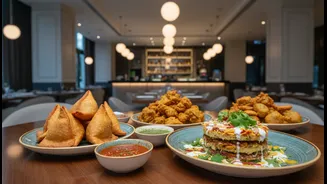
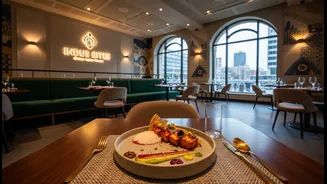
leap into full-service, casual dining restaurants in prime international locations like London, Dubai, and New York. A prime example is Haldiram's, which recently launched a 120-seat restaurant in London's bustling Leicester Square in June 2026. The launch saw long queues, signaling a massive appetite for authentic Indian dining experiences among both the Indian diaspora and global foodies. This move mirrors the journey of brands like Bikanervala, which has already established a restaurant footprint across the UAE, USA, Canada, and the UK.
A Recipe for Brand Evolution
Why would a successful snack manufacturer venture into the notoriously difficult restaurant industry? The strategy is about more than just food; it's a sophisticated business evolution. First, it offers significantly higher profit margins compared to retail snacks. Second, it’s a powerful form of experiential marketing. A customer might buy a packet of snacks weekly, but a restaurant visit creates a memorable, immersive brand experience. This strategy turns loyal snack buyers into high-value diners, essentially using the packaged goods on supermarket shelves as a widespread, constant advertisement for the dining experience. By controlling the entire journey from factory to table, these companies can present a more premium, authentic, and controlled version of their brand to the world.
Serving Indian Culture on a Global Table
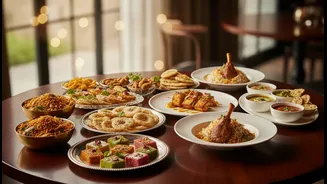
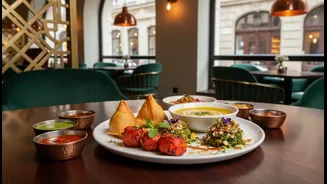
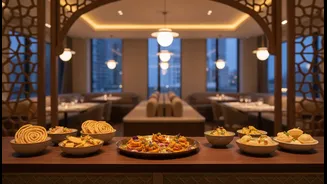
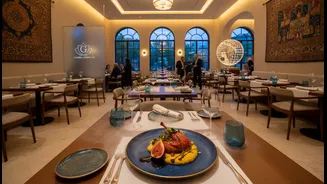
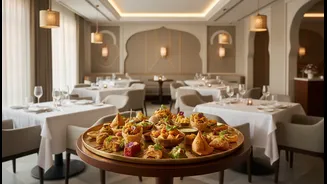
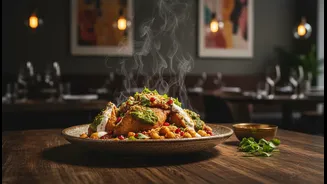
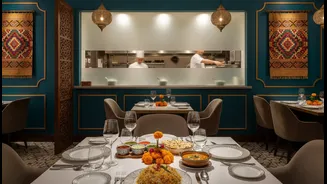
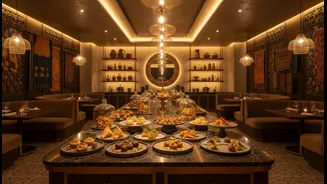
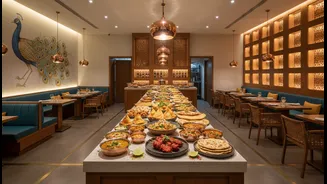
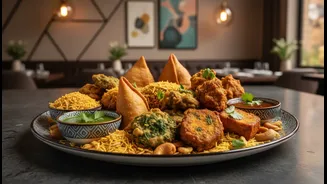
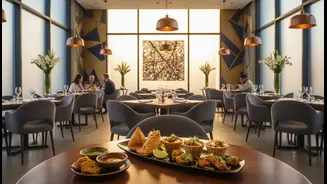
These new restaurants are carefully crafted to serve as cultural embassies. The Haldiram's in London, for example, is not just a larger outlet but a 3,000-square-foot venue with interiors that blend Indian heritage with contemporary design, aiming for an atmosphere of quiet luxury. The menu is a curated mix of nostalgia and innovation. While classics like chole bhature and raj kachori remain central to the offering, chefs are also creating fusion desserts designed specifically for local palates. This approach allows the brands to cater to the diaspora's craving for a taste of home while making Indian cuisine accessible and exciting for a new international audience. Many new outlets also feature integrated retail sections, allowing diners to purchase the brand’s packaged sweets and snacks, creating a seamless hybrid experience.
The Calculated Risks and High Stakes
The transition from product manufacturing to hospitality is not without its challenges. The restaurant business requires a completely different skill set, involving intensive service, managing fresh inventory, and fierce local competition. Success depends on maintaining consistent quality and service across continents, a major operational undertaking. Furthermore, brands must strike a delicate balance between authenticity and local adaptation. Stray too far from the original taste, and they risk alienating their loyal diaspora base. Remain too traditional, and they might fail to attract a broader international clientele. The leadership for these ventures often comes from the next generation of the founding families, who bring a global perspective while understanding the brand's legacy.