





An Anxious Wait for Farmers
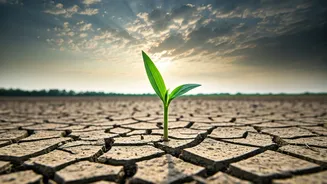
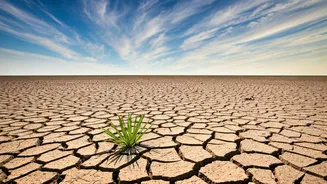
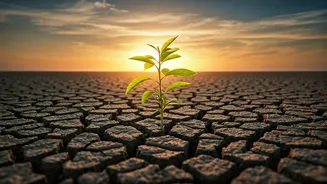
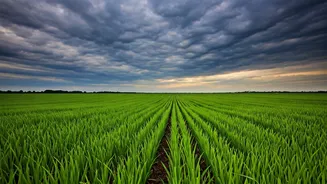
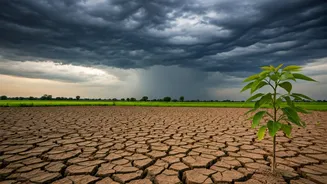
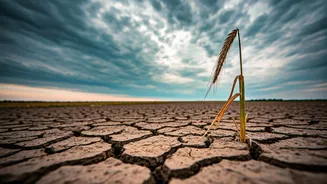
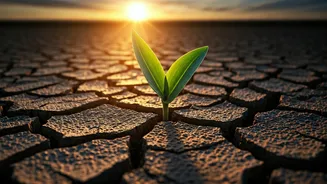
For India's agricultural sector, July is the most critical month. The sowing of rain-fed kharif crops, including rice, pulses, and oilseeds, peaks during this period. A deficit in rainfall can severely disrupt this cycle. Following a deficient June, kharif sowing has
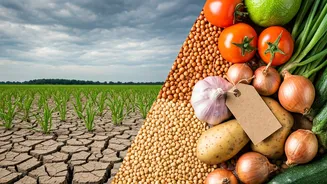
already seen a significant drop compared to last year. The latest agriculture ministry data showed a 23% decline in the total area under cultivation, with paddy acreage down by over 25%. This directly impacts the livelihoods of millions of farmers who depend on a good harvest. A poor yield not only reduces farmers' incomes but also threatens food security and can lead to a greater reliance on imports to meet domestic demand.
The Ripple Effect on the Economy
The fate of the monsoon is intricately linked to the nation's economic health. A struggling agricultural sector has a cascading effect across the economy. Lower farm incomes lead to reduced rural spending on consumer goods, tractors, and two-wheelers, dampening overall demand. Furthermore, lower crop production can fuel food price inflation, putting a strain on household budgets and complicating the Reserve Bank of India's efforts to manage monetary policy. Economists warn that a combination of a weak monsoon and other geopolitical pressures could pose downside risks to India's GDP growth projections.
Strain on Water and Power Supplies
The monsoon doesn't just water the crops; it replenishes the country's major reservoirs. These water bodies are vital for drinking water supplies in numerous cities and for generating hydroelectric power. A dry July, following an already weak June, means reservoir levels may not be adequately topped up. Some regions, particularly in southern India, are already facing storage levels that are significantly lower than last year. This puts pressure on urban water supplies and can lead to restrictions. It also affects power generation, as lower water levels in dams reduce the capacity of hydropower projects, which are a key source of electricity. This could force a greater reliance on more expensive gas-based power to meet demand, especially during evening peaks.
Health and Temperature Concerns
A dry spell is often accompanied by other environmental shifts. The IMD has also forecast that maximum temperatures are likely to remain above normal across most of India during July. This combination can increase health risks. While a wet monsoon brings its own set of health challenges like water-borne diseases, a prolonged dry and hot period can lead to issues like dehydration and heat stress. Moreover, changes in humidity and temperature can exacerbate respiratory conditions for vulnerable individuals. The overall shift in weather patterns underscores the growing challenge of climate variability, where communities have to manage both the risks of too little and too much rain within the same season.