


What Exactly Is a Hip Hinge?
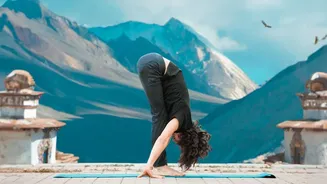
A hip hinge is a foundational movement that involves bending forward from the hip joints while keeping the spine long and neutral. Imagine your body folding like a book, with the crease at your hips. This is profoundly different from the much more common,
but less effective, habit of rounding the spine to bend over. When you round your back, the movement comes from your waist and vertebrae, putting stress on the sensitive discs of the lumbar spine. A proper hip hinge, however, isolates the movement to the powerful ball-and-socket joints of your hips, engaging the glutes and hamstrings to control the motion.
Why It's a Game-Changer for Forward Bends
For a pose like Paschimottanasana, the goal is to create an intense stretch along the entire back side of the body, particularly the hamstrings. When you initiate the fold by rounding your back, you cheat your hamstrings out of the stretch and place undue strain on your lower back. This can lead to discomfort or even injury. By mastering the hip hinge, you ensure that the fold comes from the correct place. This protects your spine, allows for a much deeper and more targeted stretch in the hamstrings, and creates space in the torso for better breathing and organ stimulation.
How to Isolate and Practice the Hinge
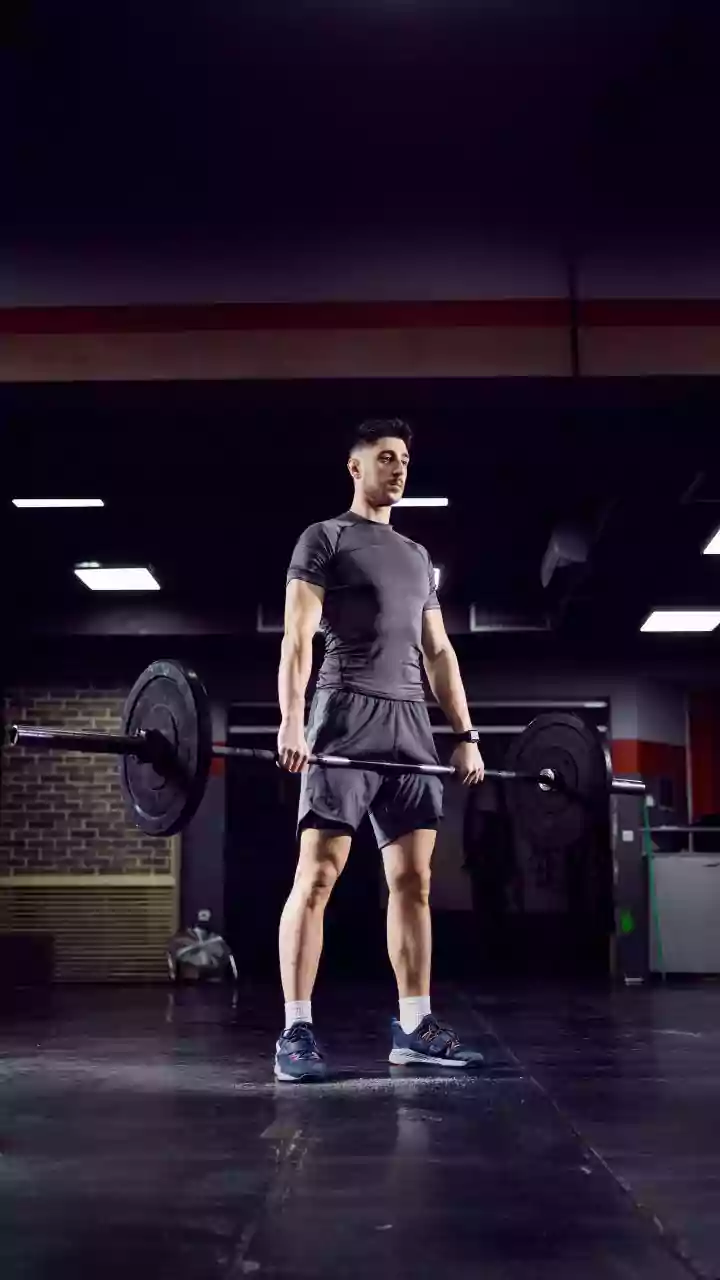
Before you even get on the mat, you can practice the feeling of a hip hinge. Stand with your feet hip-width apart and a soft bend in your knees. Place your fingertips in the creases of your hips. Now, think about pushing your hips directly backward as if trying to tap a wall behind you. Your chest will naturally lower toward the floor, but focus on keeping your back straight and your core engaged. Only go as far as you can without your back starting to round. To return to standing, squeeze your glutes and press your hips forward. This simple drill teaches your body to separate hip movement from spinal movement.
Applying the Hinge to Paschimottanasana
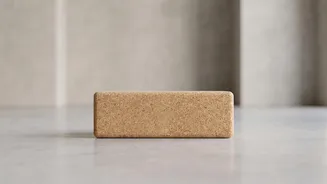
Now, let's bring it to the Seated Forward Bend. Sit on your mat with your legs extended in front of you. It's helpful to sit on the edge of a folded blanket or block to elevate your hips slightly; this automatically tilts the pelvis forward and makes hinging much easier. Inhale to sit up tall, lengthening your spine. As you exhale, begin to fold forward, leading with your chest, not your head. Remember the feeling of sending your hips back. Keep your spine as long as possible for as long as possible. Your hands can walk forward on the mat, or you can hold a strap around your feet to maintain length without pulling.
Listen to Your Body: Modifications are Key
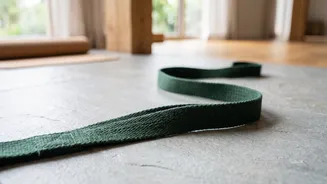
A common mistake is forcing the pose to look a certain way, often by rounding the back to touch the toes. This defeats the purpose. The most important modification is to bend your knees generously. Bending your knees releases tension in the hamstrings, freeing up your pelvis to tilt forward properly. This allows you to rest your torso on your thighs, keeping the spine long and still getting a beneficial hamstring stretch. A strap can also be an invaluable tool, allowing you to maintain a connection to your feet without sacrificing the integrity of your straight back. Remember, a supported, hinged forward fold is far more beneficial than a deeply rounded, strained one.