




The Tea You Haven't Met Yet
Nilgiri tea, often called the 'third sibling' to India's more famous Darjeeling and Assam varieties, is a hidden gem from the country's southern Blue Mountains (or 'Nilgiris'). These teas are grown at high altitudes, where the unique climate allows for
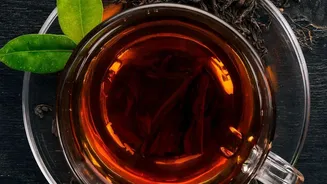
year-round harvesting, ensuring a consistent freshness. What makes 'orthodox' Nilgiri special is the traditional, handcrafted production method. Unlike industrial CTC (Crush, Tear, Curl) processing used for many commodity tea bags, the orthodox method carefully rolls and preserves the whole tea leaf. This artisanal approach protects the leaf's delicate chemical compounds, resulting in a more nuanced and aromatic brew. The flavor profile is distinct: bright, fragrant, and exceptionally smooth, with delicate floral and fruity notes and a naturally sweet finish.
Why the Cold Brew Method Is a Game Changer
While you can enjoy Nilgiri tea hot, its true potential for summer is unlocked through cold brewing. This technique involves steeping the tea leaves in cold or room-temperature water for an extended period—typically 6 to 12 hours. This slow, gentle infusion is fundamentally different from simply chilling hot-brewed tea. When you brew tea with hot water, it extracts compounds called tannins more aggressively, which can lead to a bitter or astringent taste. Cold water, on the other hand, coaxes out the flavor more gradually, leaving many of those harsher tannins behind. The result is a drink that is remarkably smooth, naturally sweeter, and carries absolutely no bitterness. In fact, Nilgiri teas are prized for their exceptional performance in cold brews because they don't cloud up or turn bitter, creating a crystal-clear and refreshing beverage every time.
More Than Just Refreshing Hydration
The claim of being a 'healthy' summer drink is where Nilgiri cold brew truly shines. First, the cold brew process extracts significantly less caffeine than hot brewing, providing a gentle lift without the jitters. This makes it a perfect all-day sipper. Second, it's naturally sweet, meaning you don't need to add sugar or sweeteners to make it palatable, cutting out the empty calories found in most commercial iced teas, sodas, and juices. Most importantly, tea is rich in powerful antioxidants called flavonoids and catechins. The gentle cold brew method may even be better at preserving some of these beneficial compounds. These antioxidants help protect the body, while other compounds in the tea, like L-theanine, can promote a sense of calm and relaxation.
Crafting Your New Summer Ritual
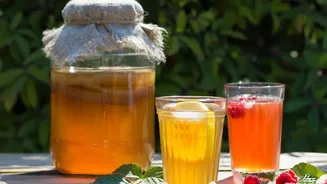
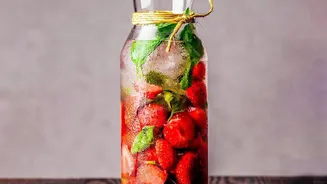
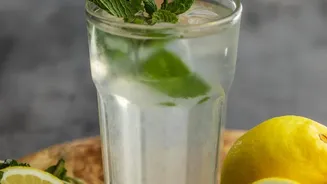
Making your own artisanal cold brew is surprisingly simple. All you need is a large pitcher or jar, filtered water, and high-quality loose-leaf Nilgiri orthodox tea. A good starting ratio is about one to two tablespoons of tea per quart of water. Combine the tea and water, cover the pitcher, and let it steep in the refrigerator for at least eight hours or overnight. In the morning, simply strain the leaves out, and you'll have a pitcher of pristine, ready-to-drink cold brew. You can customize it with a slice of lemon, a sprig of mint, or some fresh berries, but it’s often best enjoyed plain to appreciate its delicate natural flavors. Compared to other summer drinks, it offers complexity without heaviness, refreshment without sugar, and a touch of craft you can easily master at home.