






The Search for Something More
For a new generation of travellers, the definition of a perfect mountain getaway is changing. The all-inclusive package deals and predictable itineraries of commercial resorts are losing their charm. Young travellers, particularly Gen Z and millennials,
are increasingly seeking authentic and transformative experiences instead of just ticking off a list of popular tourist spots. The hustle of modern life, coupled with significant workplace burnout, has fuelled a desire for holidays that genuinely rejuvenate rather than exhaust. This has led many to question the value of crowded, high-cost destinations that can often feel impersonal and disconnected from the local culture. Over-tourism in places like Manali and Shimla is pushing travellers to seek quieter, lesser-known alternatives where they can truly unwind.
The Pull of the Purposeful Path
In place of commercial glamour, spiritual and slow-travel routes are emerging as a powerful draw. Recent reports show a significant increase in searches for destinations like Dharamshala and Rishikesh, places known for wellness, reflection, and connection with nature. One report noted a 154% year-on-year increase in searches for Dharamshala, a town renowned for its Tibetan Buddhist heritage and meditation centres. These journeys prioritise depth over distance, encouraging travellers to immerse themselves in local culture, support local businesses, and minimise their environmental footprint. The appeal isn't just about escaping crowds; it's about engaging with a place on a deeper level—whether through a yoga retreat, a stay in a local homestay, or a trek through serene landscapes.
What is Spiritual Slow Travel?
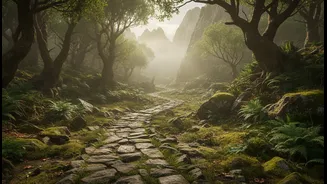
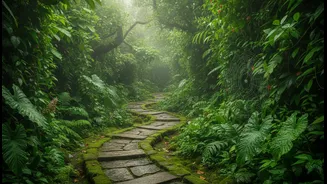
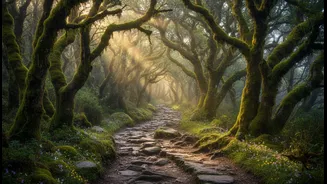
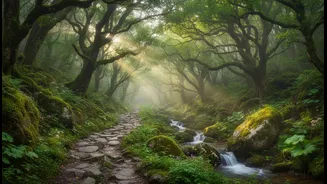
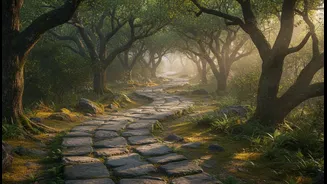
Spiritual travel in the Indian Himalayas is no longer just for pilgrims. Treks to places like Kedarnath, Hemkund Sahib, and Triund are attracting young adventurers seeking both a physical challenge and a sense of inner peace. These routes, which wind through ancient forests and past remote monasteries, offer a profound sense of solitude and connection to nature. Slow travel complements this by encouraging longer stays in a single location, allowing travellers to absorb local rhythms rather than rushing between cities. It’s a philosophy that values experiences over sightseeing lists, fostering genuine connections with communities and landscapes. This can mean anything from learning to cook with a local family to simply spending an afternoon in a quiet village cafe.
A Reflection of Changing Values
This trend is more than just a passing phase; it’s a direct reflection of the evolving values of young Indians. A recent survey revealed that 95% of Gen Z travellers want their journeys to feel personal and unique, with 90% actively seeking destinations that haven't gone viral online. This desire for authenticity is coupled with a growing consciousness around sustainability and mental health. Young travellers are more likely to support eco-friendly accommodations and travel responsibly. A recent report showed that 53% of journeys to India's spiritual destinations are now taken by young travellers, indicating a powerful fusion of tradition and self-discovery. For this generation, how they travel is an expression of who they are.