


A Return to Roots
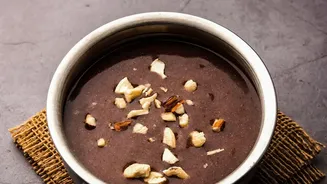
For generations, ragi (finger millet) and jowar (sorghum) were staples in Indian households, valued for their resilience and nutritional might. Today, there's a renewed appreciation for these heritage grains. Ragi is a powerhouse of calcium and iron,
while jowar is packed with protein and fibre. Both are naturally gluten-free, making them ideal for a growing number of health-conscious consumers. This shift isn't just about avoiding gluten; it's about embracing a diet that is diverse and rich in micronutrients, moving beyond a reliance on wheat and rice. Artisanal bakers are at the forefront of this movement, seeing the potential to create something both modern and deeply rooted in Indian culinary tradition.
The Gluten-Free Challenge
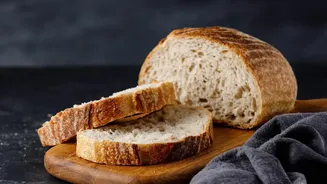
Baking with ragi and jowar is not straightforward. The very thing that makes them attractive to many—the absence of gluten—is what makes them a challenge for bakers. Gluten is the protein that gives wheat-based dough its elasticity and structure, allowing bread to rise and hold its shape. Without it, millet-based doughs can be dense, crumbly, and difficult to work with. The flours have a unique, sometimes strong flavour that needs to be balanced. Early attempts at millet baking often resulted in products that were healthy but lacked the appealing texture and taste of their wheat-based counterparts. This is the puzzle that artisanal bakers have dedicated themselves to solving: how to achieve a light, airy crumb and a satisfying flavour using these challenging flours.
Artisanal Alchemy and Techniques
The secret lies in a combination of science and creativity. Bakers have developed a toolkit of techniques to coax the best out of these grains. A key strategy is creating carefully balanced flour blends, often mixing millets with other flours to improve texture. To mimic the binding properties of gluten, bakers use natural agents like psyllium husk, flax seeds, or eggs. Another powerful tool is slow fermentation, often using sourdough starters. This age-old process not only develops a more complex flavour but also improves the texture and digestibility of the final product. Proper hydration is also critical; soaking the flours allows them to absorb moisture, leading to a softer crumb. These techniques are not shortcuts; they require skill, patience, and a deep understanding of how different ingredients interact.
From Humble Grains to Gourmet Goods
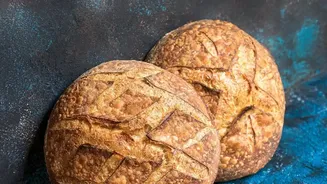
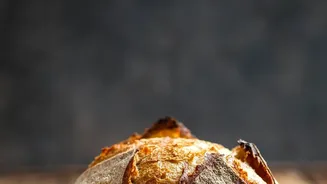
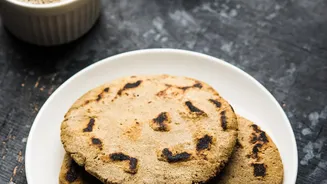
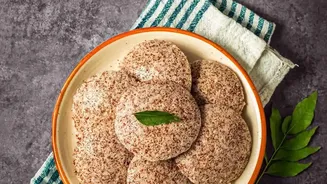
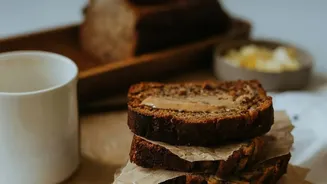
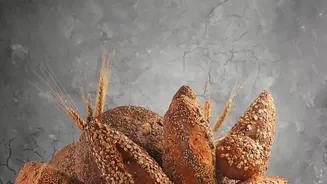
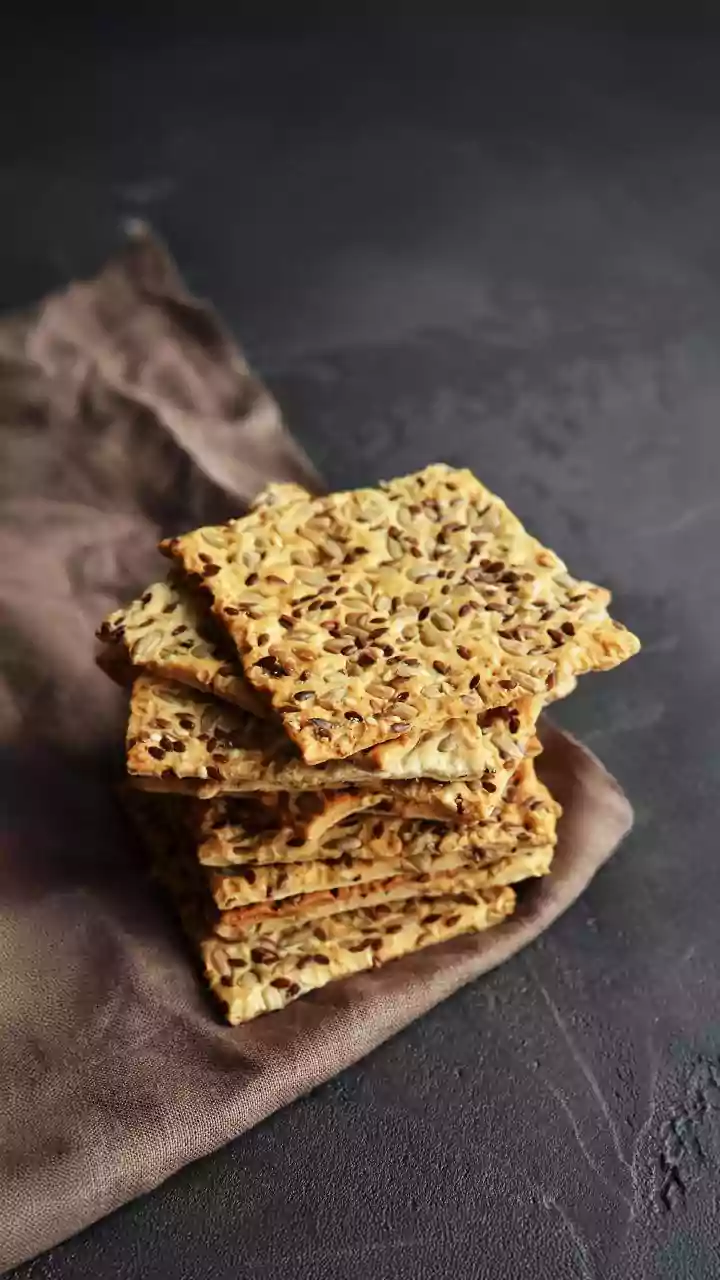
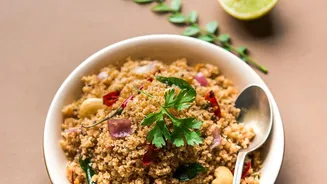
The results of this hard work are appearing on the menus of innovative bakeries across the country. We are no longer talking about just simple rotis. Think of crusty sourdough loaves with the earthy notes of ragi, or soft, fluffy focaccia made with a blend of jowar and whole wheat. The possibilities extend far beyond bread. Bakers are crafting fudgy jowar brownies, delicate ragi cakes, and crisp, flavourful cookies that rival any traditional confection. These creations prove that healthy and delicious are not mutually exclusive. By applying artisanal methods to traditional ingredients, bakers like Pranav Ullal of Loafer & Co in Bengaluru and Priyanka Sirohi of Earthy Grains in Noida are redefining what's possible, turning humble millets into gourmet experiences.