




The River's Hidden Cargo
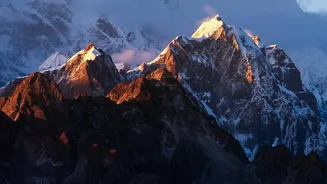
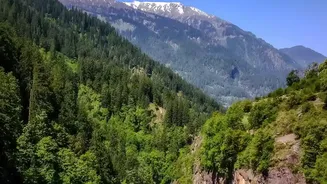
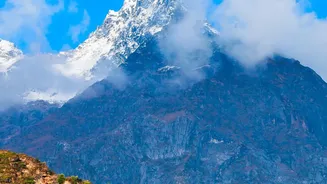
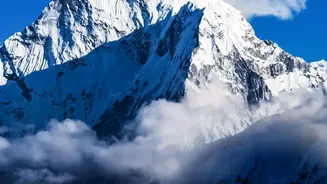
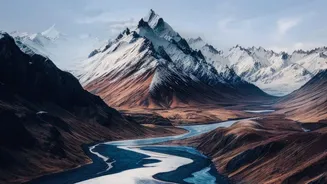
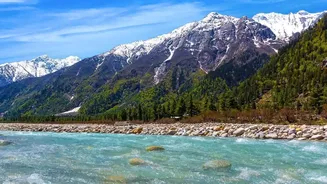
When we picture a river, we often think only of the water. But in a geologically active and steep region like the Himalayas, rivers are powerful conveyors of immense amounts of solid material. This mountain debris comes from multiple sources: slow erosion,
sudden landslides triggered by heavy monsoon rains or earthquakes, and material gouged out by moving glaciers. The terrain of the Himalayas is fragile, and events like the 2015 Gorkha earthquake have left mountainsides even more unstable, increasing the volume of loose material ready to be washed away. This sediment—ranging from fine silt to enormous boulders—is the critical, often overlooked, component in Nepal's flood story.
How Debris Chokes a River
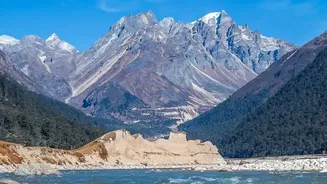
The primary way debris increases flood risk is through a process called aggradation, or the raising of the riverbed. As a sediment-heavy river flows from steep mountains onto flatter plains, its velocity decreases. It loses the energy needed to carry its heavy load, so the rocks, gravel, and sand settle on the bottom. Over time, this deposition builds up, literally filling the river channel from below. This drastically reduces the channel's capacity to hold water. A river that could once safely contain a large monsoon flow now finds its banks overtopped with much less water, leading to more frequent and widespread flooding of surrounding land.
Case Study: The Melamchi Disaster
The catastrophic flood in Nepal's Melamchi river valley in June 2021 provides a devastating real-world example of this process. The disaster was not simply a case of too much rain. A combination of intense monsoon rainfall and snowmelt triggered massive landslides upstream. These landslides dumped an enormous volume of debris into the river, temporarily blocking it. When the natural dam burst, it unleashed a torrent not just of water, but a thick, concrete-like slurry of mud, rocks, and boulders. This debris flow was exceptionally destructive, but it also left behind a permanent legacy: vast deposits of sediment that raised the riverbed by several metres, leaving downstream towns like Melamchi Bazar dangerously exposed to future floods.
The Cascade of Hazards
The problem isn't limited to a single mechanism. Mountain debris creates a cascade of hazards. A major landslide can block a river entirely, forming a temporary 'landslide dam'. The water that builds up behind this dam can burst through with incredible force, creating a flash flood far more powerful than one caused by rainfall alone. Furthermore, this sediment load damages critical infrastructure. It grinds down turbines in hydropower plants, a key part of Nepal's economy, leading to costly repairs and shutdowns. It also fills up irrigation canals and covers fertile farmland with unproductive silt, impacting livelihoods long after the floodwaters recede.
A Future Shaped by Climate Change
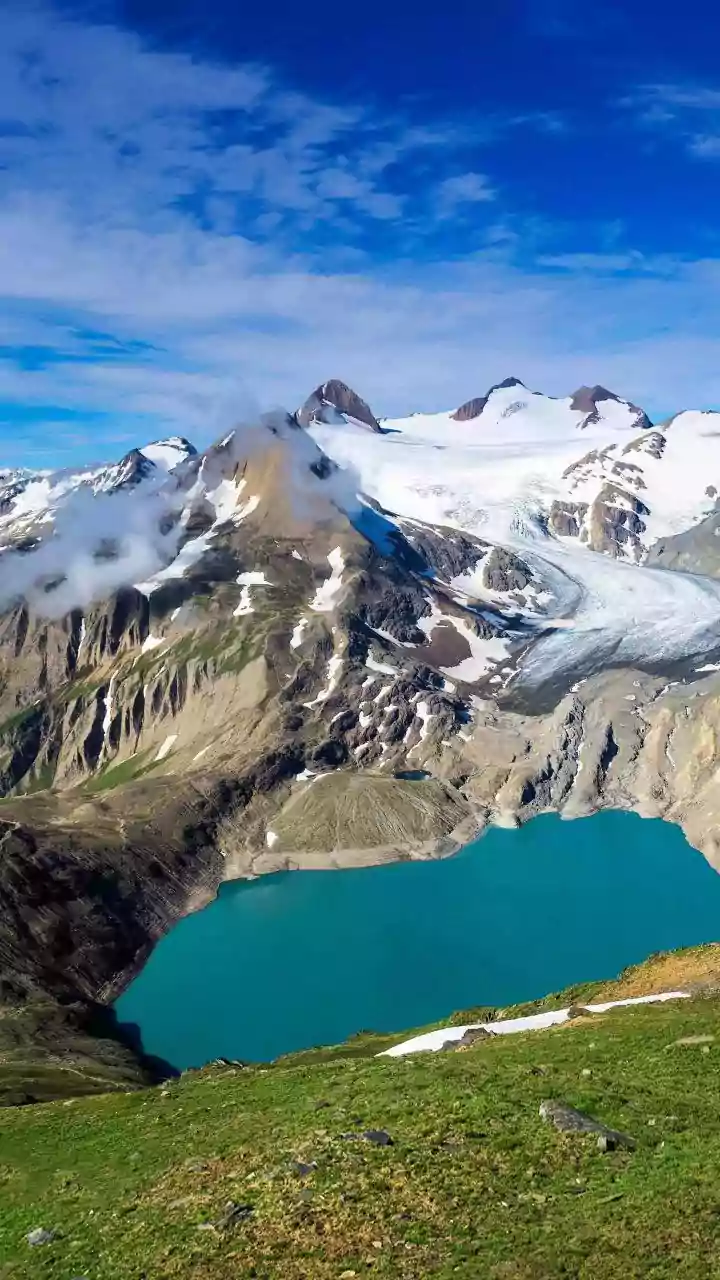
Climate change is accelerating these risks. Rising temperatures are causing glaciers in the Himalayas to melt at an alarming rate, which not only increases water flow but also destabilizes the surrounding rock and soil as permafrost thaws. This can lead to more glacial lake outburst floods (GLOFs), where vast lakes of meltwater burst their natural moraine dams, sending a deadly pulse of water and debris downstream. At the same time, climate change is making monsoon rainfall more intense and erratic, increasing the likelihood of extreme rainfall events that trigger landslides and wash sediment into the rivers.