







The Unbeatable Economics of Streaming
Perhaps the most compelling argument for staying home is simple mathematics. A single movie outing for two at a metro multiplex, including tickets, overpriced popcorn, and drinks, can easily cross the ₹1,500 to ₹2,500 mark. In cities like Mumbai and Delhi,
premium tickets for a blockbuster can cost over ₹2,000 each. Compare that to an annual subscription for a platform like Amazon Prime Video or Disney+ Hotstar, which often costs less than a single high-end cinema trip for two. For a generation navigating career starts and financial planning, the value proposition is undeniable. The monthly cost of multiple streaming services combined is often a fraction of one night at the movies, making home streaming the default choice for regular entertainment.
Content on Command: The Binge-Watching Revolution
Beyond cost, Over-the-Top (OTT) platforms offer a level of convenience and control that traditional cinemas cannot match. The ability to watch anytime, anywhere, on any device—be it a smartphone, laptop, or smart TV—has fundamentally altered viewing habits. This flexibility has given rise to the phenomenon of binge-watching, with audiences in India becoming world leaders in consuming entire seasons in a few sittings. This on-demand model fits perfectly into the fluid schedules of young professionals and students. There's no need to plan around fixed showtimes; entertainment is available instantly, with the power to pause, rewind, and watch at one's own pace. This shift has made streaming an everyday habit rather than a planned occasion.
A Universe of Stories Beyond Bollywood
For decades, Indian cinema was the primary source of filmed entertainment. Today, streaming platforms have blown the doors wide open, offering a staggering variety of content from across the globe. Young audiences now have access to Korean dramas, Spanish thrillers, Japanese anime, and critically acclaimed American and British series, all subtitled or dubbed for easy consumption. This has cultivated a more globalised taste, with audiences becoming more story-focused than star-obsessed. Furthermore, OTT platforms have become a haven for experimental and regional Indian cinema, providing a platform for stories that might be considered too risky or niche for a mainstream theatrical release. This has empowered a new wave of creators and given viewers access to authentic, diverse narratives that resonate with contemporary themes.
The Personalised Cinema Experience
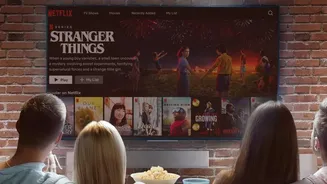
While multiplexes have invested in luxury seating and premium sound, the home environment offers a different, more personal kind of comfort. Watching on a large-screen smart TV, which has become increasingly popular, provides excellent audio-visual quality without the distractions of a public theatre. Viewers can control the volume, lighting, and even who they watch with, turning a passive viewing experience into an interactive social event with friends or a cosy personal escape. The rise of AI-powered recommendations also means that platforms are constantly learning viewer preferences, curating a near-endless feed of content tailored to individual tastes. This creates a highly personalised entertainment ecosystem that traditional cinemas, with their one-size-fits-all programming, struggle to compete with.