





What Exactly is Sumac?
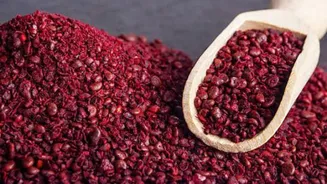
Sumac is a coarse, deep red powder made from the dried and ground berries of the wild sumac flower, Rhus coriaria. This shrub is native to the Mediterranean, Western Asia, and parts of Africa, where its culinary use dates back thousands of years. In fact,
the Romans used it as a primary souring agent long before lemons became widespread in the region. The name itself comes from the Arabic word 'summaq', meaning 'deep red', a nod to its beautiful, eye-catching burgundy hue. While some wild varieties of sumac are poisonous, the type sold for culinary use is perfectly safe and delicious, belonging to the same plant family as cashews and mangoes. It is a staple in many Middle Eastern kitchens, often found on the table alongside salt and pepper.
A Burst of Tang Without the Liquid
The magic of sumac lies in its unique flavour profile. It delivers a bright, tart, and fruity taste that is most often compared to lemon. However, it’s less sharp than lemon juice, with earthy and subtly sweet undertones that provide a more complex and balanced acidity. Its primary souring compound is malic acid, the same acid that gives green apples their tartness. The key advantage of sumac is that it provides this citrus-like zing in a dry form. This makes it incredibly versatile, allowing you to add a pop of flavour without introducing extra moisture, which could make a crispy salad soggy or prevent roasted vegetables from browning properly. It’s the perfect way to brighten a dish without altering its texture.
The Vegetarian's Secret Weapon
Sumac is particularly transformative in vegetarian cooking. Vegetable-forward dishes can sometimes feel one-dimensional or lack the deep, savoury notes found in meat dishes. Acidity is crucial for cutting through richness and balancing flavours, and sumac provides this in spades. It enhances the natural sweetness of roasted root vegetables like carrots, sweet potatoes, and parsnips, providing a delightful tangy contrast. It pairs beautifully with a wide array of vegetables, including eggplant, cauliflower, zucchini, tomatoes, and onions. Sprinkling it over hummus, baba ganoush, or a simple yogurt dip instantly elevates them from simple to special. This single spice can add a layer of complexity that makes plant-based meals feel more complete and satisfying.
Elevating Your Everyday Salads
One of the easiest ways to incorporate sumac is in your salads. It is a key ingredient in the iconic Middle Eastern bread salad, fattoush, and for good reason. You can create a simple yet vibrant sumac vinaigrette by whisking it into olive oil with red wine vinegar or lemon juice, a touch of honey or maple syrup, and herbs like oregano. This type of dressing works well on simple green salads, grain bowls, and bean salads. You don’t even need to make a full dressing; simply sprinkling sumac directly onto sliced cucumbers, tomatoes, and onions with a pinch of salt adds an instant burst of freshness and colour, transforming a basic side into a zesty and appealing dish.
Transforming Roasted Vegetables
When it comes to roasted vegetables, sumac is a game-changer. Its dry nature makes it perfect for tossing with vegetables before they go into the oven. For a simple and delicious side, chop vegetables like carrots, bell peppers, zucchini, or butternut squash into bite-sized pieces. Toss them generously with olive oil, salt, pepper, and a tablespoon or two of sumac until they are evenly coated. Roast at a high temperature (around 200°C) until the vegetables are tender and caramelised at the edges. The sumac’s tartness will balance the concentrated sweetness of the roasted vegetables, creating a side dish that is anything but boring. The beautiful red spice also adds a visually stunning touch to the finished dish.