



The Allure of 'Grounding'
Enthusiasts of barefoot hiking, often called 'earthing' or 'grounding', seek a more natural and mindful way to experience the outdoors. The idea is that direct skin contact with the ground enhances our sensory awareness, improves balance, and strengthens
the muscles in our feet. Proponents describe a feeling of being more present and moving more intentionally, as the foot receives constant feedback from the terrain. Instead of stomping through nature, you learn to step lightly and consciously. This intimate connection is the primary draw, but it requires placing your full trust in the trail ahead, which isn't always as pristine as it seems.
More Than Just a Cut
When people think of barefoot injuries, they often picture a minor cut. However, the most significant danger on a trail isn't a surface-level laceration; it's a puncture wound. Unlike a scrape, which is open and easy to clean, a puncture is a deep, narrow injury caused by objects like broken glass, a discarded nail, a sharp rock, or even a hardened thorn. These wounds often don't bleed much and can close up quickly, trapping dirt and bacteria deep inside the tissue. This creates a perfect breeding ground for infection, turning a seemingly small injury into a serious medical issue.
The Hidden Threat of Infection
Puncture wounds are considered 'dirty wounds' by medical professionals, and for good reason. The object that pierces your foot, whether it's a shard of metal or a natural splinter, introduces bacteria from the soil and the object itself directly into your body. This can lead to serious infections that damage skin, muscle, and even bone if left untreated. Furthermore, any deep wound from an object that has been in contact with soil carries a risk of tetanus, a severe and potentially life-threatening bacterial infection. It is crucial for anyone considering barefoot hiking to be up to date on their tetanus booster.
Man-Made vs. Natural Hazards
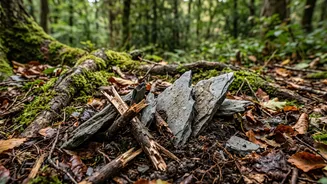
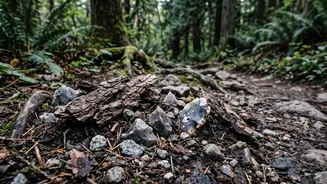
Hiking trails are not sterile environments. While we hope for pristine wilderness, the reality is that both natural and man-made hazards are common. Natural sharp objects include jagged rocks, splintered wood from fallen branches, and sharp thorns from plants. Man-made debris is an unfortunate but frequent discovery, even on remote trails. Broken glass from bottles, rusty nails from old structures, and sharp pieces of metal are all potential dangers that can be hidden under a layer of leaves or loose dirt. You can't assume a trail is safe just because it looks clean at first glance; a single misstep is all it takes.
A Safer Middle Ground
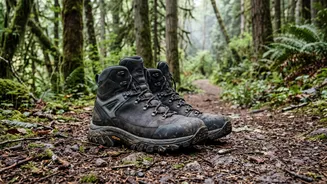
If the allure of a close-to-nature experience is strong but the risks seem too high, there is a popular compromise: minimalist footwear. Often called 'barefoot shoes', these are designed with a wide toe box, a flexible and thin sole, and a 'zero-drop' profile (meaning the heel isn't elevated). This design protects the sole of your foot from cuts and punctures while still allowing for a high degree of sensory feedback from the ground. It provides a protective barrier against the most common dangers like glass and sharp rocks without the rigid structure of traditional hiking boots, offering a balance of freedom and safety.
Tips for the Aspiring Barefoot Hiker
For those determined to try true barefoot hiking, risk mitigation is key. Start slow and choose your terrain carefully; a soft, sandy beach or a well-maintained grassy park is far safer than a rocky, unfamiliar trail. Always watch the path several feet ahead to plot a safe course. Step straight down, and avoid sliding or scuffing your feet, which increases the risk of scrapes. Most importantly, always carry a well-stocked first-aid kit that includes antiseptic wipes, tweezers for removing splinters, bandages, and antibiotic ointment to treat any injury immediately.