





The Undisputed Classic: Pakoras
Arguably the most iconic monsoon snack, the pakora (or bhajiya) is a non-negotiable part of a rainy day. These deep-fried fritters, made from a spiced gram flour (besan) batter, come in endless varieties. Onion, potato, spinach, and paneer are common
choices, each offering a crispy exterior and a soft, flavourful inside. The craving isn't just cultural; there's a science to it. The drop in temperature and sunlight can affect our mood, and the body seeks out warm, energy-dense foods to compensate. Pakoras, served piping hot with mint chutney and a cup of masala chai, deliver that comfort instantly.
Street-Side Staple: Bhutta
The smoky aroma of roasted corn on the cob, or bhutta, is synonymous with monsoon evenings in India. Typically roasted over hot coals by street vendors, the corn is then rubbed with a mixture of lemon juice, salt, and chilli powder. This simple preparation perfectly balances smoky, tangy, and spicy flavours. It's a lighter alternative to fried snacks but delivers a similar sense of warmth and satisfaction, making it a beloved choice for people enjoying the rainy weather at viewpoints or on city streets.
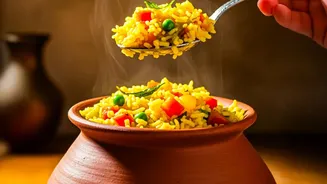
Comfort in a Bowl: Khichdi
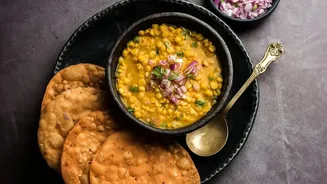
When the rain is relentless and you need more than a snack, khichdi is the answer. A humble one-pot dish of rice and lentils (usually moong dal), it's considered an ideal monsoon food in Ayurveda. The logic is that our digestive fire (agni) is weaker during the humid monsoon months, making easily digestible foods essential. Khichdi is light, nourishing, and can be customised with vegetables and mild spices like turmeric and cumin. Often served with a dollop of ghee, it's the ultimate comfort food that feels both cleansing and satisfying.
The Immunity Boosters: Ginger and Turmeric
Indian monsoon cooking isn't just about indulgence; it's also about wellness. Key ingredients like ginger and turmeric become even more prominent during this season. Ginger is prized for its ability to aid digestion and is a star ingredient in masala chai. Turmeric is known for its anti-inflammatory and antiseptic properties. Both are considered warming spices in Ayurveda and are liberally used in everything from dals and vegetable dishes to immunity-boosting drinks like kadha and turmeric milk (haldi doodh) to help ward off seasonal infections.
The Humble Healers: Seasonal Gourds
While leafy green vegetables are often avoided during the monsoon due to the higher risk of contamination from mud and grime, seasonal gourds take centre stage. Vegetables like bottle gourd (lauki), bitter gourd (karela), and ridge gourd (turai) are recommended by Ayurvedic principles for being light and easy on the stomach. These vegetables are typically cooked into simple, warm curries or stews, providing necessary nutrients without taxing the digestive system, which is believed to be more sensitive during this season.
A Moment of Sweetness: Jalebi and Ghewar
Monsoon cravings aren't limited to savoury foods. Hot, crispy jalebis, spirals of fermented batter fried and soaked in sugar syrup, are a popular rainy-day treat. For a more regional specialty, Rajasthan's Ghewar is a honeycomb-shaped sweet made from flour and ghee, often enjoyed during the Teej festival which coincides with the monsoon. These sweets provide a quick burst of energy and satisfy the desire for something rich and indulgent that so often accompanies the cool, damp weather.