









The Rise of the 'Pet Parent'
The driving force behind this shift is the powerful trend of 'pet humanization'. A majority of urban pet owners in India, particularly Millennials and Gen Z, now view their pets as integral members of the family, not just animals. This emotional bond
has transformed spending habits, with a growing demand for premium products and services that mirror human wellness trends. As owners become more invested in their pets' long-term health and happiness, they are scrutinizing ingredient lists and questioning the one-size-fits-all approach of traditional dry food. This has paved the way for a new market focused on high-quality, transparent, and personalized nutrition.
What is Fresh, Customized Pet Food?
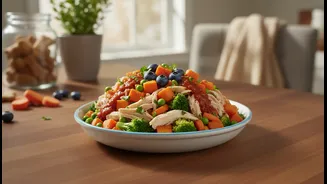
Unlike heavily processed kibble cooked at high temperatures, fresh pet food consists of whole-food ingredients like meats, vegetables, and grains that are gently cooked to preserve nutrients and flavour. The high moisture content, often over 65% compared to around 10% in kibble, also aids in hydration and digestion. The 'customized' aspect takes this a step further. Several new-age Indian companies now create personalized meal plans based on a dog's specific breed, age, weight, activity level, and health conditions. These plans are often developed with input from veterinary nutritionists to ensure they are nutritionally complete and balanced for each individual dog.
The Importance of 'Vet-Approved'
The term 'vet-approved' is more than just a marketing buzzword; it's a crucial marker of quality and safety. Reputable fresh food brands collaborate with veterinary nutritionists to formulate their recipes. This ensures the meals meet established nutritional standards, such as those from the Association of American Feed Control Officials (AAFCO), providing the right balance of proteins, fats, vitamins, and minerals. For pet parents, this offers peace of mind that they are not just providing tastier food, but a diet that is scientifically formulated to support their dog's overall health, distinguishing it from potentially unbalanced homemade diets.
Targeting Specific Health Concerns
One of the most significant advantages of customized nutrition is the ability to address specific health issues. Many pet parents are turning to fresh diets to manage chronic conditions. For dogs with skin allergies or sensitivities, a common issue in India's climate, a simple, limited-ingredient diet can offer relief. The high digestibility of gently cooked food can benefit dogs with sensitive stomachs, leading to better nutrient absorption and firmer stools. It is also an effective tool for weight management, as meals are pre-portioned to provide the precise number of calories your dog needs. For picky eaters or senior dogs with decreased appetites, the palatability of fresh food can be a game-changer.
Making the Switch: What to Consider
While the benefits are compelling, making the switch requires consideration. Fresh food is more expensive than kibble, though many subscription services are emerging to offer convenience and manage costs. These services often deliver pre-portioned meals directly to your door, taking the guesswork out of feeding. However, the most critical step before changing your dog's diet is to consult with your veterinarian. They can help you determine if a fresh food diet is appropriate for your dog's specific health profile and guide you on how to transition them smoothly to their new food to avoid digestive upset.