




From Haldi-Besan to Bottled Serums
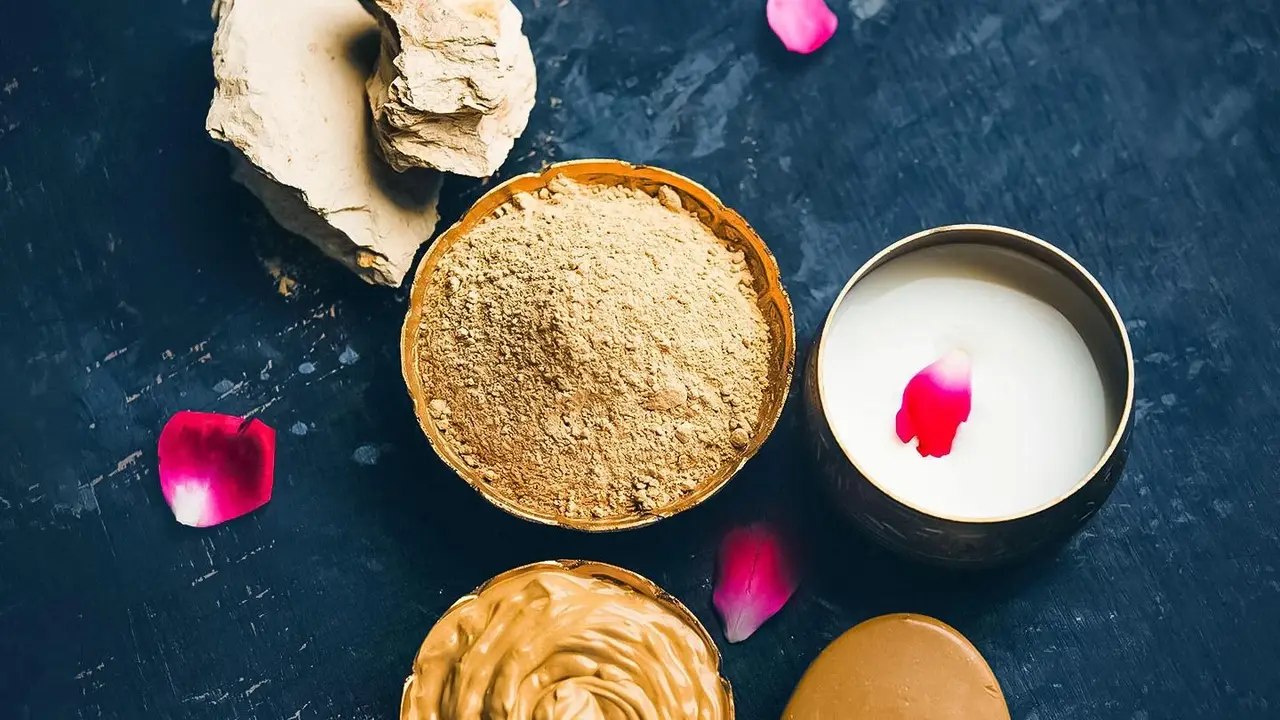
For generations, Indian beauty rituals have been deeply intertwined with the kitchen pantry. From turmeric (haldi) and chickpea flour (besan) pastes for glowing skin to hibiscus and amla concoctions for healthy hair, these time-tested remedies were passed
down as family wisdom. For years, these DIY practices existed separately from the world of commercially produced cosmetics. But today, that line is blurring. A growing number of Indian beauty brands, from agile startups to established giants, are looking back to these very same kitchen ingredients, giving them a modern, sophisticated makeover and a prime spot on our beauty shelves. This is more than just a trend; it's a full-circle moment for Indian beauty, where ancient wisdom is being repackaged with scientific precision for the modern consumer.
The Power Players: What’s on the Label?
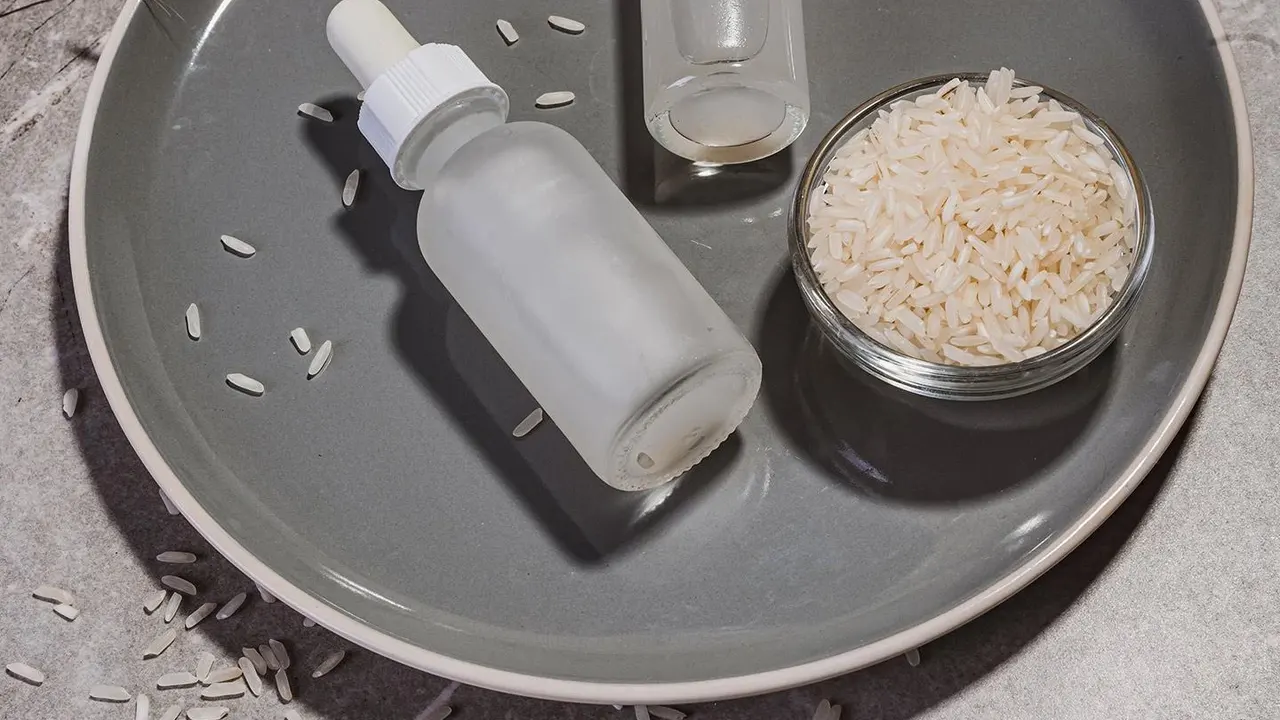
The list of grocery-aisle heroes making their way into tubes and bottles is long and growing. Turmeric, long revered in Ayurveda for its anti-inflammatory and antiseptic properties, is now a star ingredient in everything from face washes to serums, prized for its ability to brighten skin and fight acne. Saffron, or kesar, once reserved for special dishes, is now a luxury active in high-end creams targeting hyperpigmentation. Rice water, a humble byproduct once used as a simple hair rinse, is being formulated into shampoos and leave-in sprays by brands promising stronger, shinier locks. Other staples like neem, aloe vera, amla, and coconut oil are also seeing a major resurgence, moving from home remedies to clinically formulated products. These ingredients are no longer just 'natural'; they are being positioned as powerful, effective solutions backed by tradition.
Why Now? The Quest for ‘Clean’ and ‘Natural’
Several forces are driving this back-to-basics movement. Globally, there is a massive consumer shift towards 'clean beauty,' with shoppers becoming increasingly wary of synthetic chemicals like parabens and sulfates. This is particularly potent in India, where there's a renewed pride and interest in Ayurveda. Consumers are actively seeking products that they perceive as safer, more authentic, and aligned with a holistic wellness lifestyle. The Indian Ayurvedic beauty market is projected to grow significantly, reflecting a deep-seated trust in natural ingredients. This demand is amplified by social media, where beauty influencers and wellness advocates champion the benefits of these traditional ingredients, making them aspirational for a new generation.
Modern Science Meets Ancient Wisdom
Crucially, this trend isn't just about adding a pinch of turmeric to a cream. Brands are investing in research and development to make these traditional ingredients more effective and stable. They are using modern scientific techniques like extraction and fermentation to isolate the most beneficial compounds. For example, the active compound in turmeric, curcumin, is now being formulated in ways that maximize its antioxidant and anti-inflammatory benefits without staining the skin. This fusion of science and tradition is key to the movement's success. It offers consumers the best of both worlds: the perceived safety and authenticity of natural ingredients, combined with the proven efficacy and sophisticated feel of modern cosmetic science.
The Business of Back to Basics
For beauty companies, embracing kitchen-inspired ingredients is also a savvy business strategy. It taps directly into a powerful cultural narrative and meets a clear consumer demand for transparency and natural formulations. This approach has allowed new-age, direct-to-consumer brands to carve out a niche and compete with legacy players. By building their identity around Ayurvedic principles and familiar, trusted ingredients, these brands forge a strong connection with their audience. Major investors are taking note, pouring capital into Ayurvedic beauty brands and validating the market potential of this cultural shift.