







Why Summer Meals Make Us Sleepy
That familiar wave of lethargy after a meal has a name: postprandial somnolence. When you eat, your body directs blood flow to the digestive system to process the food. This can mean less blood flow to the brain, leading to that sleepy, unfocused feeling.
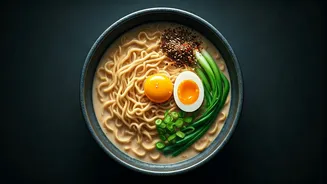
In the summer, this effect is often magnified. The heat already puts a strain on your body as it works to stay cool. A heavy meal adds another major task, diverting even more energy to digestion. This double effort can leave you feeling completely drained, making it difficult to power through the afternoon. The types of food we eat also matter; meals high in refined carbohydrates and fats are particularly known to trigger a more significant energy dip.
Saunf: A Time-Honoured Digestive Aid
In India, the practice of chewing a spoonful of saunf (fennel seeds) after a meal is a deeply ingrained cultural habit. It's more than just a mouth freshener. In Ayurveda, saunf is prized for its digestive properties. It is considered a carminative, which means it helps prevent the formation of gas in the gastrointestinal tract and facilitates its expulsion. This action can relieve bloating, indigestion, and stomach discomfort. Traditionally, it’s believed to stimulate 'agni' (the digestive fire), ensuring that food is broken down and absorbed efficiently. When your digestive system works smoothly without struggling, it requires less energy, which can indirectly combat that feeling of post-meal fatigue.
How Fennel Water Specifically Helps
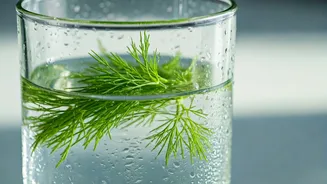
Turning saunf into fennel water is a gentle and effective way to harness its benefits. The essential oils in fennel seeds, particularly anethole, fenchone, and estragole, are responsible for its digestive and anti-inflammatory properties. When you steep the seeds in water, these compounds are released. Drinking this water after a meal helps in several ways. It can relax the stomach muscles, easing cramps and bloating. By promoting the secretion of digestive enzymes, it helps your body process food more efficiently. A happy, efficient gut doesn't have to work overtime, freeing up energy for the rest of your body and brain. This is the core connection: better digestion often leads to better energy levels, especially after eating.
Two Simple Ways to Make It
Preparing fennel water is incredibly easy. You can make it hot or cold, depending on your preference. **1. The Quick Hot Infusion:** Bring one glass of water to a boil. Add one teaspoon of raw or lightly roasted fennel seeds. Turn off the heat, cover the pot, and let the seeds steep for about 5-10 minutes. Strain the water into a cup and drink it warm. This version is particularly soothing after a heavy dinner. **2. The Cooling Overnight Soak:** For a refreshing drink during the day, add one to two teaspoons of fennel seeds to a large bottle of water. Let it sit overnight in the refrigerator. The water will be subtly infused with fennel's flavour and nutrients. You can sip on this cool, hydrating drink throughout the day, especially after your lunch, to aid digestion and stay refreshed.
Other Potential Wellness Benefits
Beyond aiding digestion, regular consumption of fennel water may offer other wellness perks. Fennel seeds are a good source of antioxidants, which help combat oxidative stress in the body. The drink is also an excellent natural mouth freshener, fighting bad breath from the inside out. Since it's primarily water, it contributes to your daily hydration needs, which is crucial during the hot summer months to prevent fatigue caused by dehydration. Some traditional beliefs also suggest that fennel water can act as a mild diuretic, helping to flush out toxins from the body. While it's not a magical cure-all, its combination of digestive support, hydration, and nutrient content makes it a worthy addition to your daily wellness routine.