
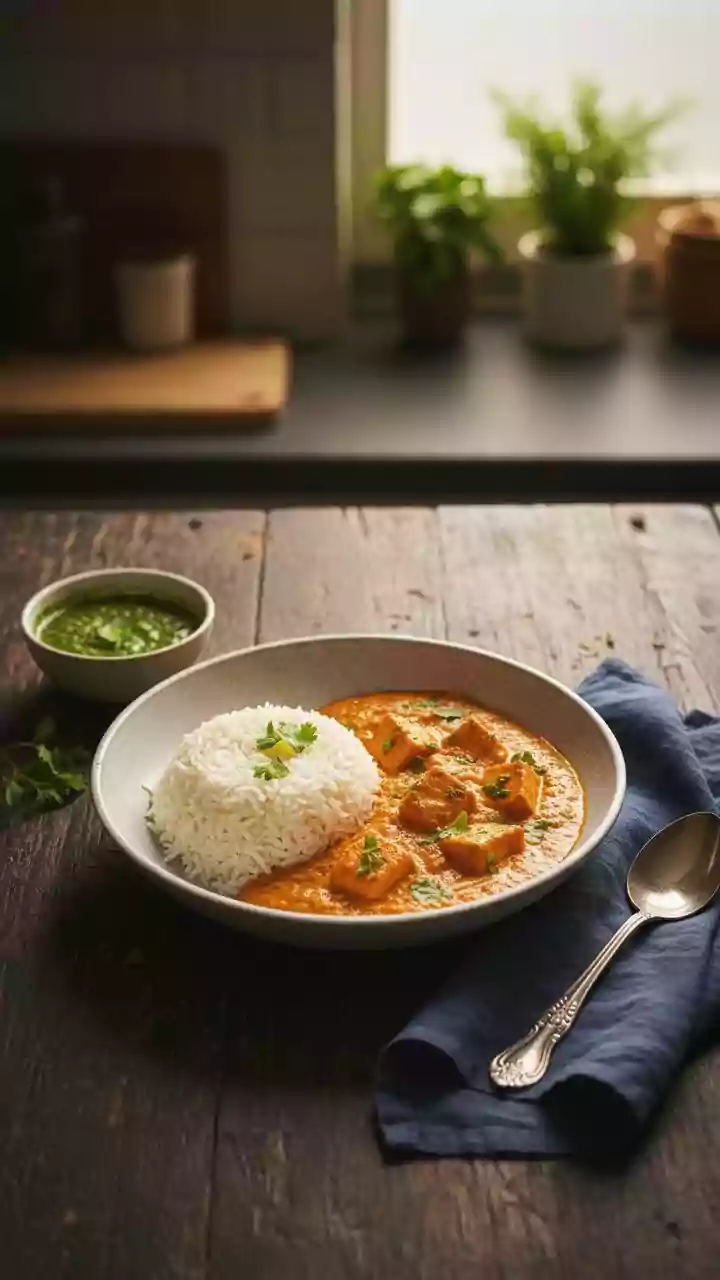
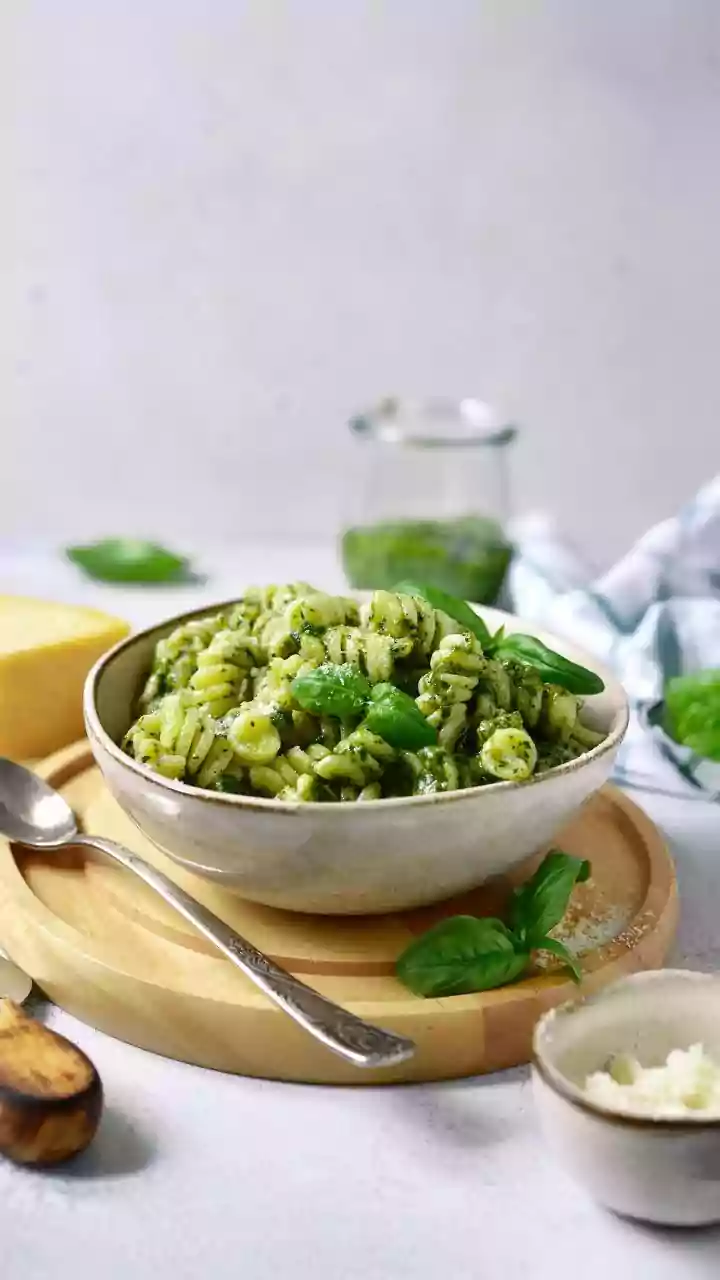
It’s a combination so fundamental to Indian cooking, we barely even think about it. From marinades to tadkas, garlic and fresh coriander are a classic duo. But why do they work so well together? It's more than just habit; it’s a lesson in flavour science.
Garlic: The Pungent Foundation
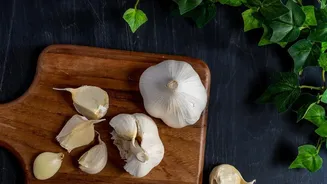
Garlic’s power comes from its sulfur compounds, most famously allicin. This compound is created when a garlic clove is crushed or chopped, and it's responsible for that unmistakable sharp, pungent, and spicy aroma. Think of garlic as the deep, foundational bass note in a flavour composition. Its robust and savoury character allows it to stand up to strong cooking methods and bold spices, providing a rich and aromatic base that deepens the taste of everything from curries to stir-fries. Without a counterpoint, however, its flavour can be overwhelming and heavy.
Coriander: The Fresh, Bright Counterpoint
Fresh coriander, also known as cilantro, brings a completely different energy. Its flavour profile is dominated by compounds like linalool, which gives it a bright, citrusy, and slightly floral aroma. This makes it a perfect 'top note' in a dish. While garlic provides the depth, coriander provides the lift, cutting through richness with its fresh, zesty character. The stems and leaves have a vibrant, peppery quality that adds a final flourish of freshness, often used as a garnish or stirred in at the end of cooking to preserve its delicate flavour.
The Science of a Perfect Balance
The magic of pairing garlic and coriander lies in the principle of balancing flavour profiles. Culinary experts often talk about combining ingredients that either complement (share similar compounds) or contrast each other. Garlic and coriander are a prime example of a contrasting pairing that creates harmony. Garlic’s heavy, sulfurous notes are mellowed and brightened by the fresh, citrusy notes of coriander. The fresh herb cuts through the pungency of the garlic, preventing it from dominating the dish and instead creating a more complex and well-rounded flavour profile. Adding coriander and garlic together while a dish cooks allows their flavours to meld, resulting in a unique aroma and taste that neither could achieve alone.
Classic Dishes, Perfect Harmony
This pairing is the backbone of countless beloved dishes. A simple garlic and coriander chutney is a powerful condiment where the duo shines, balanced with the sourness of lemon and the heat of green chillies. Dhaniya Chicken, or coriander chicken, often features a marinade made from a paste of coriander, garlic, yogurt, and other spices, showcasing how the two ingredients can tenderise and flavour meat. In Thai cuisine, garlic and cilantro root are pounded with peppercorns to create a foundational paste for marinades and stir-fries. Even a simple garlic coriander rice or naan bread demonstrates how these two ingredients can transform a staple into a flavourful star.
Tips for Your Kitchen
To make the most of this pairing, timing and form matter. For a deep, infused flavour, you can create a paste of garlic and coriander and add it during the cooking process, as you would with a curry or vegetable dish. This allows the flavours to blend and soften. For a burst of fresh, vibrant flavour, add finely chopped fresh coriander leaves at the very end of cooking or as a garnish. This preserves the herb's bright, aromatic oils. Don't be afraid to use the coriander stems; they are packed with flavour and can be finely chopped and added with the garlic at the beginning of the cooking process.