







A Significant Price Reduction
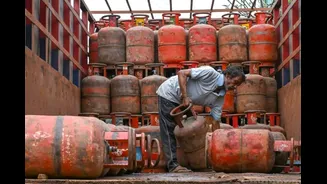
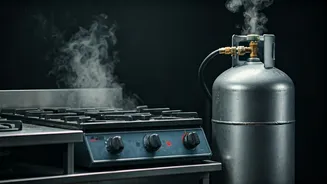
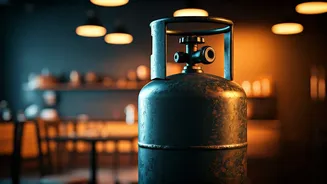
Effective July 1, 2026, oil marketing companies have slashed the price of 19-kg commercial LPG cylinders by ₹183.50. This brings the cost of a cylinder in Delhi down to ₹2,930. Similar reductions have been rolled out across the country, with prices falling
by ₹182 in Mumbai and ₹174 in Kolkata. This is the first price cut for these cylinders in 2026, following a series of hikes earlier in the year that were linked to volatility in global energy markets. It is important to distinguish this from the 14.2-kg domestic cylinders used in homes, the prices of which remain unchanged.
The Engine of India's Eateries
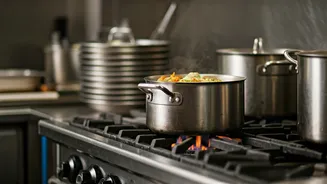
The 19-kg blue cylinder is the unsung hero of the Indian food landscape. It powers everything from the tandoors of fine-dining establishments to the sputtering woks of street-side noodle stalls and the chai kettles of countless tea shops. For restaurants, caterers, hotels, and dhabas, cooking gas is not a discretionary expense—it is a primary operational cost, as essential as the ingredients themselves. These businesses are not eligible for the subsidised domestic cylinders, making them entirely dependent on these commercially priced ones. A fluctuation in its price directly impacts their daily and monthly budget, influencing their financial health and sustainability.
Real Relief for Tight Margins
For a small to mid-sized restaurant, the savings can be substantial. An eatery that consumes, for example, 15 commercial cylinders a month will see its monthly gas bill reduce by nearly ₹2,750. While this may seem modest, it provides a much-needed financial cushion. In a business where profit margins are notoriously thin, often squeezed between rising food costs and high rents, every rupee saved on operational expenses counts. Industry associations have welcomed the move, calling it a significant relief for a sector that has been grappling with high input costs. This price drop allows business owners to redirect funds towards other critical areas, such as staff welfare, ingredient quality, or simply staying afloat.
Will Your Next Meal Be Cheaper?
This is the question on every consumer's mind. While the cost reduction for businesses is direct, the translation to cheaper menu prices is more complex. Restaurant owners are quick to point out that LPG is just one of many expenses. The costs of other essential inputs like edible oils, fresh vegetables, and dairy continue to fluctuate, and have generally been on an upward trend. Furthermore, many businesses may use this opportunity to recover from losses incurred during previous periods of high inflation rather than immediately passing on the benefit. So, while the price cut helps ensure that menu prices don't rise further, consumers shouldn't expect an immediate reduction in their food bills. The relief is more about stability for the business than a direct discount for the customer.
A Breather in a Challenging Market
The reduction in commercial LPG prices is attributed to the easing of international crude oil prices and a more stable geopolitical situation in West Asia. It signals a potential stabilisation in energy costs, which is a positive sign for the broader economy. For the food and hospitality sector, this development is more than just a line item on a budget; it's a welcome breather. It provides a small but crucial buffer, helping businesses to remain competitive and continue serving customers without being forced into another round of price hikes. It’s a small step, but for the countless entrepreneurs in India’s vibrant food scene, it’s a step in the right direction.