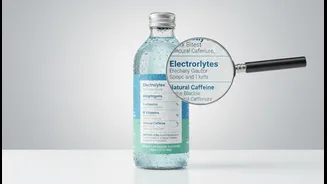









The New Wave of Functional Drinks
The shift towards wellness beverages is a significant trend in India, with the market for functional drinks growing much faster than the overall beverage market. Consumers are increasingly looking for more than just refreshment; they want drinks that
actively support their health goals, from boosting immunity to improving digestion and reducing stress. This trend, accelerated by a post-pandemic focus on preventive health, has made functional beverages a routine part of many shopping baskets. People are reading labels more carefully and seeking out products with natural ingredients and clear health benefits, moving away from sugary, artificial options.
Decoding the Wellness Aisle
The world of wellness drinks can be divided into several popular categories. Probiotic and prebiotic drinks, like kombucha and kefir, focus on supporting gut health, which consumers increasingly link to overall well-being. Adaptogenic beverages contain herbs like ashwagandha and tulsi, which are claimed to help the body manage stress. Nootropic drinks are formulated to enhance cognitive functions like focus and clarity, while functional sodas offer a bubbly fix with added benefits like fibre or vitamins, but with less sugar than traditional soft drinks.
How to Spot a Genuinely Healthy Drink
With so many options, reading the label is your most powerful tool. The first thing to check is the sugar content. Many drinks marketed as healthy contain surprisingly high amounts of added sugars, often disguised under names like cane juice, syrup, or fructose. Look for drinks with low or no added sugar. A short, understandable ingredient list is another good sign. Be cautious of vague claims or “proprietary blends” that don’t disclose the amount of each active ingredient. The most effective products contain ingredients backed by scientific research, and it's important to know that the dosage in the drink is sufficient to provide a real benefit.
The Red Flags to Watch For
While many functional beverages can be a positive addition to your diet, some are little more than glorified sugar water. Be wary of products that make dramatic, cure-all promises. These are largely unregulated and don't replace healthy lifestyle habits. High sugar content is a major red flag, as it can negate any potential health benefits. Also, be mindful of artificial sweeteners, which some people prefer to avoid. Excessive caffeine is another concern in some energy-focused drinks. Ultimately, if a drink's ingredient list is long and full of words you can’t pronounce, it might be best to choose a simpler, more natural option.
Are They Worth the Price?
Wellness drinks often come with a premium price tag, which raises an important question: are they worth it? While they offer convenience, many of their benefits can be obtained more affordably from a balanced diet of whole foods. For example, the probiotics in a pricey fermented drink can also be found in yogurt, while the fibre in a functional soda is abundant in fruits and vegetables. These beverages should be seen as a supplement to a healthy lifestyle, not a replacement for one. They can be a great option when you're on the go or looking for a specific functional boost, but they are not a magic bullet for health.