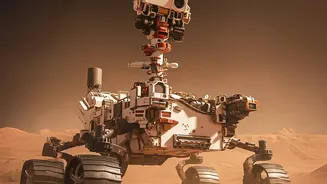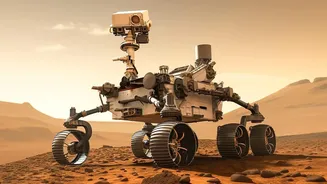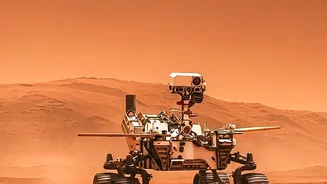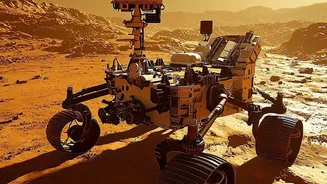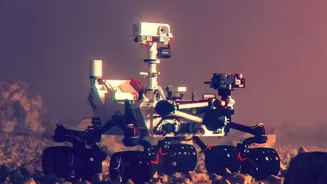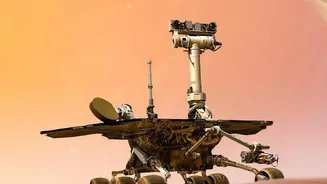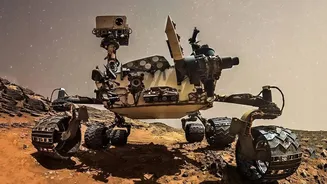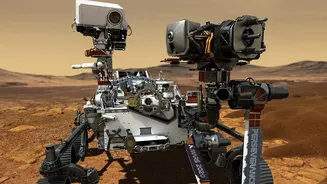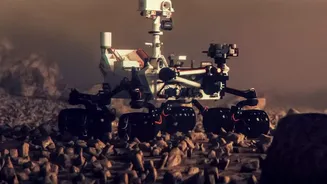


NASA is rebooting its ambitious plan to bring pieces of Mars to Earth. A new strategy, the Perseverance Sample Retrieval Architecture (PSRA), has been unveiled to tackle the immense challenge of retrieving samples collected by the Perseverance rover.
A New Blueprint for a Historic Mission
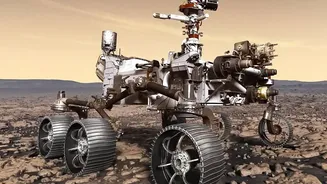
In a significant pivot, NASA has announced a new initiative to overhaul its Mars Sample Return (MSR) mission. Dubbed the Perseverance Sample Retrieval Architecture (PSRA), this effort aims to develop a more streamlined and realistic plan for one of the most complex undertakings in the history of space exploration: bringing Martian rock and soil back to Earth. For years, the Perseverance rover has been drilling and collecting scientifically valuable samples in Mars's Jezero Crater, believed to have once hosted a lake. These samples, sealed in titanium tubes, are humanity's best hope for finding definitive evidence of ancient life on the Red Planet. The new PSRA plan signals a fresh start for a mission that has faced significant hurdles.
Why the Change of Plans?
The previous Mars Sample Return architecture, a joint effort with the European Space Agency (ESA), grew increasingly complex and expensive. An independent review board raised serious concerns, estimating the total cost could balloon to as much as $11 billion, with a return date pushed as far back as 2040. NASA Administrator Bill Nelson called this timeline 'too far away' and the cost 'too expensive'. The original multi-spacecraft plan was deemed too ambitious within expected budgets, threatening to divert funds from other critical science missions. The PSRA was born out of this necessity to find a more efficient, faster, and affordable path forward without compromising the mission's core scientific goals.
How the Return Journey Might Work
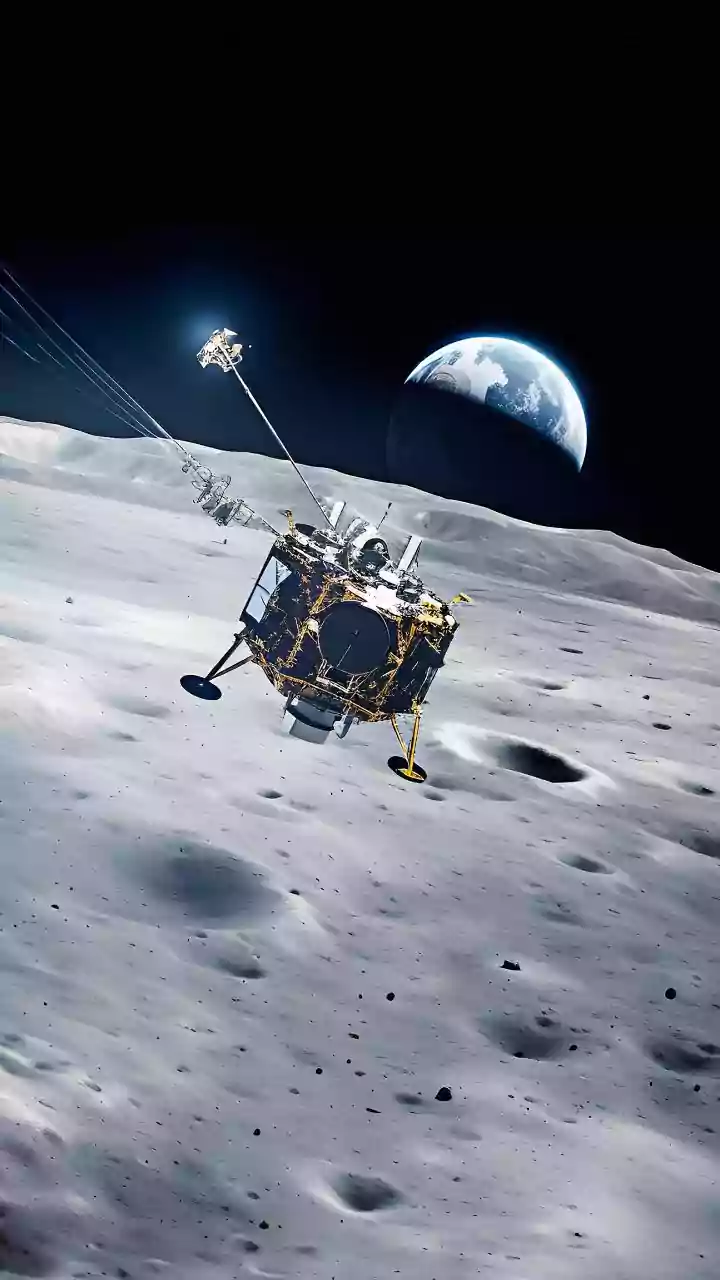
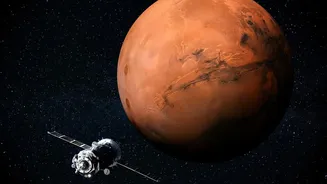
While the PSRA team will finalize the details over the coming year, the fundamental concept remains a multi-stage interplanetary relay. First, a lander will touch down near the Perseverance rover. This lander will carry a small rocket, the Mars Ascent Vehicle (MAV). The Perseverance rover, which has already created a depot of sample tubes on the Martian surface, would deliver its collection to the lander. The MAV will then perform the first-ever rocket launch from another planet, sending the container of samples into Mars orbit. From there, an orbiter, likely provided by the ESA, will capture the sample container, secure it, and begin the long journey back to Earth, where it will land in a protected site for analysis.
The Ultimate Prize: The Search for Life
The monumental effort and expense are all aimed at answering one of humanity's most profound questions: Are we alone? While rovers like Perseverance can perform amazing science on Mars, the most advanced instruments are here on Earth. Bringing the samples back will allow scientists worldwide to analyze them with stateofate equipment for decades to come, searching for 'biosignatures'—telltale signs of past microbial life. These pristine samples from an ancient, oncehabitable environment could revolutionize our understanding of planetary formation, the history of water on Mars, and the potential for life beyond Earth.
A Global Effort in a New Space Race
The Mars Sample Return mission remains a significant international collaboration, primarily between NASA and ESA. This shared pursuit of knowledge highlights a global interest in space exploration, a field where nations like India have also made significant strides with missions like the Mars Orbiter Mission (Mangalyaan). The urgency to refine the MSR plan is also underscored by a new element of competition. China is moving forward with its own ambitious Tianwen -3 sample return mission, which aims to launch around 2028 and return samples by 2031. This has added a 'Sputnik moment' urgency for NASA to ensure its own landmark mission succeeds.