

The Art of Zoning Without Walls
The first step in creating a multi-functional room is to visually separate the space for each activity. This is called zoning. You don’t need walls to do this effectively. A large area rug, for instance, can instantly define a living room area, separating
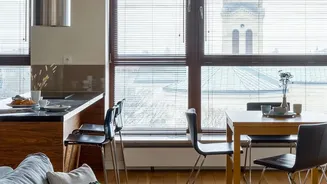
it from a workspace. Its edges create a clear boundary that tells you where the lounge zone begins and ends. You can also use furniture placement as a divider. Floating a sofa in the middle of the room, rather than pushing it against a wall, can create a subtle partition between a seating area and a dining nook. Another clever technique is using paint or different lighting. A distinct colour on one wall can signify a home office corner, while focused task lighting over a desk and softer, ambient light in the relaxation area helps the brain switch between functions.
Choose Your Furniture Wisely
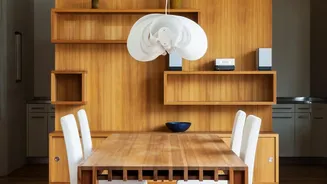
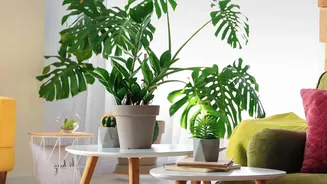
In a room that does double duty, furniture is your most valuable player. The key is to select pieces that are either multi-purpose or can be easily moved or hidden. A sofa-cum-bed is a classic example, turning a living room into a guest room in seconds. Similarly, an expandable dining table can stay compact for daily use but grow to accommodate guests. For home office needs, consider a wall-mounted desk that folds away when not in use. Avoid bulky, oversized pieces that dominate the room. Instead, opt for slim, modular designs that leave floor space clear, making the room feel more open and adaptable. Nested tables are another excellent choice; they offer extra surfaces when needed and tuck away neatly afterwards.
Smart Storage Is Everything
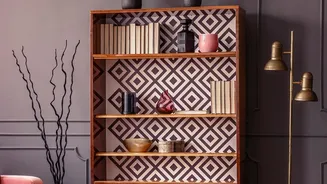
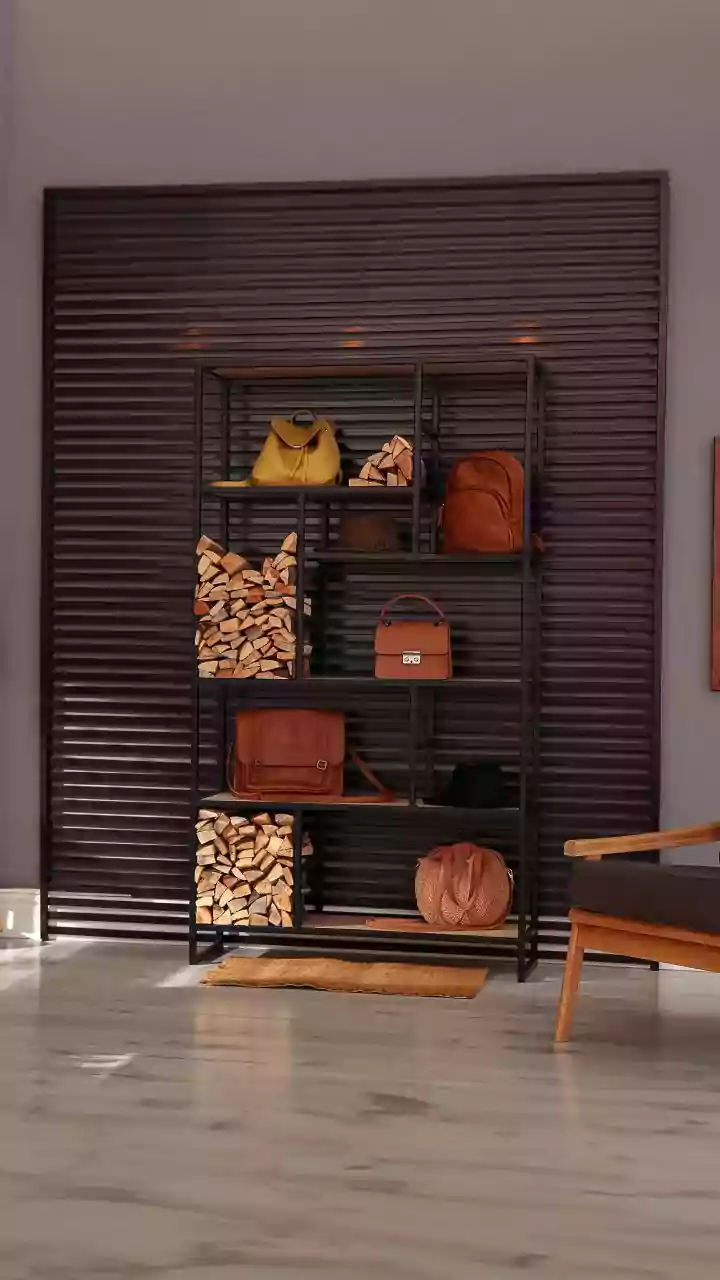
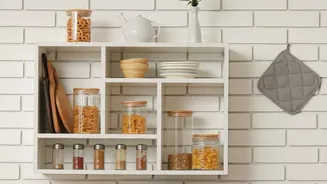
Clutter is the ultimate enemy of a functional, multi-purpose space. To keep things organised, you need to be strategic about storage. The best approach is to think vertically. In many Indian homes, floor space is limited, but ceiling height is an untapped resource. Tall bookshelves, floor-to-ceiling cabinetry, and wall-mounted shelves draw the eye upward and free up the floor, making the room feel larger. Hidden storage is also a game-changer. Look for beds with hydraulic lifts that reveal storage underneath, or ottomans and benches with hollow interiors for stashing away blankets, cushions, or toys. By ensuring everything has a place, you can quickly transition the room from one function to another without a time-consuming cleanup.
Layer Your Lighting for Every Mood
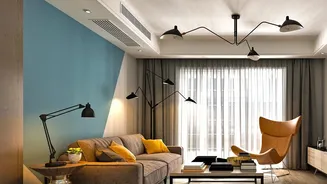
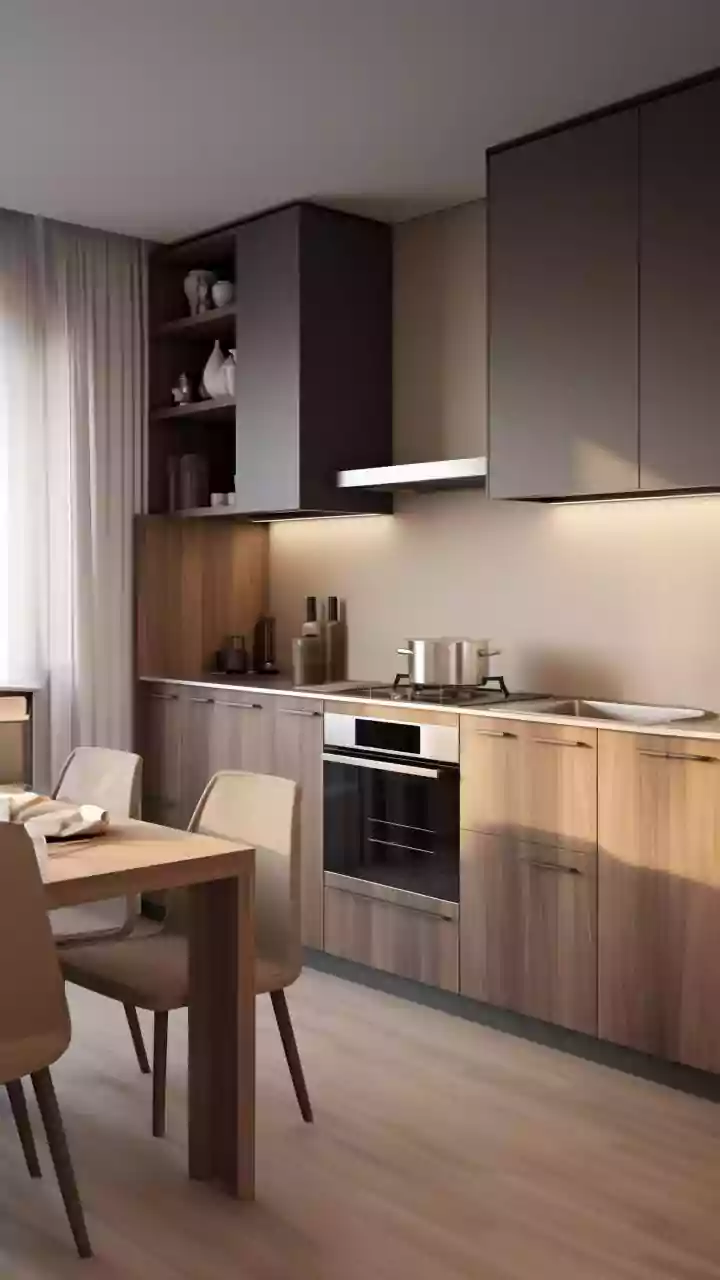
Lighting does more than just illuminate a room; it sets the mood and defines its function. A successful multi-purpose space uses layered lighting to adapt to different activities. You need three main types: ambient, task, and accent lighting. Ambient light, from a central ceiling fixture, provides general illumination. Task lighting is more focused and is crucial for specific activities. Think of a bright lamp on a desk for working or a reading light next to an armchair. Accent lighting can be used to highlight architectural features or decor, adding a sense of depth. By using different combinations, you can completely transform the feel of the room. Bright, focused light signals it's time to work, while dim, warm light helps the space transition into a cosy spot for relaxation in the evening.