





A Shift in Travel Seasons
For decades, Indian travel calendars were predictable. Summer was for the hills, and winter was for beaches and desert palaces. The monsoon, with its downpours and logistical challenges, was a time to stay home. That perception is changing, and fast.
Travel industry experts report a significant surge in monsoon travel, particularly among Gen Z and Millennial travellers. This younger demographic is rewriting the rules, demonstrating that a good vacation isn't about escaping the rain, but learning to dance in it. The monsoon is no longer considered the off-season, but an atmospheric and picturesque time to travel.
The Allure of the Off-Season
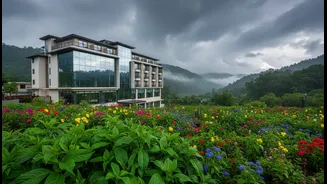
One of the biggest drivers of this trend is economics. Young travellers are finding that their money goes significantly further during the monsoon months. Airlines and hotels, once empty, now offer attractive deals to lure visitors. Accommodation costs can be up to 50% cheaper than during the peak winter season, making luxury stays more accessible. Beyond the budget-friendly prices, there's the appeal of smaller crowds. Popular spots that are usually overrun with tourists become quiet, serene, and more authentic. This allows for a more immersive and personal experience, whether exploring the rain-washed forts of Udaipur or the empty beaches of Goa.
The 'Pluviophile' Aesthetic
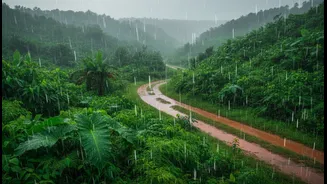
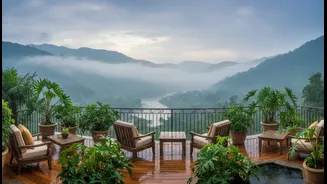
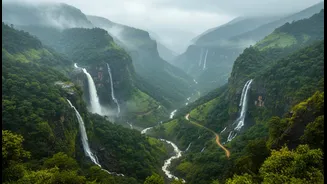
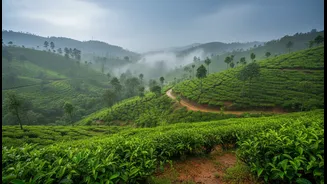
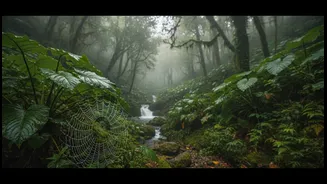
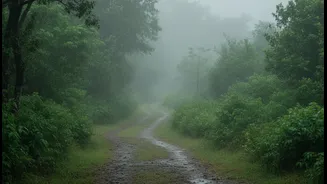
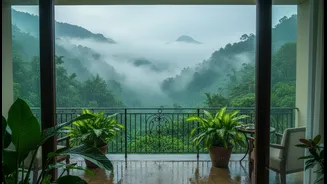
This trend is about more than just saving money. It's also about a new aesthetic, heavily influenced by social media. The 'pluviophile'—a lover of rain—finds beauty in misty hills, overflowing waterfalls, and lush, green landscapes. Destinations are transforming into vibrant, photo-ready backdrops. The hills of Lonavala and Mahabaleshwar come alive with seasonal waterfalls, the tea gardens of Munnar are shrouded in mist, and the backwaters of Kerala become a tranquil paradise. This 'rainscape movement' values moody, atmospheric experiences over generic sunny days, offering a fresh perspective on well-known locations. According to one travel platform, hotel bookings in destinations like Munnar and Mussoorie have seen a nearly tenfold increase during the monsoon.
Hotspots for a Rainy Day
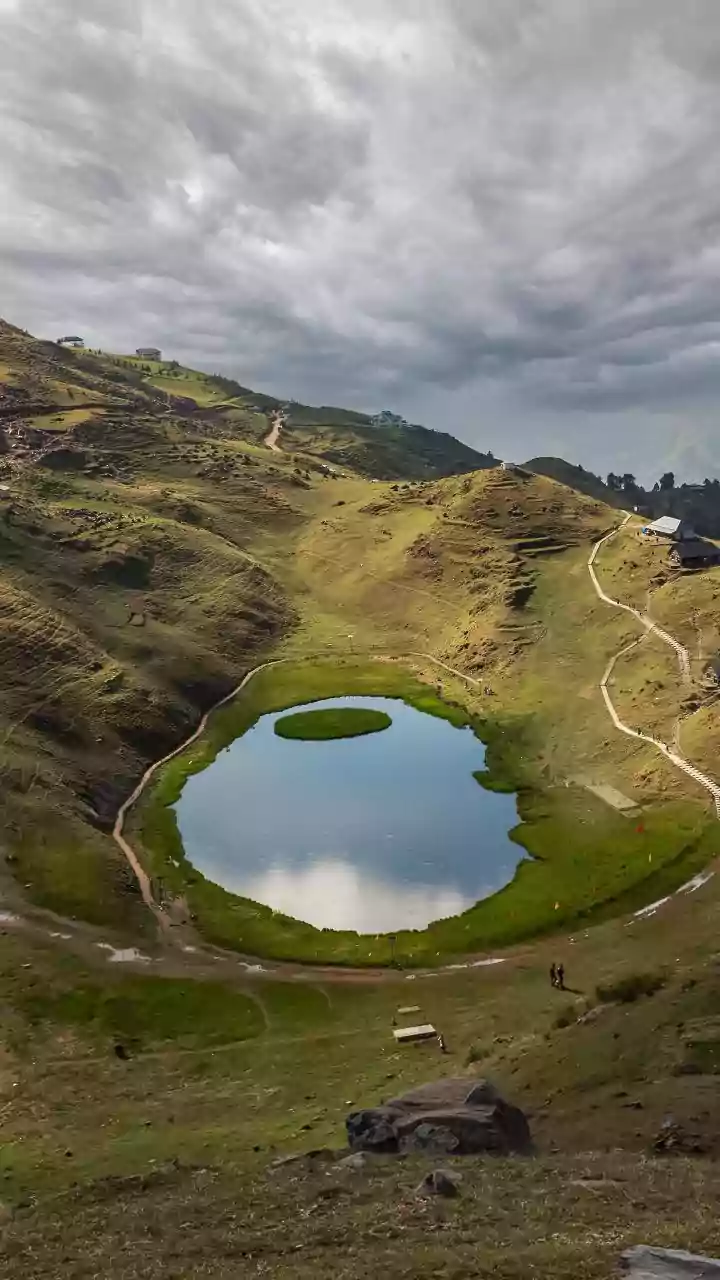
While some travellers are opting for international destinations with better weather, a significant number are exploring India's monsoon magic. The Western Ghats are a major draw, with Coorg in Karnataka, known as the 'Scotland of India', becoming a green paradise of coffee plantations and waterfalls. Lonavala, Munnar, Wayanad, and Mahabaleshwar are also top choices. Even Rajasthan, typically seen as a winter destination, offers a unique charm as lakes in cities like Udaipur fill up and the Aravalli hills turn green. In the north, mountain destinations like Shimla, Tirthan Valley and Gangtok are seeing a huge rise in footfall, as young travellers make spontaneous trips to escape the city heat.
Spontaneity and Flexibility
The rise of remote and hybrid work models has further fueled this trend. Flexible schedules allow for spontaneous, short getaways, often planned just a few days in advance. Many young professionals are taking 'workations' or 'mini-cations', blurring the lines between work and leisure. This commitment-free approach to travel means a weekend trip can easily be extended if the weather is good or a new spot is discovered. It reflects a broader shift in priorities, where unique experiences and personal well-being are valued more than rigid, pre-planned itineraries.